Home water filters range from a $50 pitcher to a whole-house system costing more than $2,000, and the right choice depends less on price than on what is actually in your water and how you live. A renter worried about lead needs something very different from a homeowner on a private well with iron stains.
We compared the filtration brands reviewed on InhouseHeal on certification, contaminant coverage, running costs, installation and customer policies. Below are our picks by category, followed by practical advice on choosing, decoding certifications and keeping a filter working as it should.
- AquaTru — Best overall: reverse osmosis with no installation
- Clearly Filtered — Best pitcher filter
- Waterdrop — Best tankless under-sink RO
- Cloud Water Filters — Best smart RO system
- SpringWell Water — Best whole-house system
- Boroux — Best gravity filter
- LifeStraw — Best budget pick
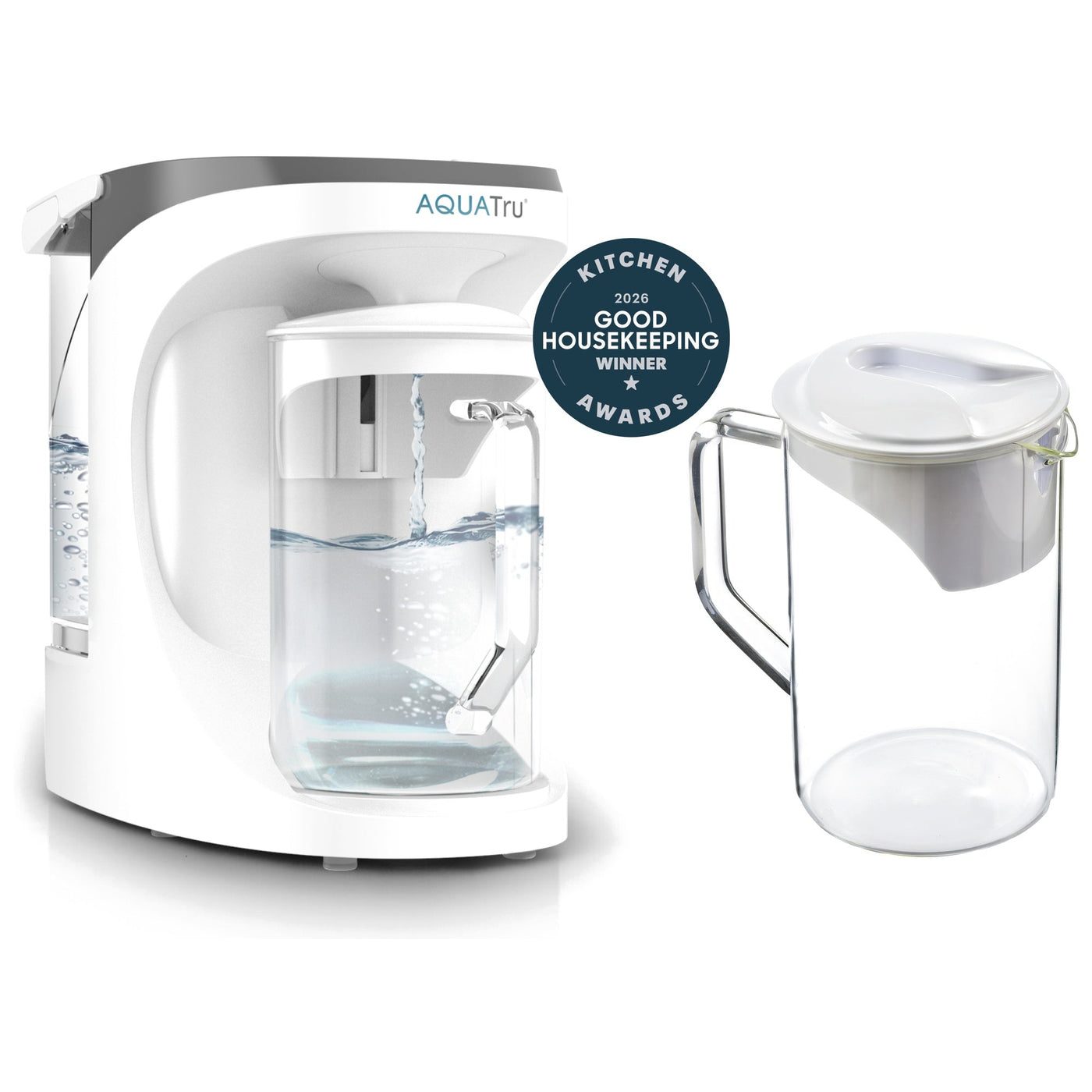
AquaTru
AquaTru puts four-stage reverse osmosis on the countertop, so renters and anyone wary of plumbing can get some of the most thorough drinking water purification available. Its purifiers are independently certified to NSF standards by IAPMO for 84 contaminants, including lead, PFOA/PFOS, arsenic and fluoride. A 30-day money-back guarantee and filters lasting from six months up to two years round out a very strong package.

Clearly Filtered
Clearly Filtered's pitcher is tested against 386+ contaminants and targets fluoride, lead, PFAS and microplastics while leaving healthy minerals in. Filters last up to 100 gallons, about four months, which offsets the higher upfront price compared with supermarket pitchers.
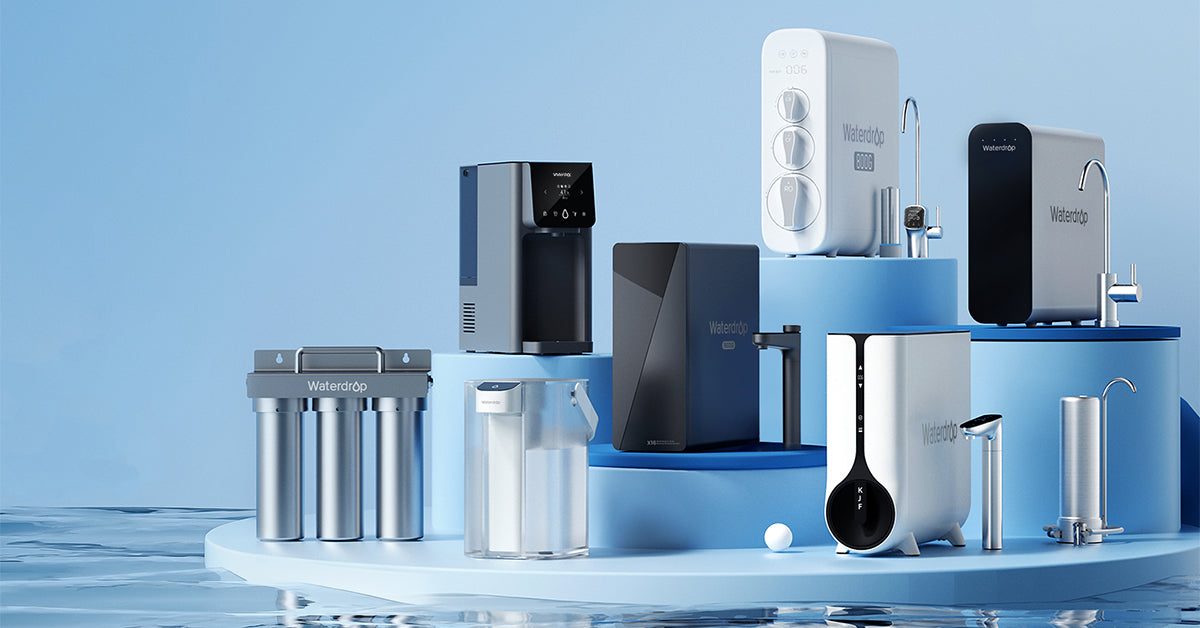
Waterdrop
Waterdrop's G3P800 combines 800 GPD tankless reverse osmosis with UV, a smart faucet that shows TDS and filter life, and NSF/ANSI 42, 53, 58 and 372 certifications. The wider range spans budget alkaline RO units to 1,600 GPD systems, so most households can find the right size.
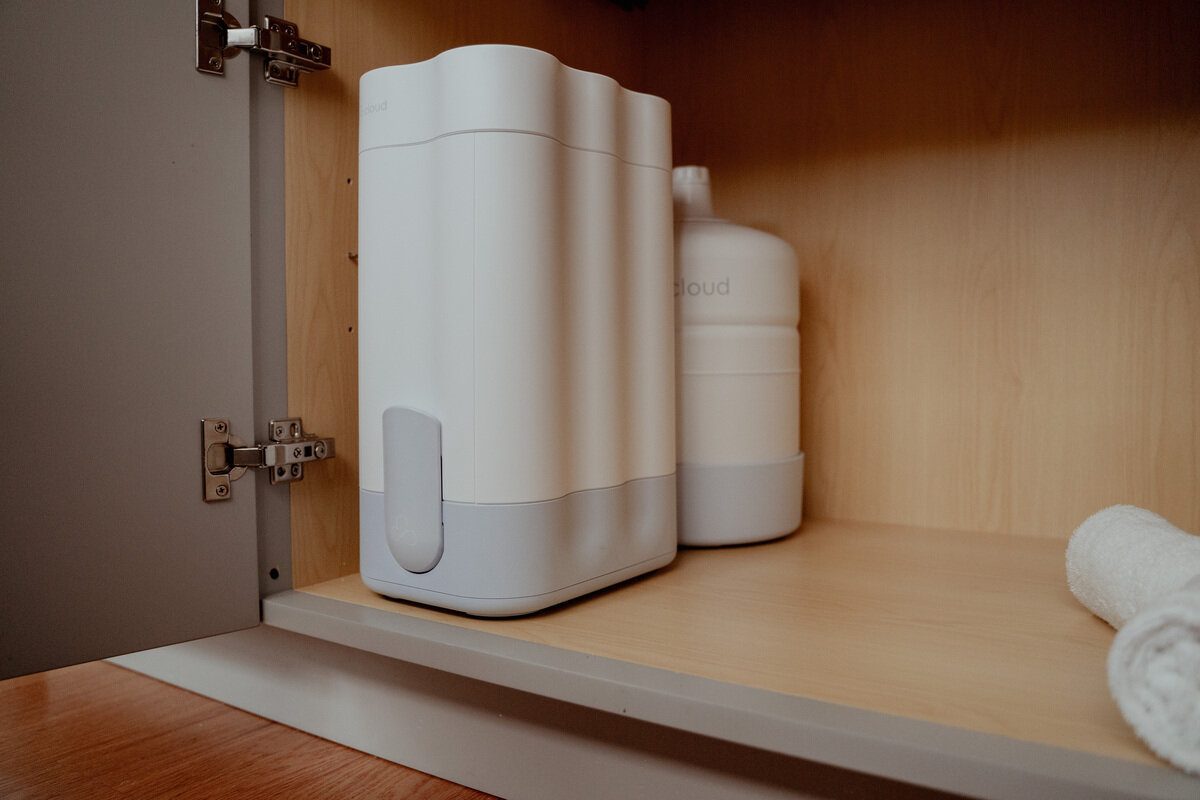
Cloud Water Filters
The Cloud RO places TDS sensors at three points and reports filter health, tank pressure and usage to an app, so you replace filters when the data says so. It is certified to NSF/ANSI 58, remineralizes the water and runs on a battery rather than an outlet.

SpringWell Water
SpringWell's CF1 treats every tap in the house with catalytic carbon and KDF media, rated for 1,000,000 gallons at 9 GPM. Dedicated well water, UV and softener systems cover tougher water, and a lifetime warranty plus a six-month money-back guarantee are among the best terms in the category.
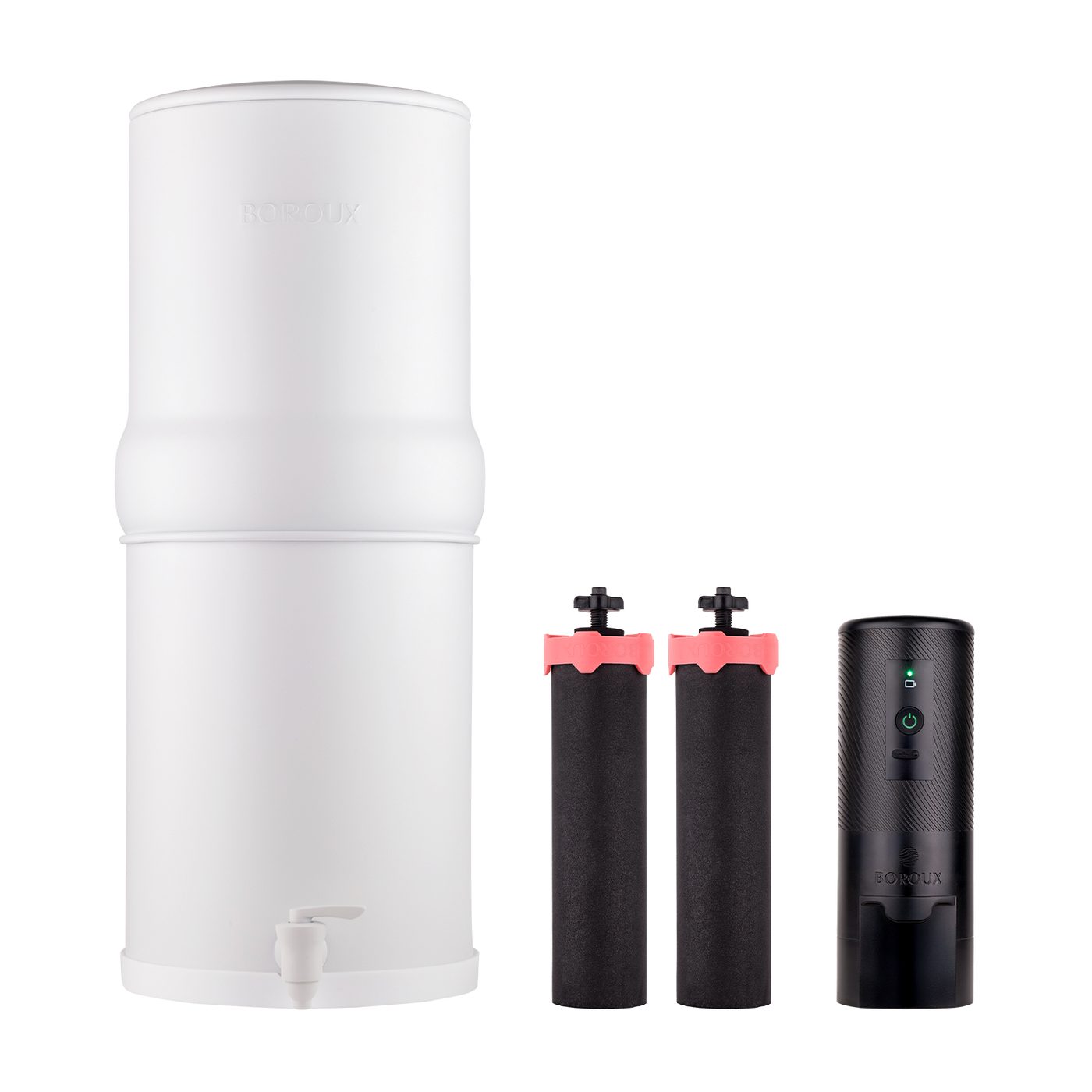
Boroux
Boroux's stainless steel Legacy systems need no power or plumbing and carry NSF/ANSI 42, 372 and 401 certifications. An automatic priming pump removes the most frustrating part of gravity filtration, and filters last about a year.
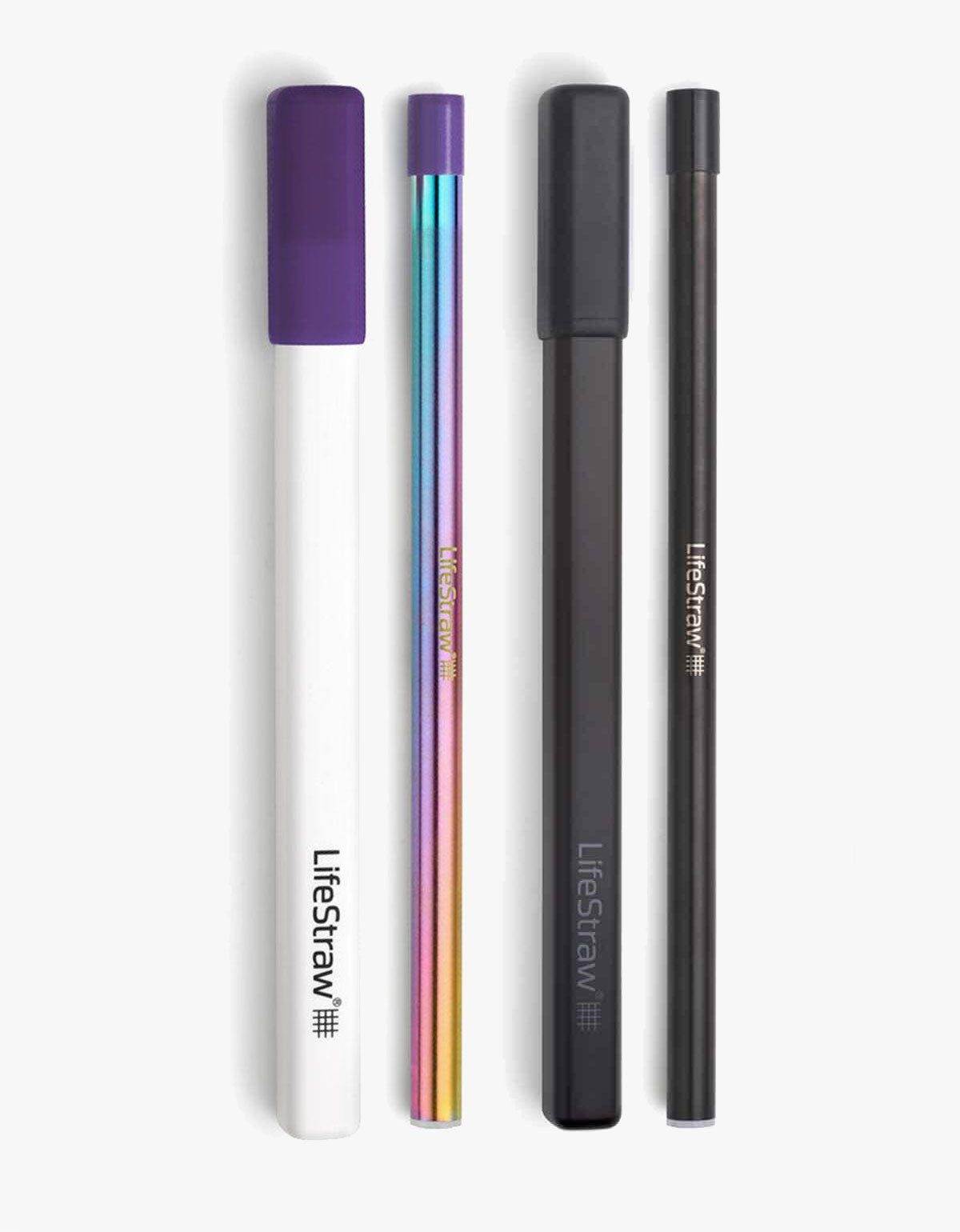
LifeStraw
LifeStraw Home pitchers cost around $45 to $65 and target bacteria, parasites, lead, microplastics and PFAS, with $16.95 replacement filters. Every purchase also funds a year of safe water for a school child.
Start with what is in your water
Before choosing a filter, find out what you are filtering for. If you are on municipal water, your utility publishes an annual water quality report, often called a Consumer Confidence Report, that lists detected contaminants. If you have a private well, nobody is testing it but you, so use a certified lab at least once a year for bacteria and nitrates.
Home test strips and TDS meters are a cheap way to screen for hardness, chlorine, pH and some metals, and to check later whether a filter is working. For lead, remember that it usually comes from household plumbing rather than the utility, so older homes should test at the tap.
The main filter types, explained
- Pitchers and dispensers: cheapest and easiest. Basic carbon improves taste and reduces chlorine; advanced pitchers target lead, fluoride and PFAS. Slow, and they need frequent refills.
- Gravity countertop systems: larger capacity, long filter life, no power. Good for families and emergency preparedness.
- Countertop reverse osmosis: very thorough purification with no plumbing, but uses counter space and an outlet.
- Under-sink reverse osmosis: purified water on tap from a dedicated faucet. Tankless designs save space; tank systems are often cheaper.
- Whole-house systems: treat every tap, including showers and appliances, and address chlorine, sediment, hardness or well water problems. Usually not designed to match RO for drinking water.
Many households combine approaches, such as a whole-house filter for chlorine and scale plus reverse osmosis or a high-performance pitcher for drinking water.
How to read filter certifications
Independent certification is the best shortcut for judging filter claims. The most common NSF/ANSI standards are:
- NSF/ANSI 42: aesthetic effects such as chlorine taste and odor.
- NSF/ANSI 53: health-related contaminants such as lead and certain chemicals.
- NSF/ANSI 58: reverse osmosis system performance.
- NSF/ANSI 401: emerging contaminants, including some pharmaceuticals and microplastics.
- NSF/ANSI 473: PFOA and PFOS.
- NSF/ANSI 372: lead-free materials, which says nothing about what the filter removes.
Certifications can come from NSF itself or other accredited bodies such as IAPMO or the Water Quality Association. Always check which specific contaminants a product is certified for, not just that it is certified.
Running costs, minerals and waste water
The sticker price is only part of the cost. Compare filter life and replacement prices over a year: a $99 pitcher with 100-gallon filters can be cheaper to run than a $40 pitcher with short-lived cartridges. Reverse osmosis systems typically need several filters replaced at different intervals, and whole-house media can last for years.
Reverse osmosis also removes beneficial minerals and sends some water to drain. Modern tankless and well-designed tank systems are much more efficient than older models, and remineralization stages or mineral drops can restore taste. If you prefer to keep minerals, a high-performance carbon or gravity filter may be the better fit.
Keeping your filter working
An expired filter can perform worse than no filter at all, as trapped contaminants and bacteria build up. Set reminders or subscribe to filter deliveries, follow priming and flushing instructions on new cartridges, and clean reservoirs regularly. Retest your water after installation and periodically afterward. If your water source changes, such as a new well, a utility notice or plumbing work, revisit whether your filter still matches the problem.
FAQs
What is the best type of water filter for home use?
It depends on your water and home. Reverse osmosis offers the broadest contaminant reduction for drinking water, advanced pitchers are the easiest no-install upgrade, and whole-house systems suit homeowners who want every tap treated.
Do I need reverse osmosis?
Not always. If your water report shows mainly chlorine and sediment, a certified carbon filter may be enough. RO is worth considering for concerns such as nitrates, arsenic, fluoride or high dissolved solids.
Which filters remove PFAS?
Look for products certified to NSF/ANSI 473 or 53 for PFOA and PFOS, or reverse osmosis systems certified to NSF/ANSI 58 with PFAS on their performance data sheet.
How often should I change my water filter?
Follow the manufacturer's rating in gallons or months. Pitcher filters often last two to four months, RO prefilters six to twelve months, and whole-house media can last years.
Should I test my water before buying a filter?
Yes. A utility water quality report, a home test kit or a certified lab test tells you which contaminants to target, so you do not overspend or buy a filter that misses your main concern.
Disclosure: InhouseHeal may earn a commission if you buy through links in this guide. Picks are based on our research of each brand's products, evidence, pricing and policies.