LifeStraw makes some of the most trusted portable water filters available, with hollow fiber membranes that remove bacteria, parasites and microplastics without power or chemicals. Its Home pitchers add lead and PFAS reduction at mainstream prices, and every purchase funds a year of safe water for a school child.
What we like
- Original personal filter uses 0.2-micron hollow fiber and is rated for up to 4,000 liters
- Removes 99.999% of bacteria and parasites without batteries, chemicals or power
- Affordable entry points, from a $19.95 filter straw to Home pitchers around $45 to $65
- Home range targets lead, microplastics and PFAS in tap water
- Each product purchased provides a school child with safe water for a year
Keep in mind
- Basic personal filters do not remove viruses, chemicals or heavy metals
- Straw-style drinking takes some getting used to
- Free shipping only applies over $75 within the lower 48 states
- Product range is broad, so the right filter for each use is not always obvious
LifeStraw began as a humanitarian tool: a simple straw-shaped filter that let people in regions without safe water drink directly from a stream or well. It is now a familiar name in outdoor shops and kitchens, with a range that runs from ultralight filter straws to glass pitchers for the fridge.
We looked at what each part of the range is designed to remove, how long filters last, current pricing and the brand's long-running give-back program. LifeStraw is a dependable choice for adventures and emergencies, and a sensible budget option for everyday tap water, as long as you match the product to the job.
From aid tool to everyday brand
LifeStraw filters are designed by Vestergaard, a Swiss-based company with roots in public health products. The original straw won design and invention honors in 2005 and became a staple of disaster relief and development programs before reaching consumer shelves. The LifeStraw Home pitcher followed in 2019 and picked up international design awards.
The give-back model is part of the identity. LifeStraw says that for every product purchased, a school child receives safe drinking water for a year. As of 2018, the program had reached more than one million school children in rural Kenya, according to public reporting.
How LifeStraw filters work
Most LifeStraw products rely on hollow fiber membranes, bundles of tiny tubes with pores about 0.2 microns wide. Water passes through the walls of these fibers while bacteria, parasites, dirt and microplastics are physically blocked. There are no chemicals, batteries or moving parts.
What each product removes depends on its filter design:
- Personal straws and Peak Series filters: remove at least 99.999% of bacteria and protozoan parasites such as Giardia and Cryptosporidium, plus microplastics. Basic models are not designed to remove viruses, chemicals, salt or heavy metals.
- Go bottles and Home products: add activated carbon and, on some models, ion exchange, to reduce chlorine, chemicals and heavy metals including lead. The Home pitcher is described as reducing bacteria, parasites, lead, microplastics and PFAS.
- High-volume gravity purifiers: use ultrafiltration with smaller pores and are designed to also remove viruses, which matters for family or community use in places with unreliable water.
The original Personal filter is rated for up to 4,000 liters, roughly 1,000 gallons, which the brand has framed as about three years of drinking water for one person.
See LifeStraw's current range
The range and what it costs
Travel and outdoor
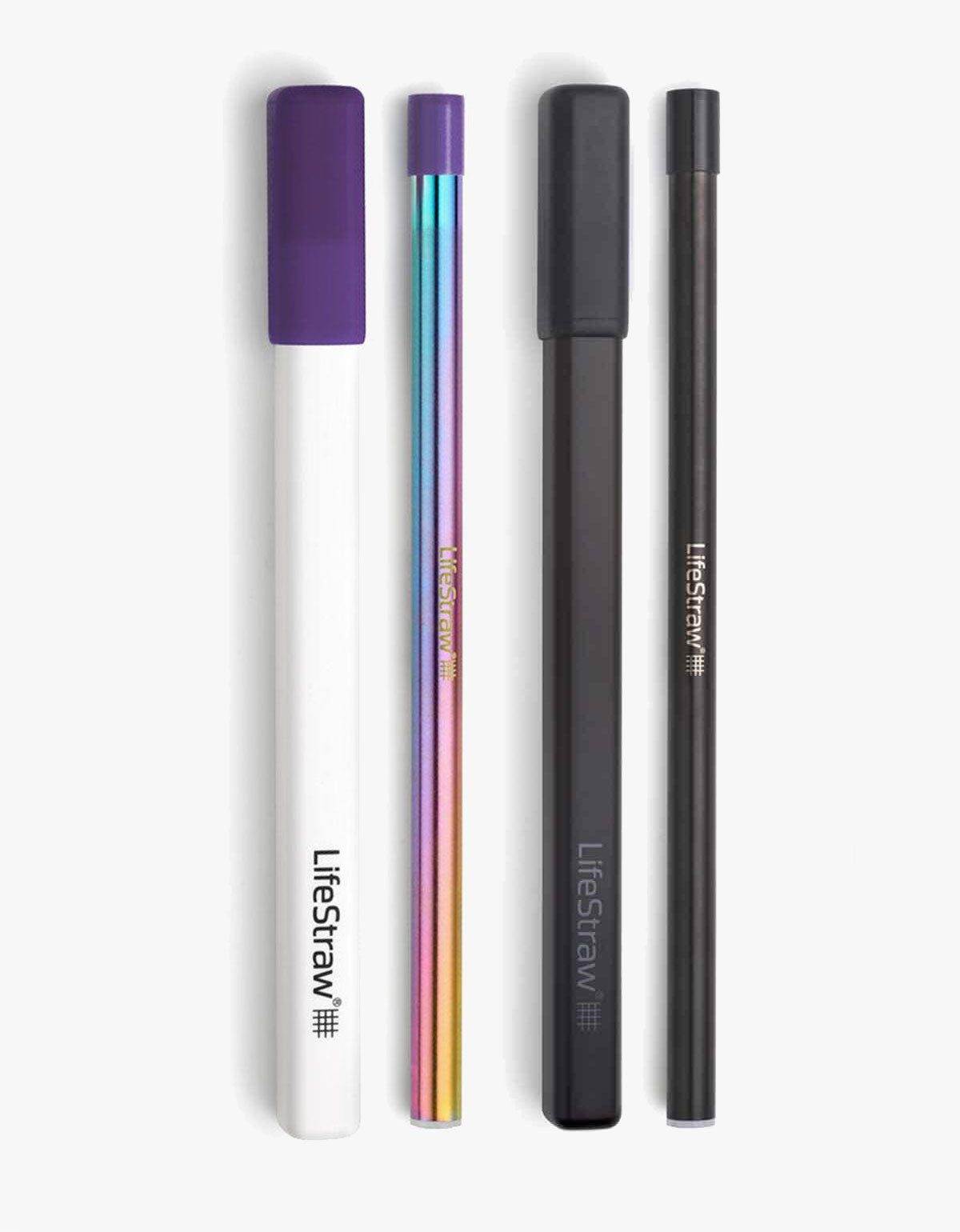
- LifeStraw Sip filter straw: $19.95
- Reusable steel filter straw with case: $34.95, or $89.95 for a 3-pack
- Peak Solo filter with case: about $39.95
- 4-pack bundle: $79.80 list, frequently discounted
Home
- Home 7-cup BPA-free plastic pitcher: $44.95
- Home 10-cup BPA-free plastic pitcher: $49.95
- Home 7-cup glass pitcher: $64.95
- Home 18-cup dispenser: $64.95
- Home replacement filter, compatible with all Home products: $16.95
LifeStraw also sells filtered tumblers and glass bottles. Sales are common, and during our research several Home pitchers were marked down by about 20%.
Which LifeStraw should you buy?
- Day hikes and travel: a Sip or Peak Solo straw is light and inexpensive. Pair it with a collapsible bottle for scooping water.
- Backpacking: the Peak Series is built for heavier use and squeeze or gravity setups.
- Emergency kits: a few personal filters in a go-bag are cheap insurance. Remember they do not remove viruses or chemicals, so in a disaster setting combine them with boiling or a purifier when advised.
- Everyday tap water: a Home pitcher or dispenser, with the glass version for those who prefer to avoid plastic.
Getting the most from a portable filter
Personal filters are simple, but a few habits make a real difference to how well they work and how long they last.
- Choose the clearest source you can. Moving water away from animal activity is better than stagnant pools, and letting silty water settle first reduces clogging.
- Prime and flush. Before first use, and after storage, draw or push water through the filter to wet the membrane fully.
- Blow back after drinking. Many straw-style filters are cleared by blowing air back through them, which pushes debris off the membrane and keeps flow steady.
- Protect it from freezing. Frozen water can damage hollow fibers without any visible sign, so keep the filter in a jacket pocket or sleeping bag on cold nights.
- Know when to replace it. A hollow fiber filter usually tells you it is done when water no longer passes through. Carbon stages in bottles and pitchers, on the other hand, wear out silently, so track them by time or volume.
For travel, a filter bottle is often more convenient than a straw because you can fill it from a hotel tap and drink normally.
Shipping and policies
Shipping is free on orders over $75 to the lower 48 US states. Return and warranty terms are listed in the brand's policies, so check them for the item you are buying, especially for multi-packs. Replacement filters for the Home range are reasonably priced, which keeps long-term costs low compared with premium pitcher brands.
Our verdict
LifeStraw remains the benchmark for simple, reliable personal water filters, and its Home range brings meaningful contaminant reduction to everyday kitchens at a fair price. The key is understanding the limits of each product: a basic straw makes stream water safer from bacteria and parasites, but it is not a chemical or virus filter. Choose with that in mind and LifeStraw offers excellent value, plus a give-back program with a genuine track record.
LifeStraw products at a glance
| Product | What it is | Price |
|---|---|---|
| LifeStraw Personal / Sip | Lightweight filter straw that removes bacteria, parasites and microplastics. | from $19.95 |
| Peak Solo | Rugged personal filter for hiking and backpacking, with carry case. | about $39.95 |
| Home 10-Cup Pitcher | BPA-free pitcher targeting bacteria, parasites, lead, microplastics and PFAS. | $49.95 |
| Home 7-Cup Glass Pitcher | Glass version of the Home pitcher for plastic-free storage. | $64.95 |
| Home Replacement Filter | Filter compatible with all LifeStraw Home products. | $16.95 |
Prices as listed on the brand's site at the time of our research and may change. Check the store for current pricing.
LifeStraw FAQs
Is LifeStraw legit?
Yes. LifeStraw filters are designed by Vestergaard, a Swiss-based company, and have been used in humanitarian programs for years before becoming widely available to consumers.
Does LifeStraw remove viruses?
The basic personal filters are not designed to remove viruses. LifeStraw's high-volume gravity purifiers use ultrafiltration designed to remove viruses as well.
How long does a LifeStraw filter last?
The original Personal filter is rated for up to 4,000 liters, or about 1,000 gallons. Home pitcher filters have shorter, product-specific lifespans.
Does the LifeStraw Home pitcher remove lead?
Yes. LifeStraw says the Home pitcher reduces lead, along with bacteria, parasites, microplastics and PFAS.
What is LifeStraw's give-back program?
For every product purchased, LifeStraw says a school child receives safe drinking water for a year.
Hikers, travelers and emergency planners, plus households wanting an affordable pitcher
Disclosure: InhouseHeal may earn a commission if you buy through links on this page. Our score is based on research of the brand's products, evidence, pricing and policies. How we review.