Recovery used to mean a foam roller in the corner of the gym. Today the options run from pocket-size rollers and vibrating balls to percussion guns, heated shiatsu cushions, cordless cupping devices and apps that send a massage therapist to your door. That variety is useful, but it also makes it easy to buy the wrong thing.
We compared brands on what they actually offer, how transparent they are about specs and policies, and how well each fits a specific need, whether that is tight hips from sitting, sore legs after training or simply winding down in the evening. Here are our picks, followed by advice on choosing, using and combining tools safely.
- RAD Roller — Best budget self-massage tools
- HoMedics — Best for easy, everyday home massage
- Bang Massage Gun — Best value massage gun (Canada)
- Aletha Health — Best for tight hip flexors
- Pranamat ECO — Best acupressure mat
- Revomadic — Best for trying cupping at home
- Soothe — Best professional massage at home

RAD Roller
RAD Roller's compact, shaped tools reach places a foam roller cannot, such as the muscles either side of the spine, the arches of the feet and the forearms. Single tools cost roughly $18 to $35, orders over $40 ship free in the contiguous US, and everything carries a lifetime guarantee against manufacturer defects. Start with the original Roller.
HoMedics
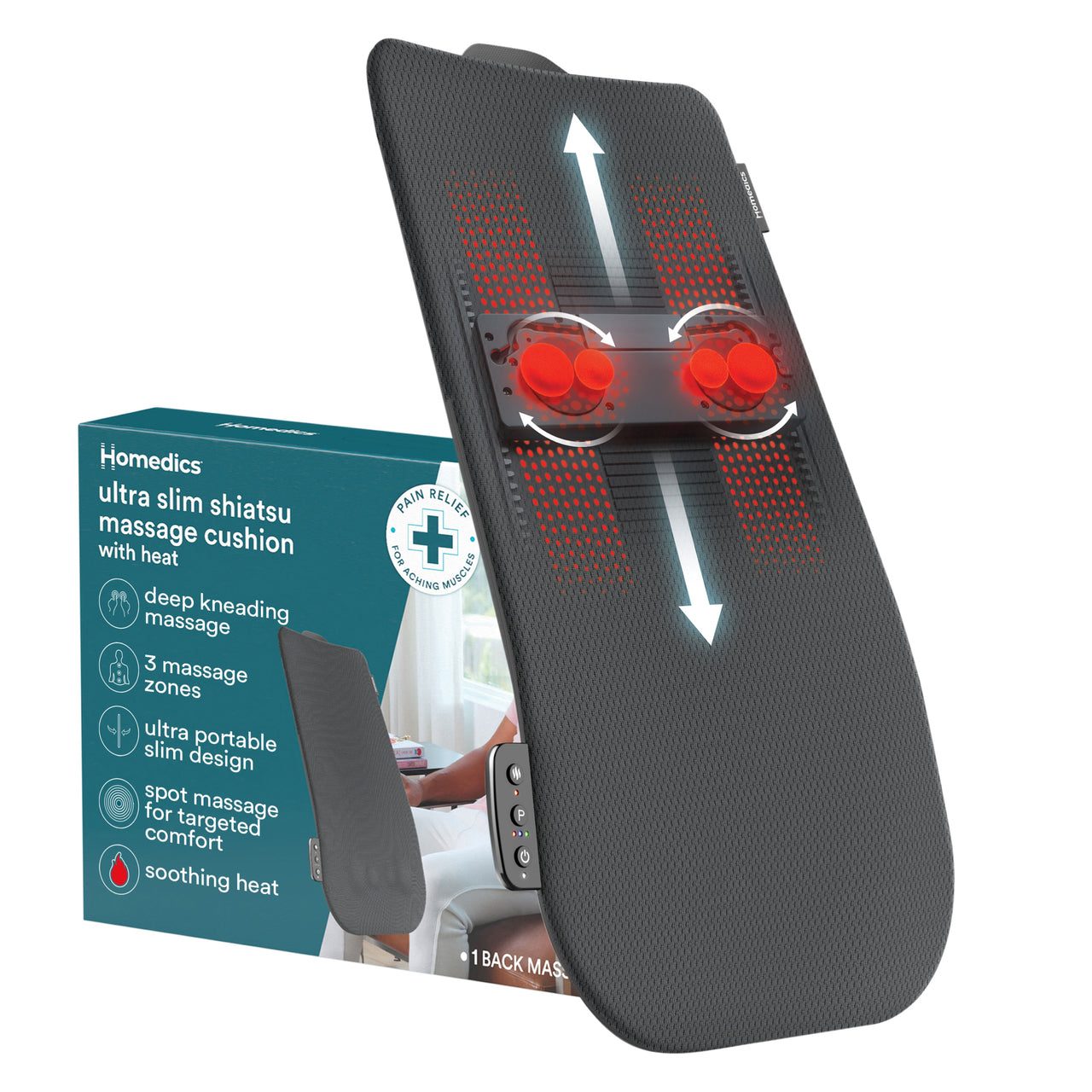
HoMedics has been making home massagers since 1987, and its heated shiatsu cushions, neck wraps and foot massagers remain the simplest way to get passive relief at the end of the day. Most devices sit between about $80 and $130, and orders over $99 ship free. Ideal if you want to sit back rather than work on yourself.
Bang Massage Gun
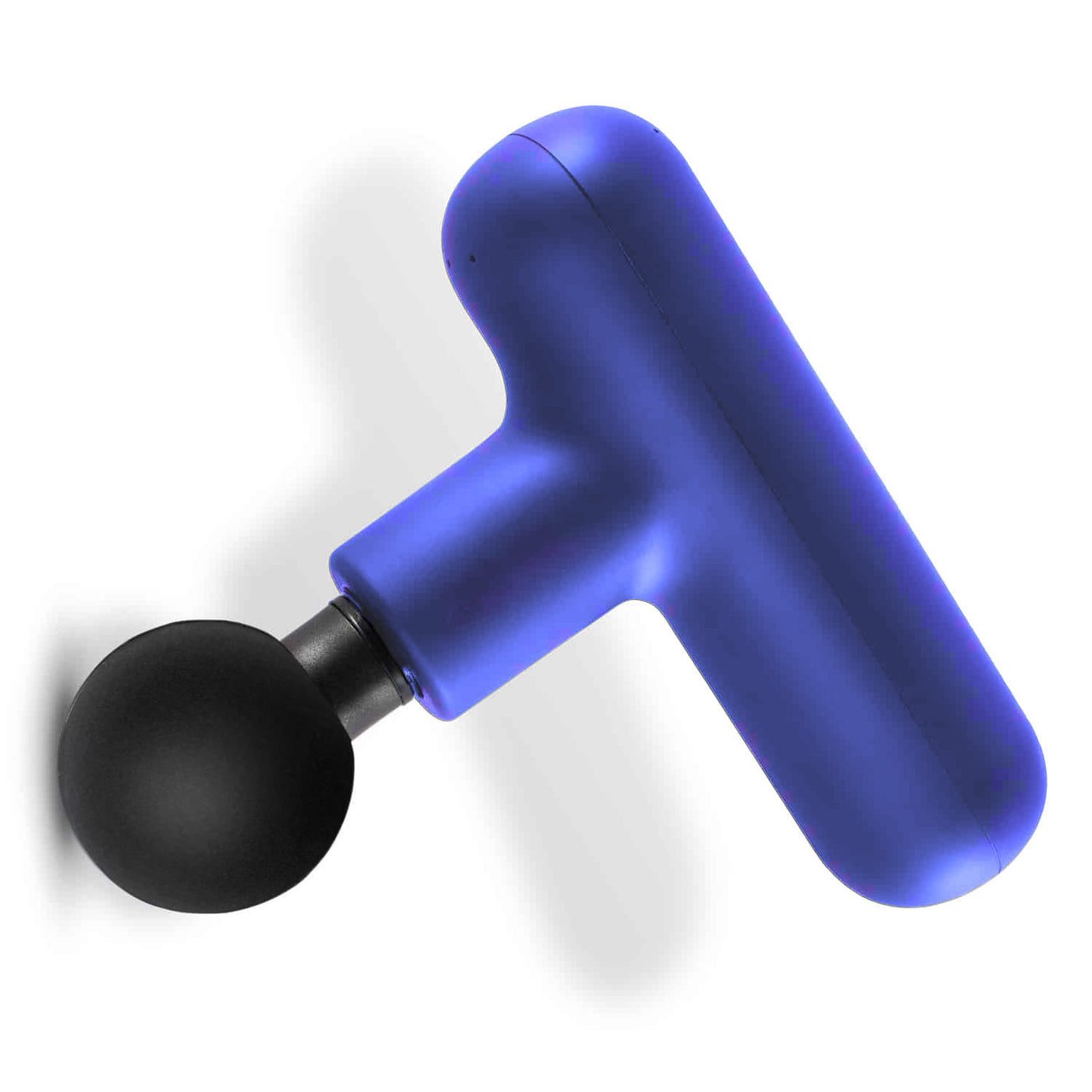
BANG's percussion guns undercut premium brands while offering serious specs: the PRO model lists 14 mm amplitude, 60 lb stall force and up to 8 hours of battery. The compact Mini is a good everyday choice. Shipping is free across Canada from Ontario, and a 100-day money-back guarantee makes it low risk to try.
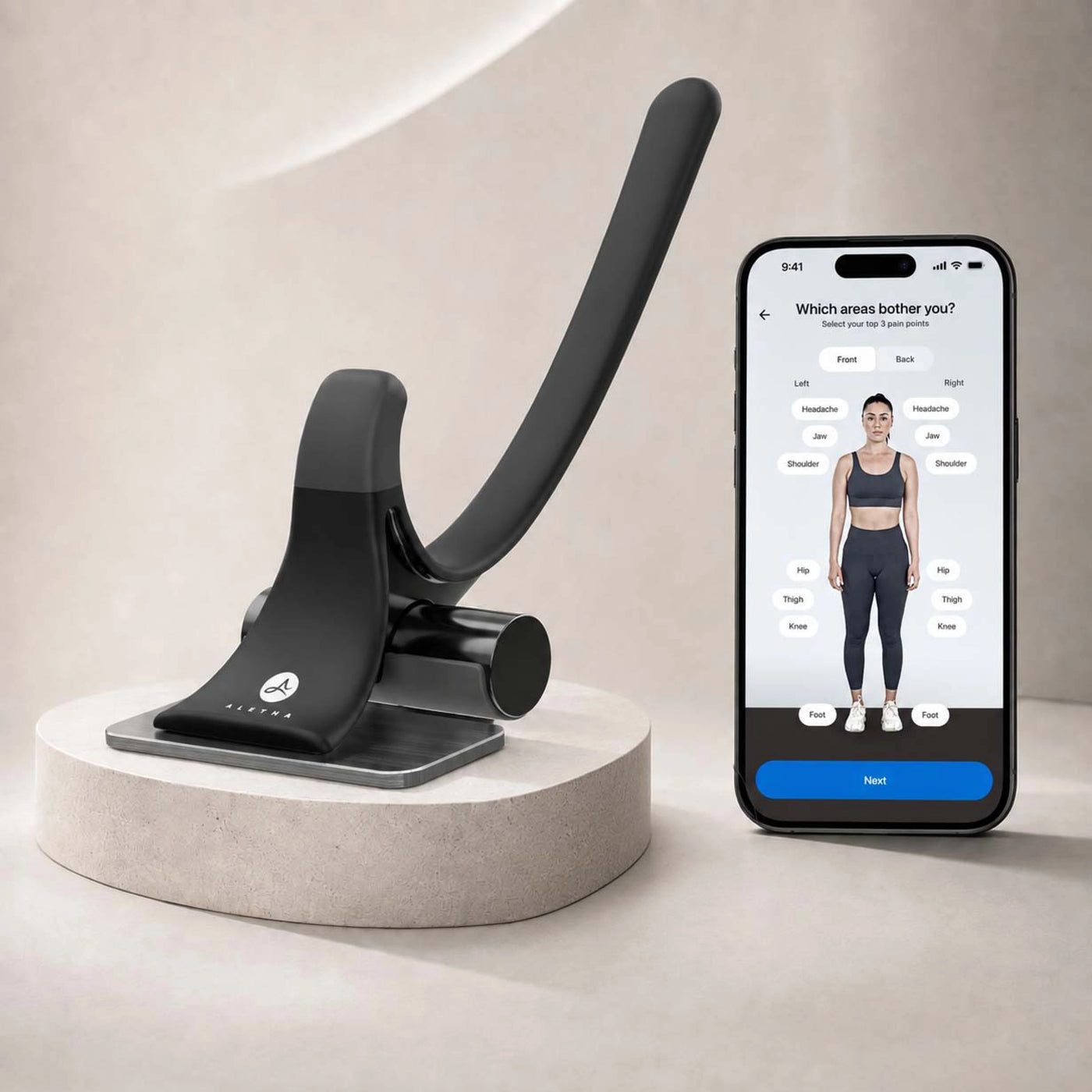
Aletha Health
Designed by physical therapist Christine Koth, Aletha's Hip Hook is one of the few tools built to reach the iliacus and psoas, deep hip flexors that tighten with sitting. It is pricier than generic tools, from about $149, but is HSA/FSA eligible, made in the USA and backed by 60-day returns. The Full Body System adds glute, neck and strengthening tools.
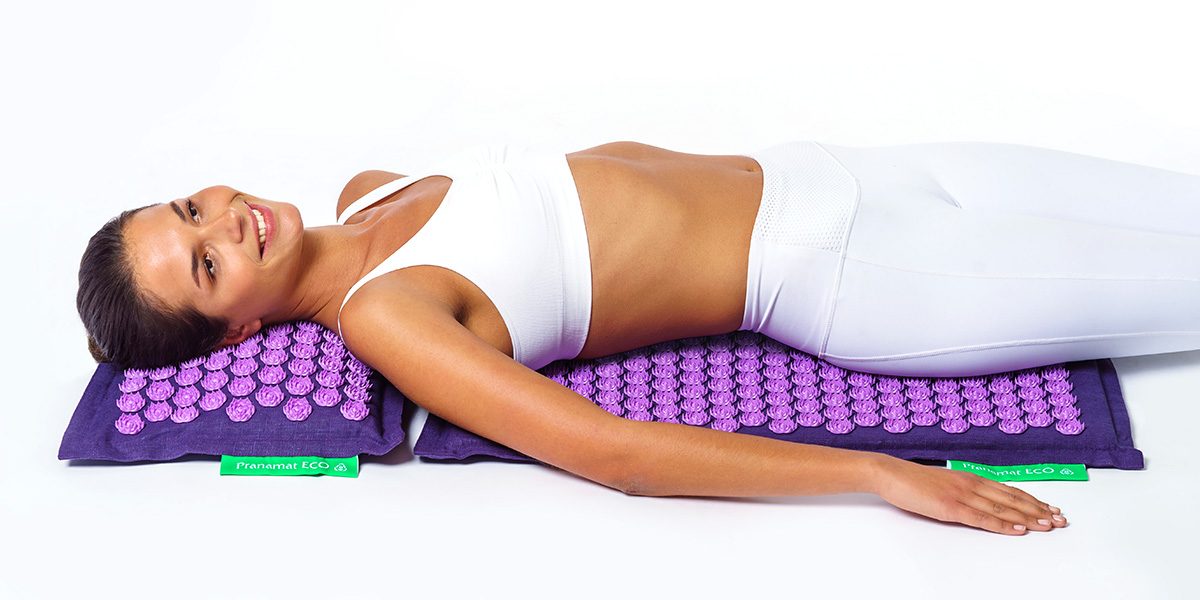
Pranamat ECO
Pranamat ECO uses a linen cover, coconut-fiber core and heat-pressed lotus points, carries OEKO-TEX certification and comes with a 30-day trial and 5-year warranty. Sets start at about $289, far more than budget mats, but the materials and durability justify the premium for daily users.
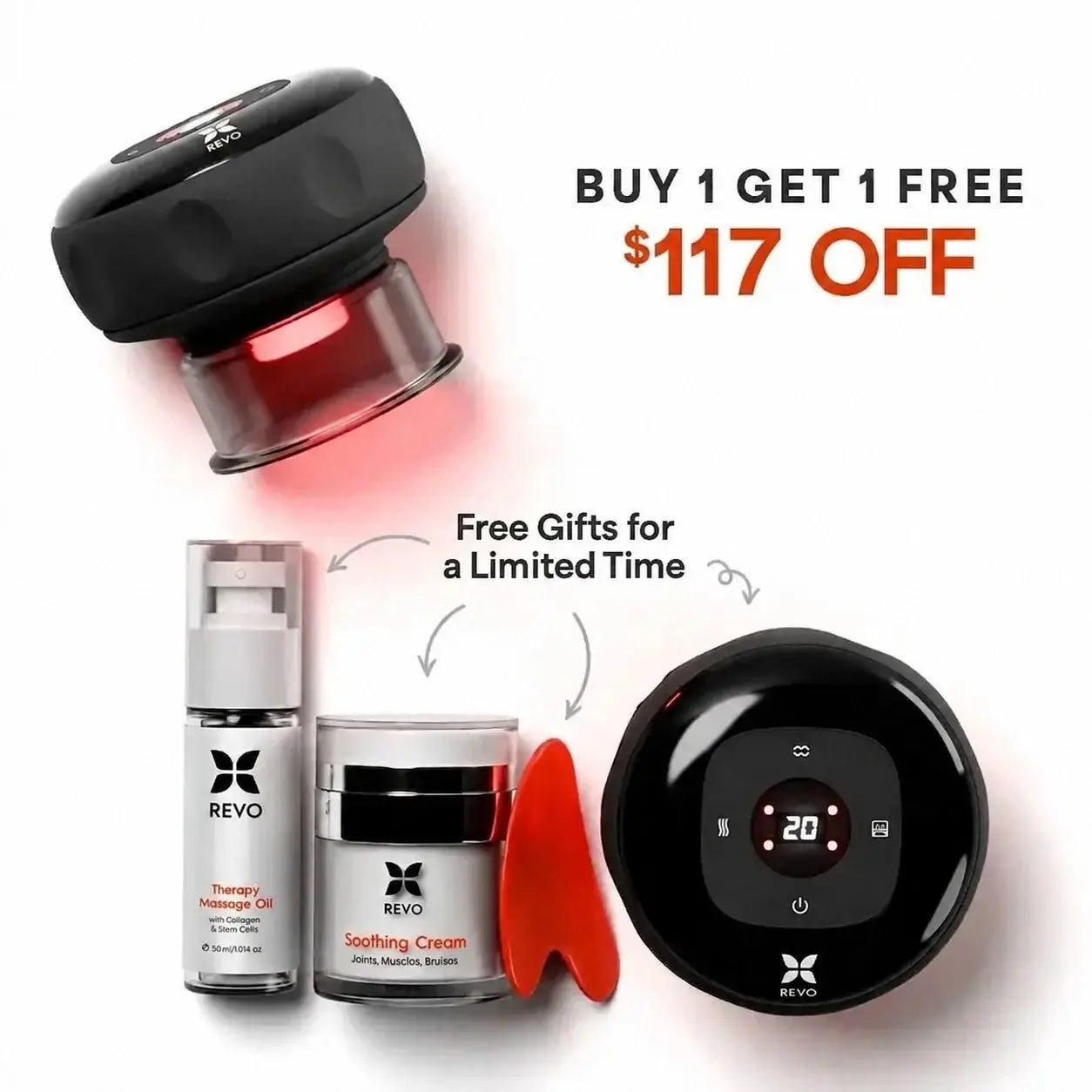
Revomadic
The REVO Smart Cupping Massager combines motorized suction, vibration and heat up to 122°F in a cordless device, removing the flames and fiddly pumps of traditional cupping. Stock can be patchy and warranty wording is inconsistent, but free shipping and a 30-day money-back guarantee make it a reasonable experiment.
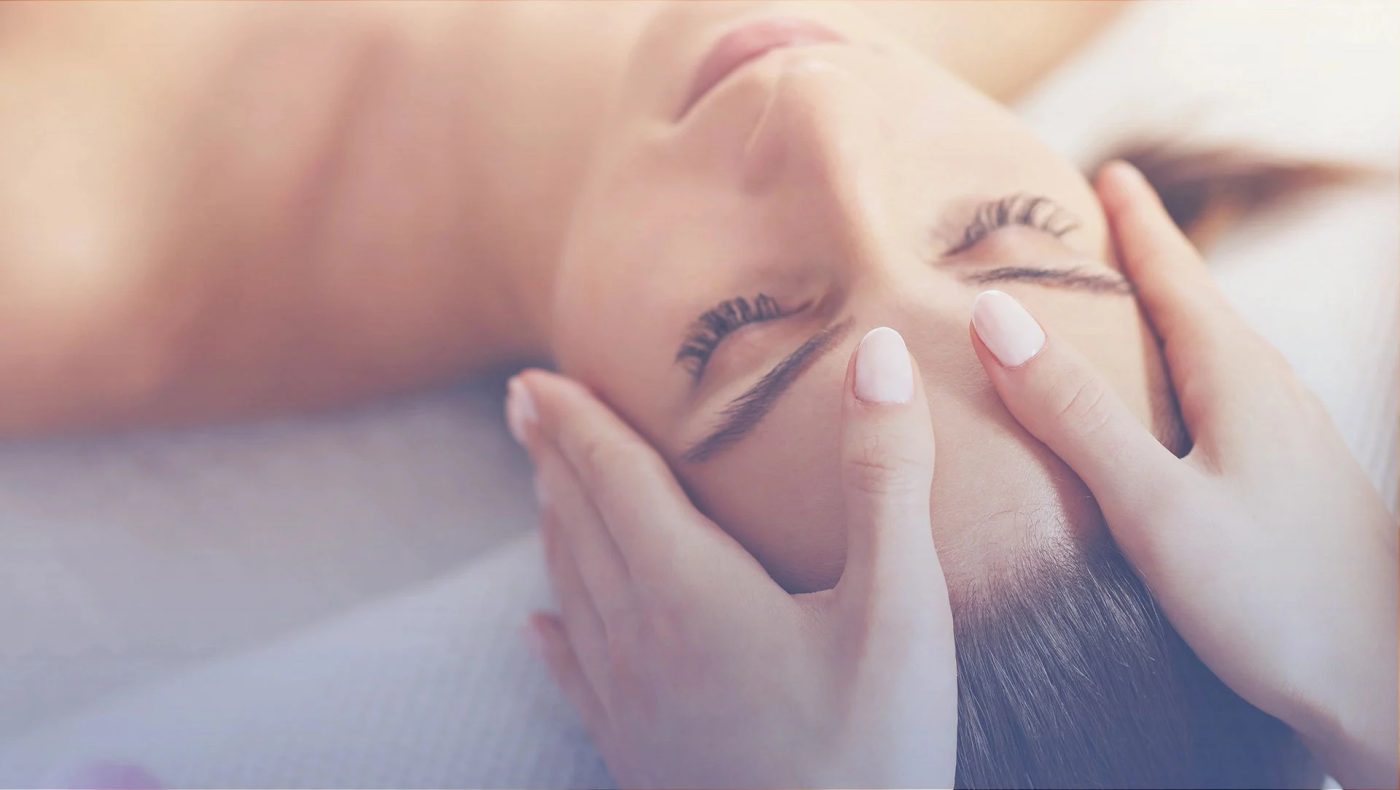
Soothe
When tools are not enough, Soothe sends a licensed, insured massage therapist to your home, hotel or office, complete with table and linens, often with as little as an hour's notice. Swedish massage starts from about $65 in some cities. Watch the late-cancellation fees, which reach $99 inside the final 30 minutes.
How to choose the right recovery tool
Start with three questions: where it hurts, how much effort you want to put in, and how much pressure you like.
- Small or awkward areas such as the spine, feet, forearms and neck respond best to shaped tools like rollers, balls and hooks, which let you hold pressure exactly where it is needed.
- Large muscles such as the quads, hamstrings and glutes are where massage guns and foam rollers shine, covering ground quickly with deep pressure.
- Passive relaxation, sitting back at the end of the day, is what shiatsu cushions, neck wraps, foot massagers and acupressure mats do best.
- Deep, stubborn tension in areas such as the hip flexors may need a specialist tool or a professional therapist.
Pressure preference matters too. If you like firm work, look at stall force and amplitude on a massage gun, or high-density tools. If you are sensitive, choose heat, gentle kneading or a softer surface and build up gradually.
Massage guns, rollers, cushions and mats compared
- Massage guns deliver rapid percussive pulses. They are fast and powerful for big muscles after training, but noisy, need charging and are not for bony areas or the neck's front. Expect to pay from under $100 for a capable budget model.
- Rollers and shaped tools are silent, cheap and portable. They require you to do the work, but they offer the most precise control.
- Shiatsu cushions and wraps mimic kneading with rotating nodes and often add heat. They are effortless and pleasant, though gentler than a therapist.
- Acupressure mats spread hundreds of small pressure points across the back for a broad, warming sensation many people find relaxing before bed.
- Cupping devices lift tissue rather than pressing it. Some people love the sensation; expect temporary round marks.
None of these is clearly superior. Many people end up with one passive device for relaxation and one active tool for targeted work.
Building a simple recovery routine
Consistency beats intensity. A short daily routine usually does more than an occasional hour-long session.
- After workouts: one to two minutes per major muscle with a massage gun or roller, keeping the tool moving.
- During the workday: a lumbar or seat cushion for support, plus a quick session with a small roller on the upper back or feet at lunch.
- In the evening: 10 to 20 minutes on a shiatsu cushion or acupressure mat to wind down.
- Weekly or monthly: a professional massage for areas you cannot reach well yourself.
Pair any tool with movement. Gentle stretching, walking and strength work for the hips and upper back address the causes of tightness, while massage tools mainly ease the symptoms. Self-massage should feel like productive discomfort, never sharp pain; if a spot is getting worse rather than better after a week or two, stop and get it checked.
What to spend
You do not need to spend much to start. A shaped roller or massage ball costs around $20 to $35 and covers most of the body. A capable massage gun or heated shiatsu cushion typically runs from about $80 to $170. Specialist tools such as a hip flexor release hook, premium acupressure mats and multi-function devices sit higher, from roughly $150 to $450 for full sets.
Before paying more, check the policies: a long trial or money-back window, free returns and a clear warranty matter as much as specs, because the only way to know whether a tool suits your body is to use it for a few weeks. Brands with 30- to 100-day guarantees take most of the risk out of experimenting.
When to skip self-massage
Massage tools are safe for most healthy adults, but some situations call for caution or a doctor's advice first: pregnancy, blood thinners or a bleeding disorder, a history of blood clots, varicose veins, osteoporosis, diabetes with reduced sensation, recent surgery, and implanted electronic devices such as pacemakers when using vibrating or electrical tools. Never use pressure, heat or suction on broken skin, bruises, swelling or a fresh injury. See a clinician for pain that is severe, follows a fall or accident, or comes with numbness, tingling or weakness.
FAQs
What is the best recovery tool for beginners?
A small shaped roller or massage ball is the cheapest and most versatile starting point. If you would rather relax passively, a heated shiatsu cushion is the easiest option.
Is a massage gun better than a foam roller?
Not necessarily. Massage guns are faster and deeper for large muscles, while rollers and shaped tools are cheaper, quieter and better for precise work. Many people use both.
How long should I use a massage tool?
About one to two minutes per muscle group with a massage gun or roller, and 10 to 20 minutes for passive devices like shiatsu cushions or acupressure mats, is plenty for most people.
Do acupressure mats and cupping devices really work?
Many users find them relaxing and say they ease muscle tension, but the clinical evidence is limited. Treat them as comfort and relaxation tools rather than medical treatments.
When should I see a professional instead?
If pain is severe, persistent or getting worse, follows an injury, or comes with numbness, tingling or weakness, see a doctor or physical therapist. A licensed massage therapist can also help with areas you cannot reach yourself.
Disclosure: InhouseHeal may earn a commission if you buy through links in this guide. Picks are based on our research of each brand's products, evidence, pricing and policies.