RAD Roller makes compact, cleverly shaped self-massage tools that reach spots a foam roller misses, such as along the spine, the feet and the hip flexors. They are affordable, portable and backed by a lifetime defects guarantee; the main drawback is a sprawling line-up that can make choosing confusing.
What we like
- Low prices: single tools from about $18 to $35
- Shapes designed for specific areas, including along the spine without pressing on it
- Small enough for a desk drawer, gym bag or carry-on
- Lifetime guarantee against manufacturer defects
- Free US shipping over $40
Keep in mind
- Many similar-sounding tools make it hard to know what to buy
- Little published detail on materials, density or sizes
- Firm tools can feel intense for beginners
- Free shipping covers only the contiguous US
Foam rollers are great for big muscle groups, but they are clumsy for smaller, awkward spots: the muscles alongside the spine, the arches of the feet, the front of the hip or the forearms. RAD Roller builds small, shaped tools specifically for those areas, with the idea that targeted contact does more than broad rolling.
The brand, which says its tools were engineered in Colorado and developed over more than ten years, has become a familiar name among physical therapists, yoga teachers and lifters. We looked at the range, what each tool is for, the prices and the store's guarantees.
What RAD Roller is about
RAD's philosophy is precision. Instead of rolling back and forth over a large area, its tools are shaped to sit in a groove, wrap around a joint or straddle the spine, so you can apply steady pressure where tension builds. This is a common self-myofascial release approach: sustained, targeted pressure combined with slow breathing and small movements.
The company keeps prices modest, sells single tools as well as kits, and backs everything with a lifetime guarantee against manufacturer defects. Its founder story is told on the site as Mike's Story, though it does not give full founder details or a founding date.
The tools, explained
- Roller: the 'everywhere multitool' and the brand's best-known product. A compact, double-ball shape that can straddle the spine, work along the neck or roll calves and forearms.
- Rounds and Recovery Rounds: small rounded pieces for hands, feet and face, and a version billed as 'yoga approved' for limbs and back.
- Neuro Ball: a small ball pitched as a 'mini miracle for your feet', for rolling the soles and arches.
- Neuro Roller: a roller-format companion to the Neuro Ball and the priciest single tool in the core range.
- Centre: a tool focused on the psoas and front-of-hip area.
- Rod: a longer tool for 'muscle flushing' along hamstrings, quads and calves.
- Helix: a compact, high-density tool for the upper and mid back and posture work.
Kits such as the Point Release Kit and Muscle Flushing Kit group tools by goal.
See RAD Roller's current range
Where to start
If you buy only one tool, make it the Roller, listed at $24.99. It covers the most ground: the muscles either side of the spine, the neck, calves, forearms and the soles of the feet. Add the Neuro Ball ($25) if foot fatigue or tight arches are a priority, or the Centre ($25) if prolonged sitting leaves your hip flexors tight.
For a broader starter set, the All In Kit at $140 is billed as an all-over relief kit, and a Best Sellers Bundle was on sale at $207 against a $238 list price. Kits make sense if you want a tool for every area or plan to keep one set at home and another at the gym.
A simple routine
Spend one to two minutes per area. Find a tender spot, rest on it with moderate pressure, breathe slowly and make small movements, such as nodding the head or flexing the ankle, rather than rolling hard. It should feel like a 'good' discomfort, never sharp pain.
How RAD compares with foam rollers, balls and massage guns
It helps to think of recovery tools as a set rather than rivals.
- Foam roller: best for broad, quick passes over the quads, hamstrings and upper back. It cannot sit neatly between the shoulder blades and spine or dig into the arch of the foot, which is where RAD shines.
- Lacrosse or massage ball: cheap and versatile, but round balls slip off the spine and roll away under the foot. RAD's shaped tools stay put, so you can hold pressure for longer with less effort.
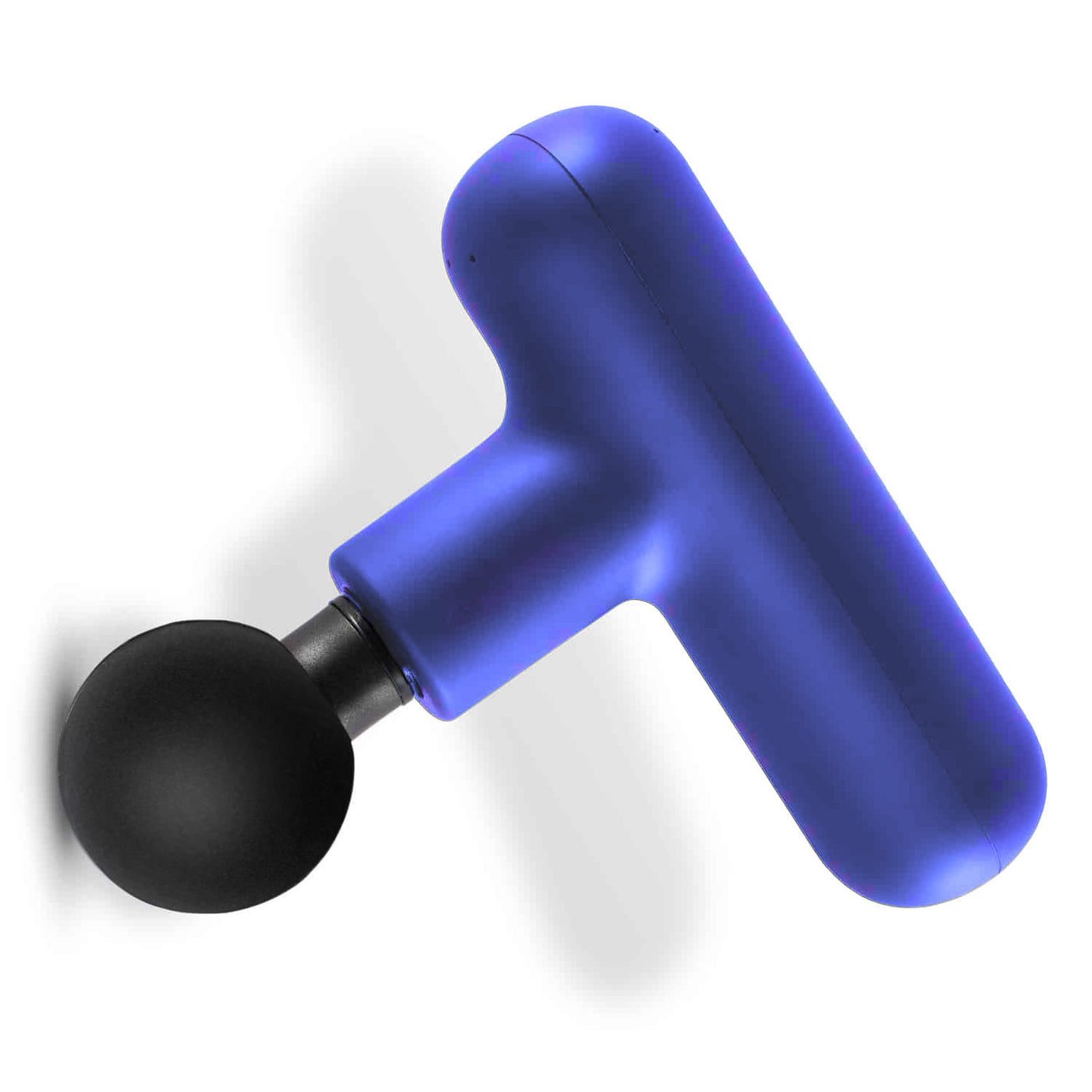
- Massage gun: fast and powerful for large, dense muscles, but noisy, heavier and far more expensive. RAD tools are silent, need no charging and fit in a pocket.
A practical kit for most people is a foam roller for big areas plus one or two RAD tools for the spots that never quite release.
Pricing, shipping and guarantee
RAD's pricing is one of its strengths. When we checked, single tools ranged from $18 for Rounds to $35 for the Neuro Roller, with the Roller, Centre, Neuro Ball and Recovery Rounds at around $25. Kits ran from $140 to $207.
Orders over $40 ship free to the 48 contiguous states. Every tool is covered by a lifetime guarantee against manufacturer defects, which is reassuring for products you may throw in a bag daily. Check the returns page for the current return window and conditions.
Who it suits
RAD tools suit people who already know where they get tight and want something more precise than a foam roller: office workers with tense upper backs and necks, runners with sore calves and feet, climbers and lifters with tight forearms, and yoga practitioners who use tools as part of their practice. Their small size also makes them good travel companions.
If you prefer a hands-off, passive massage, a shiatsu cushion or massage gun will feel easier. And if you have a diagnosed condition, such as a disc problem, osteoporosis or nerve symptoms, ask a physical therapist which tools and positions are appropriate before applying pressure near the spine.
Our verdict
RAD Roller offers well-designed, affordable tools that do one job well: precise self-massage on hard-to-reach areas. The range is broader than it needs to be and the site could explain materials better, but the Roller alone is one of the best-value recovery tools you can buy, and the lifetime defects guarantee adds peace of mind.
RAD Roller products at a glance
| Product | What it is | Price |
|---|---|---|
| RAD Roller | Compact double-ball multitool for the spine, neck, calves, forearms and feet. | $24.99 |
| Neuro Ball | Small ball for rolling the soles and arches of the feet. | $25 |
| Centre | Tool focused on releasing the psoas and front-of-hip area. | $25 |
| Rounds | Small rounded pieces for hands, feet and face. | $18 |
| All In Kit | Starter set covering all-over relief with several RAD tools. | $140 |
Prices as listed on the brand's site at the time of our research and may change. Check the store for current pricing.
RAD Roller FAQs
Is RAD Roller legit?
Yes. RAD Roller is a US brand with tools engineered in Colorado, transparent pricing, free shipping over $40 in the contiguous US and a lifetime guarantee against manufacturer defects.
Which RAD Roller tool should I buy first?
The original RAD Roller is the most versatile starting point. Add the Neuro Ball for feet or the Centre for tight hip flexors.
Is RAD Roller better than a foam roller?
It is better for small or awkward areas such as along the spine, the feet and forearms. A foam roller is still handy for large muscles like the quads and upper back, so many people use both.
Can I use RAD tools on my spine?
The Roller is shaped to straddle the spine so pressure lands on the muscles either side rather than on the bones. Avoid pressing directly on the spine, and check with a clinician if you have a back condition.
Does RAD Roller offer a warranty?
Yes. Tools carry a lifetime guarantee against manufacturer defects.
Desk workers, lifters, runners and yoga fans who want targeted release without a bulky foam roller
Disclosure: InhouseHeal may earn a commission if you buy through links on this page. Our score is based on research of the brand's products, evidence, pricing and policies. How we review.