Orthofeet builds comfort-first shoes with arch support, extra depth, wide toe boxes and cushioned rocker soles, and backs them with one of the most generous trial policies in footwear. Styling is practical rather than fashionable, but for painful or hard-to-fit feet it is one of the safest places to start.
What we like
- 60-day wear test you can use outdoors, plus free US returns and exchanges
- Removable orthotic insoles, an Arch Booster and spacers to fine-tune fit
- Widths from narrow up to 4E in some styles, with extra depth and wide toe boxes
- Hands-free slip-on designs for people who struggle to bend or tie laces
- HSA/FSA eligible and free contiguous-US shipping with no minimum
Keep in mind
- Pricier than standard sneakers and many supportive brands
- Designs prioritize comfort over style
- Not every width and size is available in every color
- The trial and free returns apply only to orders placed on orthofeet.com
When your feet hurt, most shoes feel like a compromise. Orthofeet sets out to remove that compromise for people with plantar fasciitis, arthritis, bunions, flat feet, neuropathy or swelling, by building support and space into the shoe itself rather than relying on an aftermarket insert.
The New Jersey brand now covers sneakers, walking shoes, boots, work boots, sandals, slippers, dress shoes and even pickleball and golf shoes. We looked at what goes into an Orthofeet shoe, how to choose a size and width, what you will pay, and how the 60-day wear test works in practice.
What makes an Orthofeet shoe different
Most models share the same core build, which the brand calls the Ortho-Cushion System: a multilayer cushioned sole, anatomical arch support and a mild rocker shape designed to ease the transition from heel to toe. On top of that you get:
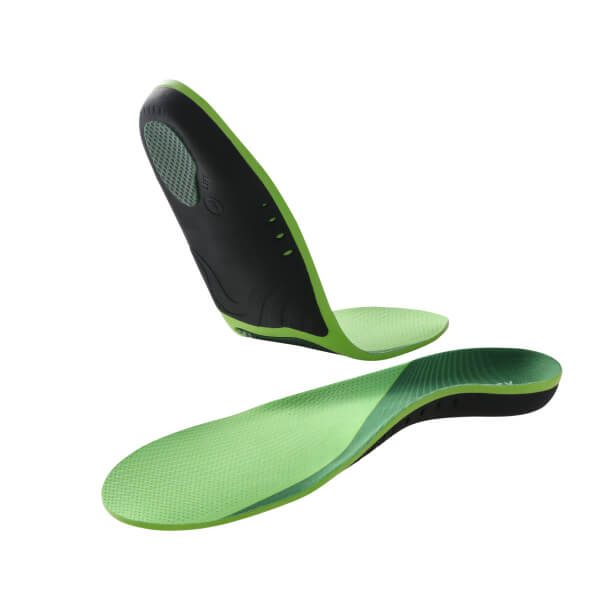
- A removable orthotic insole of roughly a quarter inch, with built-in arch support.
- An Arch Booster and thin spacers in most styles, so you can raise arch support or take up volume without buying a separate orthotic.
- Extra depth and a wide toe box, which help with bunions, hammertoes, swelling and custom orthotics.
- Seam-free, padded interiors to reduce rubbing, a priority for sensitive or diabetic feet.
- Stretch uppers in many models that give over bunions and other pressure points.
Popular styles worth knowing
The women's Coral sneaker is a good example of the formula. It was listed at $119 when we checked and has tens of thousands of reviews. It has a water-repellent stretch-knit upper, weighs about 9.7 ounces in a women's 7, uses a fairly high heel-to-toe drop of about 15.7 mm that can take load off the heel and Achilles, and comes in widths from narrow to extra-wide, with some colors in XX-wide.
Other names you will see often include the hands-free styles such as Bliss, Lorin and Vito, which you step into without bending or tying, and the Venus closed-toe hands-free sandal. Workers can look at the Dolomite work shoe, which has a composite toe and slip-resistant sole, while men who need weatherproofing have options such as the waterproof Stratton.
See Orthofeet's current range
Choosing size, width and the right style
Fit matters more with orthopedic shoes than with fashion sneakers, so take a few minutes over it.
- Measure late in the day, when feet are at their largest, and size to your longer foot.
- Go wider rather than tighter if you have bunions, swelling or neuropathy. Orthofeet offers extended widths up to 4E in some styles, and insoles up to 6E.
- Use the included spacers before exchanging. If a shoe feels slightly loose, adding a spacer under the insole often fixes it.
- Match the style to the day: a sneaker for walking and errands, hands-free shoes if bending is difficult, a work shoe for long shifts on hard floors.
Matching features to common foot complaints
Orthofeet's catalog can be filtered by condition, but it helps to know which features do the heavy lifting for each problem.
- Heel pain and plantar fasciitis: look for firm arch support, a cushioned heel and the rocker sole; consider adding the Arch Booster if your arch feels unsupported.
- Bunions and hammertoes: prioritize a wide toe box and stretch upper, and size up in width rather than length.
- Swelling or edema: choose styles with adjustable straps or stretch knit and extra depth, so the shoe accommodates changes through the day.
- Diabetes and neuropathy: seam-free interiors, padded linings and roomy fits reduce friction points you may not feel.
- Knee or back strain from standing: a cushioned, slip-resistant work shoe can make long shifts on hard floors easier.
If you are unsure, start with a sneaker; it is the most versatile style and the easiest way to judge the fit and support before buying more pairs.
Prices, shipping and the 60-day wear test
Orthofeet sits at the premium end of comfort footwear; expect to pay from roughly $119 for a sneaker, with boots and specialist styles typically higher. The purchase is HSA/FSA eligible, which softens the cost for many US buyers.
Policies are where Orthofeet stands out. Ground shipping is free with no minimum in the contiguous US, while Alaska, Hawaii and territories pay a $15 flat rate. Orders ship within two business days and should arrive within ten. Returns and exchanges are free within 60 days for most US addresses, using a prepaid label at USPS or a Happy Returns drop-off point.
The 60-day wear test is the headline: you can wear the shoes indoors and outdoors for up to two months, and if they are not the comfort upgrade you hoped for, send them back for a refund or exchange. It applies only to orders placed directly on orthofeet.com, not through other retailers.
Who should consider Orthofeet
The strongest fit is anyone whose feet limit how far or how long they can walk: people with plantar fasciitis or heel pain, arthritis, flat feet or high arches, bunions, swelling, or diabetes-related sensitivity. The hands-free range is especially useful for older adults, people recovering from hip or back surgery and anyone who struggles to bend down.
If you have healthy feet and want a lightweight, stylish running shoe, there are more fashionable options. And if you already wear prescribed custom orthotics, look for styles with removable insoles and check that your orthotic fits before the trial period runs out.
Our verdict
Orthofeet combines thoughtful construction with risk-free buying terms, which is exactly what people with painful feet need when shoe shopping. The look will not suit everyone and prices are not low, but the 60-day wear test, free returns and wide range of widths make it one of the easiest orthopedic brands to recommend trying.
Orthofeet products at a glance
| Product | What it is | Price |
|---|---|---|
| Women's Coral Sneakers | Water-repellent stretch-knit walking sneaker with Ortho-Cushion sole, Arch Booster and widths up to 4E in some colors. | $119 |
| Hands-Free Shoes (Bliss, Lorin, Vito) | Step-in styles with a secure heel cradle, so there is no bending, tying or readjusting. | — |
| Venus Hands-Free Sandals | Closed-toe slip-on sandal with adjustable straps and a cushioned sole. | — |
| Dolomite Work Shoes | Supportive work shoe with a composite toe and slip-resistant outsole for long shifts. | — |
| Orthotic Insoles | Arch-support insoles for plantar fasciitis and flat feet, offered up to 6E widths. | — |
Prices as listed on the brand's site at the time of our research and may change. Check the store for current pricing.
Orthofeet FAQs
Is Orthofeet legit?
Yes. Orthofeet is an established US footwear brand based in Northvale, New Jersey, with a large base of customer reviews. It offers free contiguous-US shipping, free returns and a 60-day wear test on direct orders.
How does the Orthofeet 60-day wear test work?
You can wear the shoes indoors and outdoors for up to 60 days. If they are not comfortable enough, you can return or exchange them for free through the online returns portal. It only covers purchases made on orthofeet.com.
Are Orthofeet shoes good for plantar fasciitis?
They are designed with arch support, cushioning and a rocker sole, features often recommended for heel pain. Footwear can help, but persistent heel pain should be assessed by a podiatrist or doctor.
Can I use Orthofeet with diabetes or neuropathy?
Many customers with diabetes choose Orthofeet for its extra depth, wide toe box and seam-free interior. People with diabetes should still check their feet daily and ask their care team whether a particular shoe suits them.
Can I use my HSA or FSA at Orthofeet?
Yes, Orthofeet lists its footwear as HSA/FSA eligible. Check your plan's rules for documentation requirements.
People with heel, arch or forefoot pain, wide or swollen feet, or diabetes-related foot sensitivity
Disclosure: InhouseHeal may earn a commission if you buy through links on this page. Our score is based on research of the brand's products, evidence, pricing and policies. How we review.