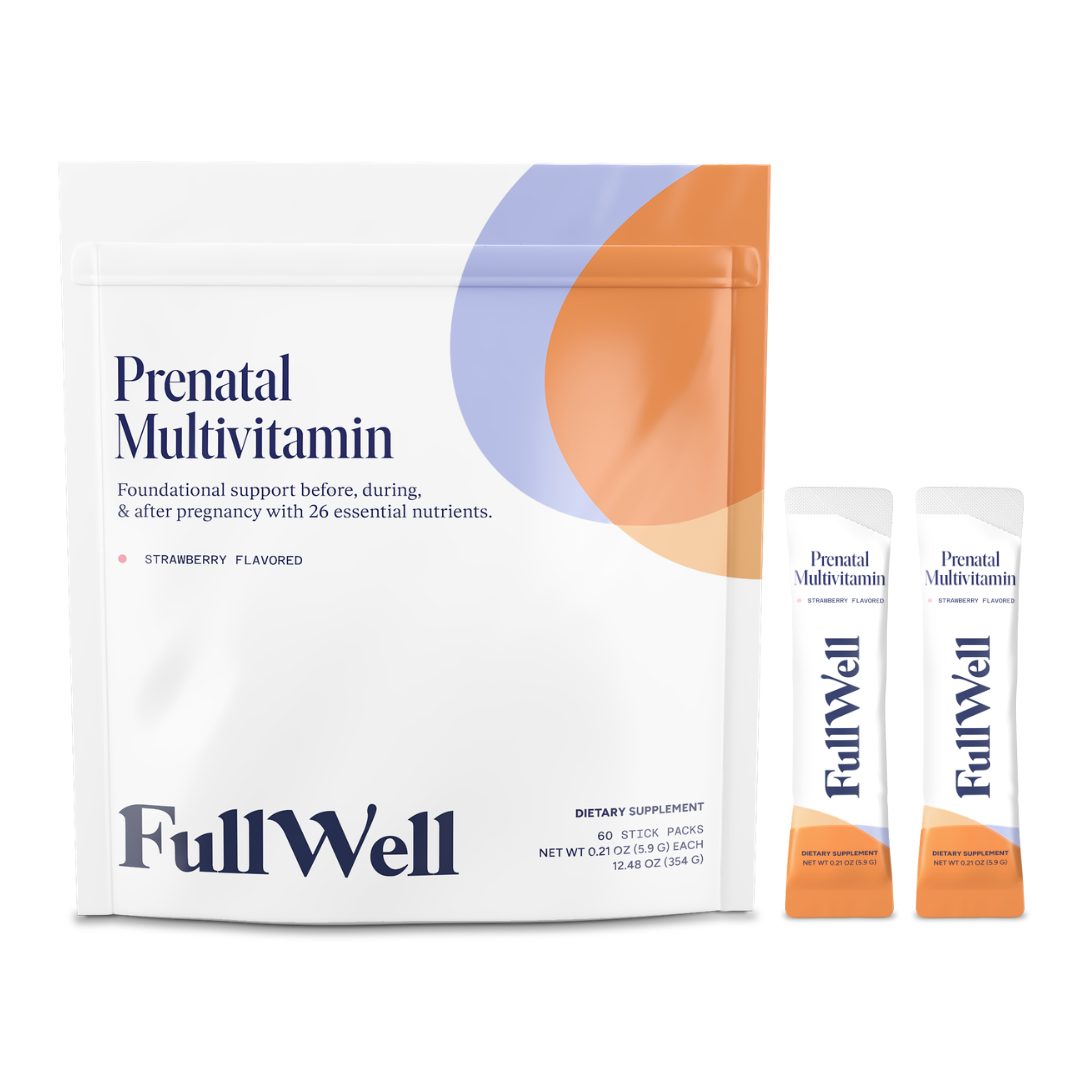
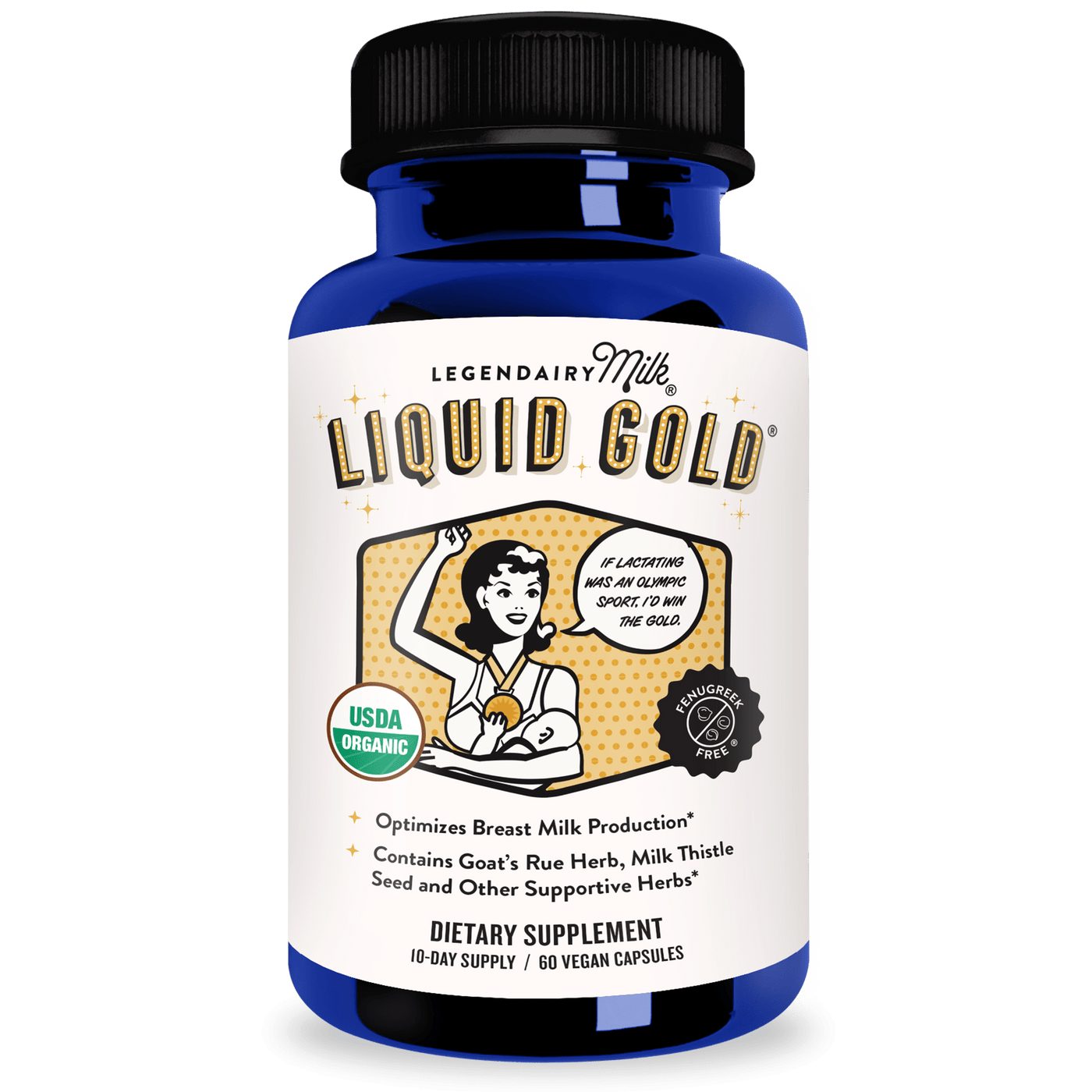
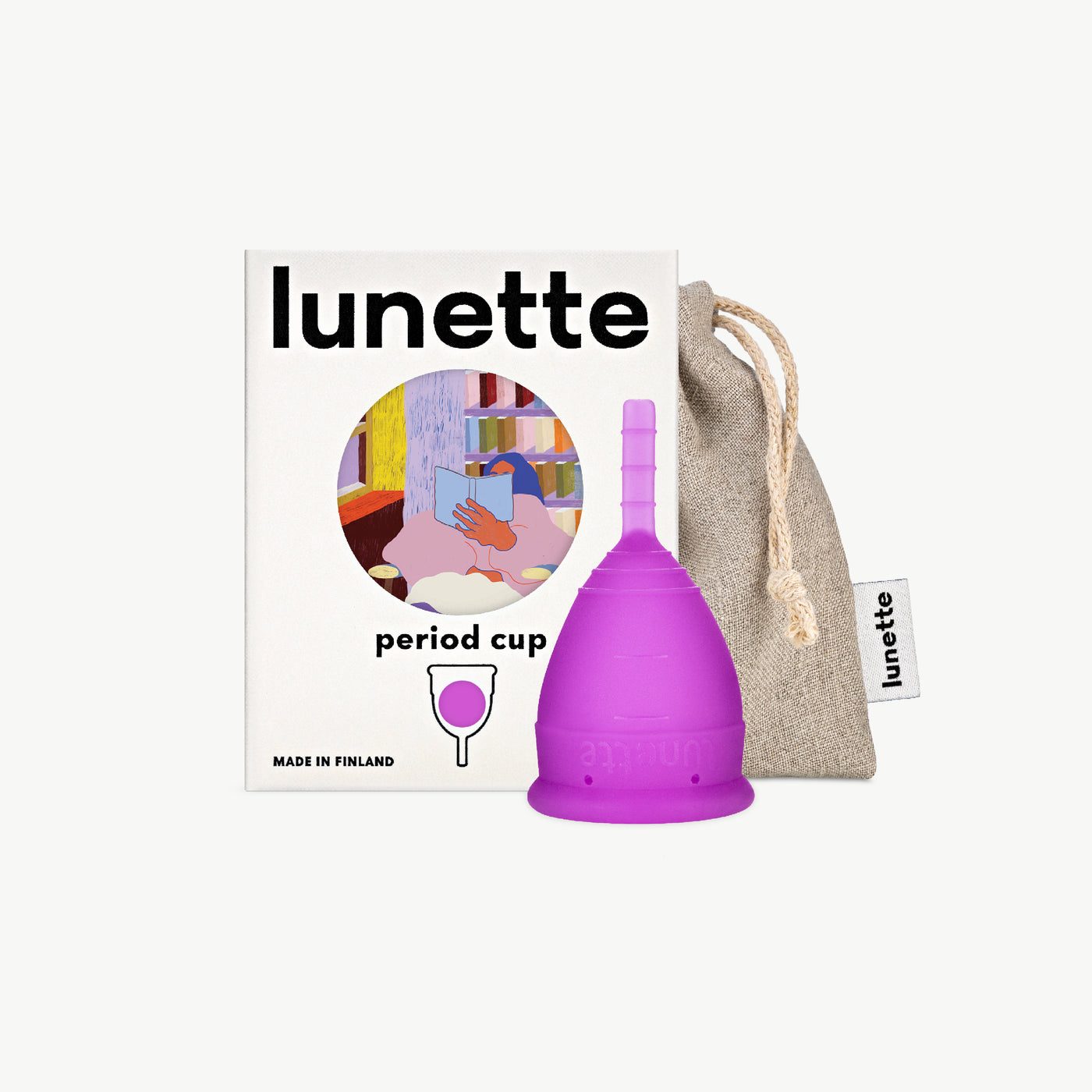
Women's health has become one of the busiest corners of the wellness market, with new brands promising better prenatals, smarter fertility tracking, easier menopause care and greener periods. Some are excellent. Others lean more on marketing than substance. To build this list, we looked at dozens of brands across fertility, pregnancy, postpartum, menopause and period care, comparing who is behind them, how clearly they explain their products, what they cost and how they treat customers.
Our picks below each lead a specific need rather than competing head to head. A prenatal brand and a menopause clinic solve very different problems, so think about your stage of life first, then use the buying advice further down to choose with confidence.
- Perelel — Best prenatal vitamins
- Bird&Be — Best for couples trying to conceive
- Natural Cycles — Best hormone-free birth control
- Midi Health — Best menopause care with insurance
- Alloy — Best cash-pay menopause telehealth
- Wisp — Best for quick UTI and vaginal health care
- Saalt — Best reusable period care
- Willow — Best wearable breast pump

Perelel
Perelel splits pregnancy into stages, with separate daily packs for preconception, each trimester and postpartum, so nutrients shift as your needs change. An OB-GYN co-founder shapes the formulas, products are described as third-party tested, and trimester subscriptions update automatically. It costs more than a basic prenatal, but the structure and convenience are hard to match.
Bird&Be
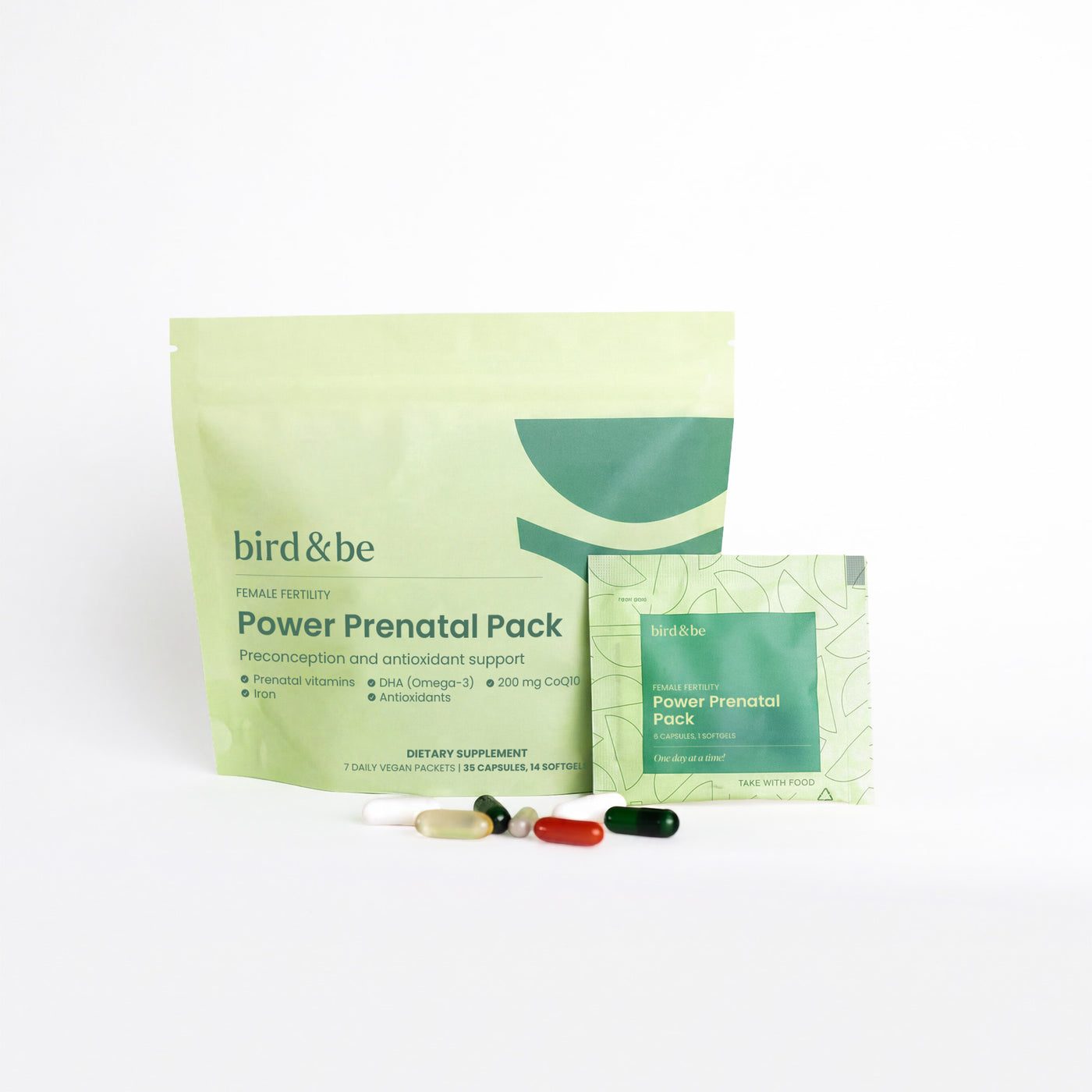
Bird&Be treats fertility as a two-person project, pairing women's fertility prenatal packs with male fertility formulas and at-home sperm, ovulation and pregnancy tests. Daily sachets keep multi-supplement routines simple, and bundles for both partners offer good value.
Natural Cycles
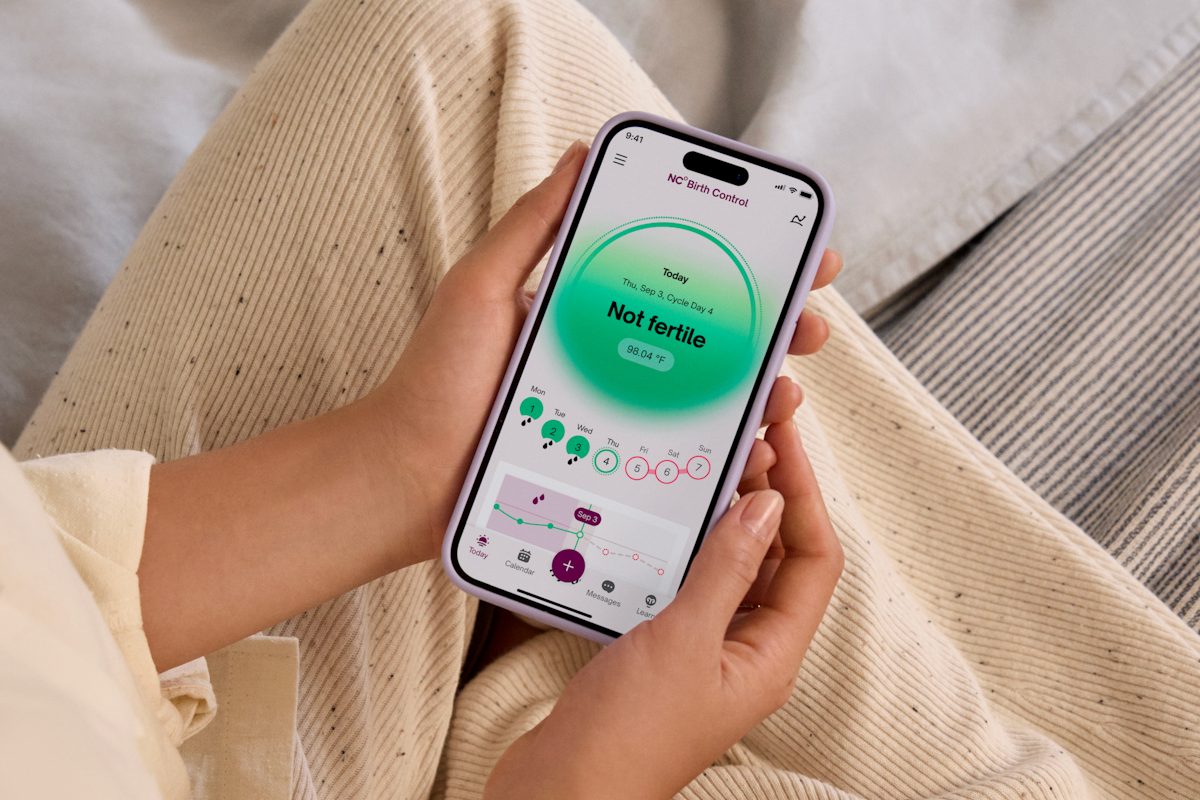
Natural Cycles is the only birth control app we looked at with FDA clearance, using temperature data from its NC Band or a compatible wearable to show fertile and non-fertile days. With 93% typical-use effectiveness, it suits disciplined adults who want to avoid hormones, and the same subscription covers pregnancy planning and perimenopause.

Midi Health
Midi Health offers video visits with clinicians focused on perimenopause and menopause, and it is in-network with many large commercial insurers. Care plans cover hormone therapy, non-hormonal options, labs and more, with clear self-pay prices for those without coverage.

Alloy
Alloy pairs a short online intake with menopause-trained doctors who typically send a plan within 12 hours, then delivers FDA-approved hormone therapy free to your door. Prices are published upfront, starting around $40 a month for estradiol, and there are no insurance hoops to jump through.

Wisp
Wisp handles everyday sexual and reproductive health needs, from UTIs, BV and yeast infections to herpes and birth control, through a quick online intake reviewed by licensed providers. Prescriptions often go to your pharmacy within hours, or ship free in discreet packaging.
Saalt
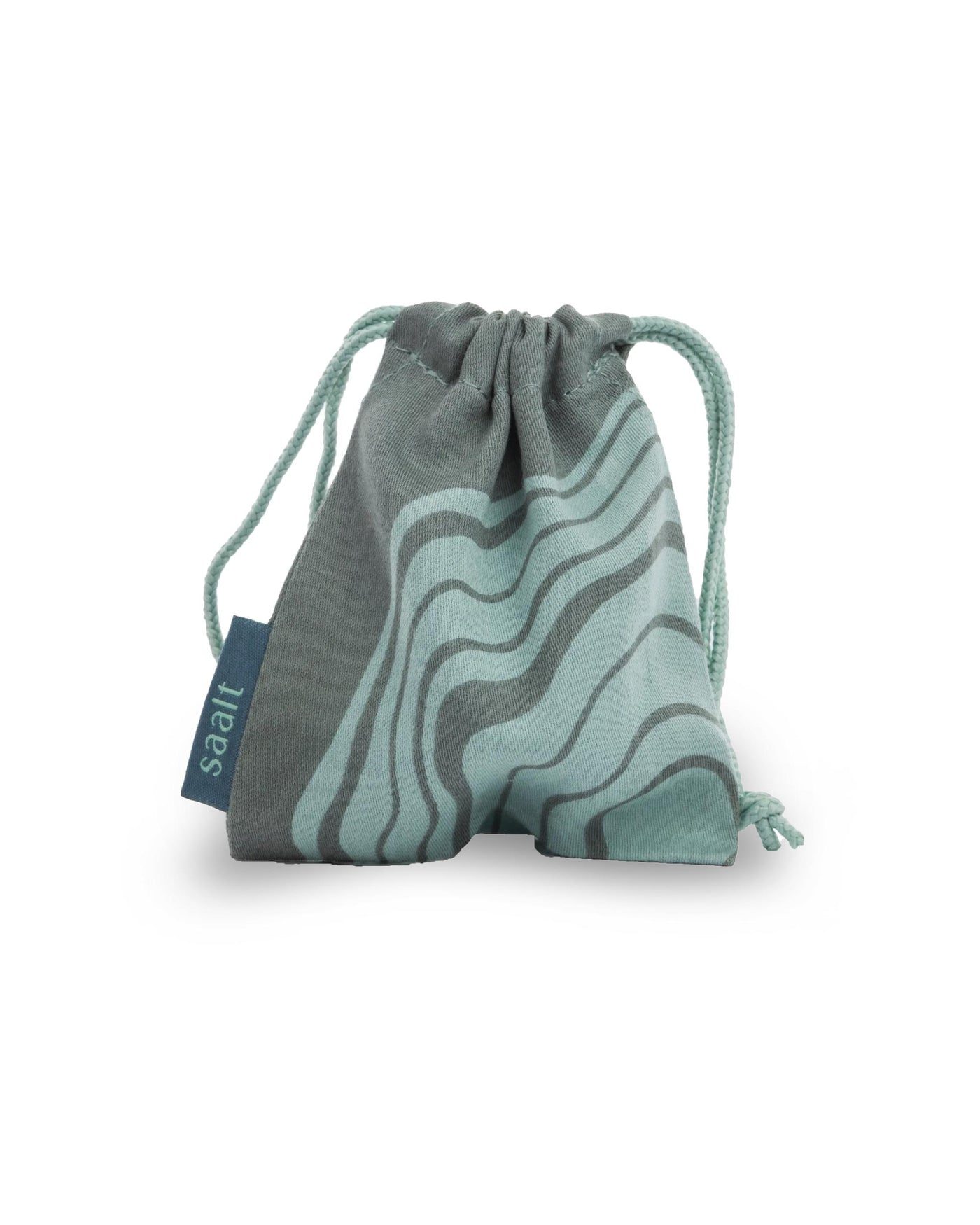
Saalt makes reusables approachable, with regular, soft and teen cups, a disc for low cervixes and a wide leakproof underwear range. Its 90-day guarantee gives you three cycles to find your fit, and the brand is a Certified B Corporation with a period poverty giving program.
Willow
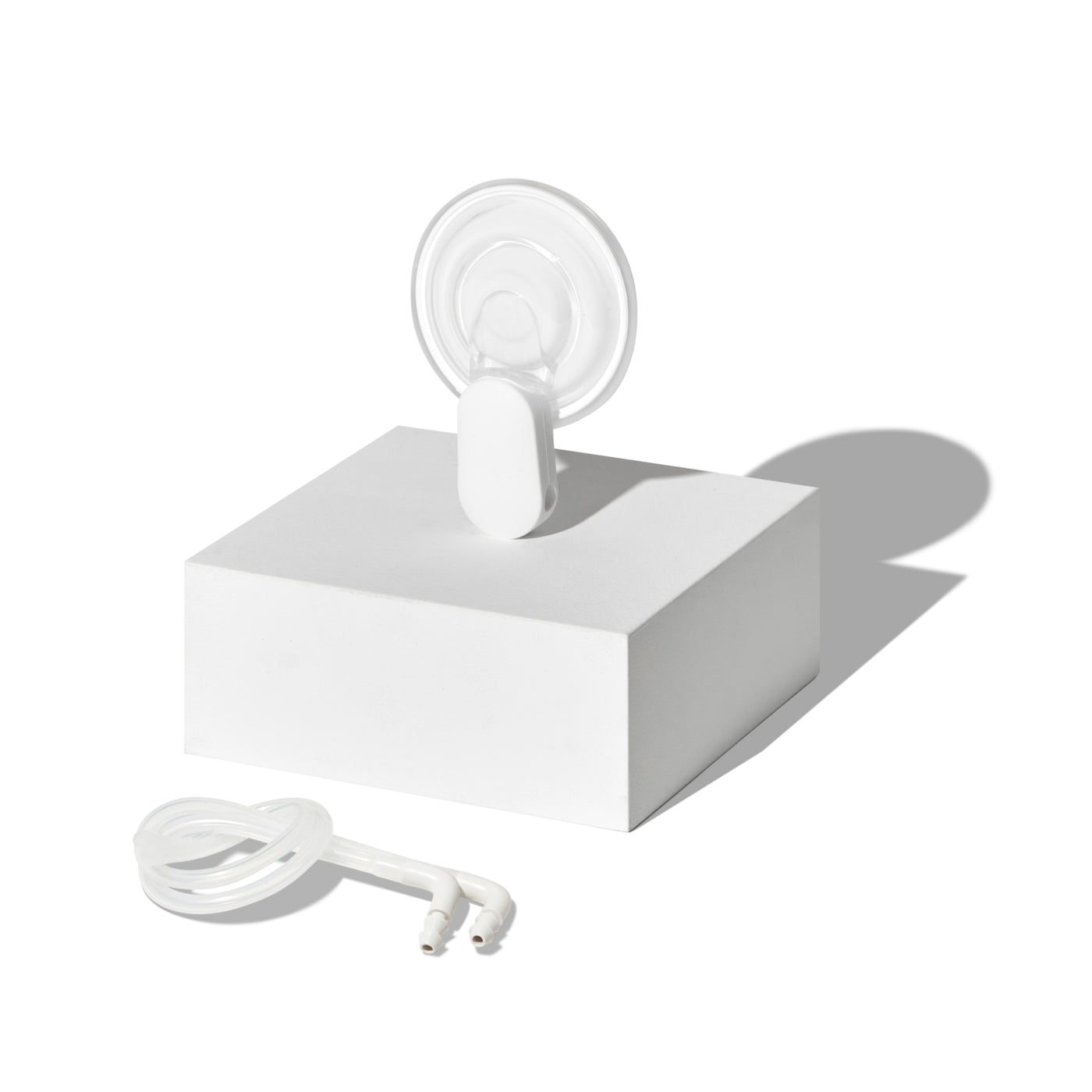
Willow's in-bra pumps have no tubes or cords and connect to an app that tracks output. The Willow Go offers strong value, while the Willow 360 is designed to be leak-proof in any position. Many insurance plans cover Willow pumps, and HSA/FSA funds are accepted.
How to choose a women's health brand
Start with your stage of life and the specific problem you want to solve. Someone trying to conceive needs different tools from someone managing hot flashes or looking for a gentler breast pump. Narrowing your need first keeps you from buying products you do not use.
Next, look at who is behind the brand. Clinician involvement, whether an OB-GYN co-founder or a team of menopause-trained doctors, is a good sign, especially when names and credentials are easy to find. Transparent pricing, clear policies on returns and subscriptions, and honest language about what a product can and cannot do also separate trustworthy brands from hype.
Reading supplement labels: prenatal, fertility and beyond
For prenatals, check the form and amount of folate (methylfolate or folic acid), plus iodine, choline, iron and vitamin D. Note whether DHA is included or needs to be bought separately. Fertility formulas often add CoQ10, inositol or NAC, which may be useful for some people but are not essential for everyone.
- Look for third-party testing claims and, ideally, published results.
- Be wary of herbs such as ashwagandha in products you might take while pregnant or breastfeeding.
- Compare labels before stacking products, since doubling up on iron or vitamin A is easy.
- Treat bold claims about hormone balancing or detox with caution.
Always share what you take with your OB-GYN, midwife or pharmacist.
Telehealth for women's health: what it can and cannot do
Online care has made it far easier to get prescriptions for birth control, UTIs, herpes and menopause hormone therapy. It works best for clear, familiar issues and for ongoing medication management. Check whether a service accepts insurance, what a visit costs without it, and how quickly you can reach a clinician afterward.
Telehealth cannot perform pelvic exams, Pap tests, imaging or mammograms, and some infections need a lab culture. Keep a local gynecologist or primary care provider for routine screening, and seek in-person care for fever, severe pain, unusual bleeding or symptoms during pregnancy.
Period care: disposables, reusables or both
If you prefer tampons and pads, organic cotton options with plastic-free packaging reduce waste and suit people with sensitive skin. If you are ready to try reusables, menstrual cups and discs can last for years and often allow longer wear between changes, while period underwear makes an easy first step or backup.
Many people use a mix: a cup on heavy days, underwear on light days and disposables for travel. Look for clear sizing guidance and a generous guarantee, since finding the right cup or disc can take a couple of cycles.
FAQs
What is the best prenatal vitamin brand?
In our research, Perelel stood out for its stage-specific packs and OB-GYN involvement, while Beli offers a simpler one-capsule option. The best prenatal for you depends on your needs, so review labels with your clinician.
Are online menopause clinics legitimate?
Reputable services such as Midi Health and Alloy use licensed, menopause-trained clinicians and prescribe FDA-approved treatments. Check credentials, pricing and insurance coverage, and keep up with in-person screenings.
Is a birth control app as effective as the pill?
Natural Cycles reports 93% effectiveness with typical use, broadly similar to the pill, and 98% with perfect use. IUDs and implants are more effective, and no app protects against STIs.
Are menstrual cups safe?
Menstrual cups are generally safe when used and cleaned as directed. Toxic shock syndrome is rare but possible with any internal product, so empty cups regularly and seek care for sudden fever or rash during your period.
Will insurance pay for a breast pump?
Most US health plans must cover a breast pump under the Affordable Care Act, though not every model. Check with your insurer, and use HSA or FSA funds if your preferred pump is not covered.
Disclosure: InhouseHeal may earn a commission if you buy through links in this guide. Picks are based on our research of each brand's products, evidence, pricing and policies.