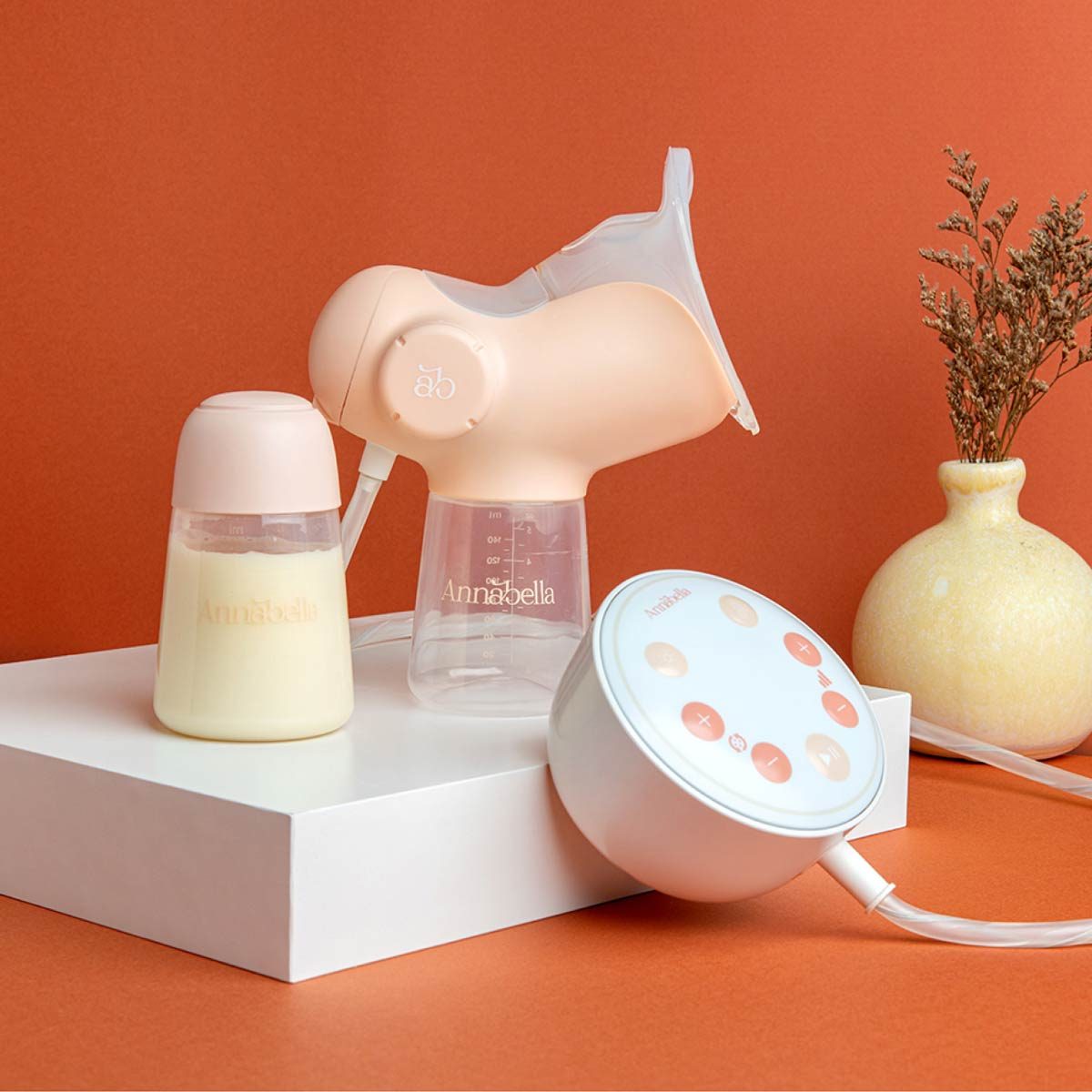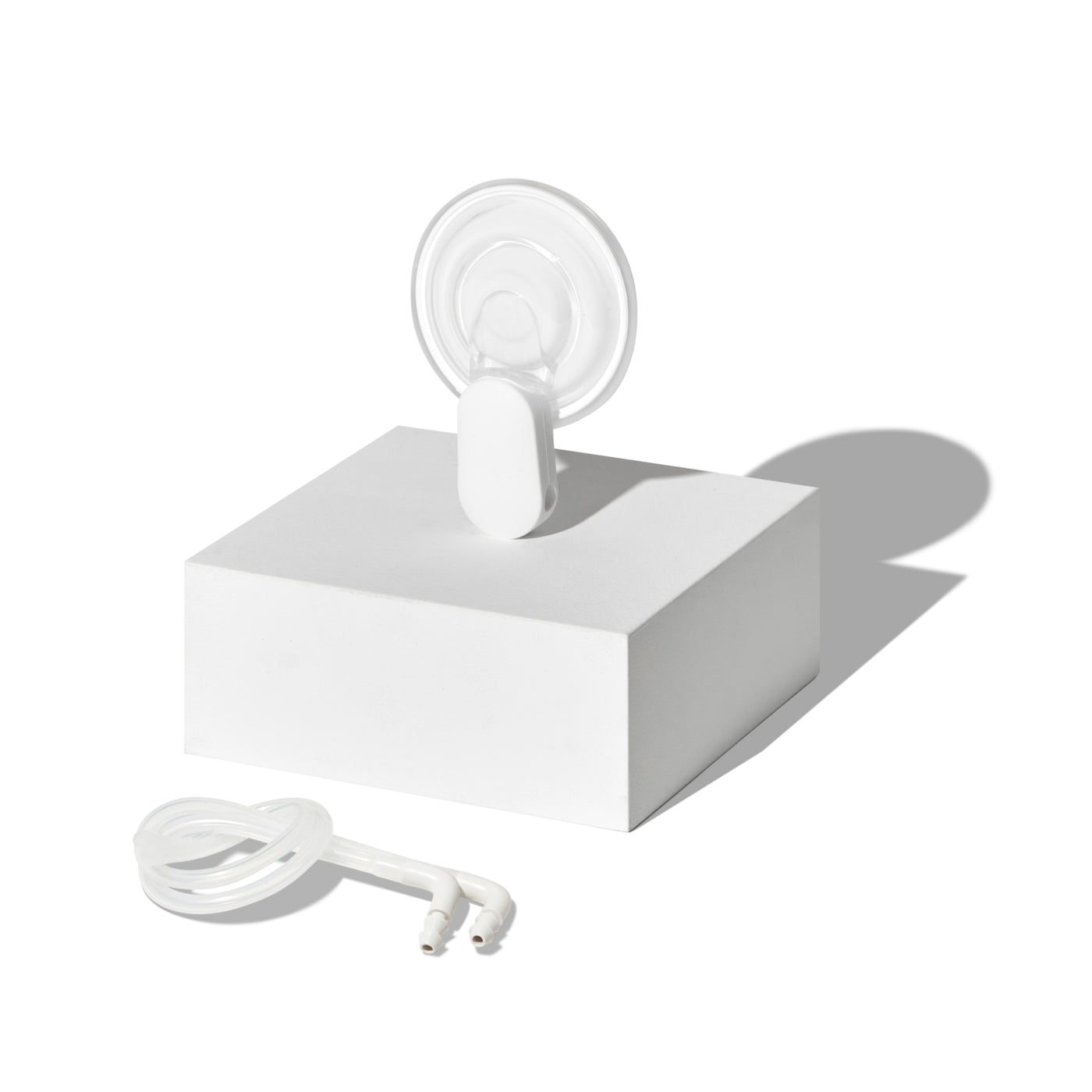
Willow makes some of the most polished wearable breast pumps available, with no tubes or cords and a capable companion app. The Willow Go is the better value for most people, while the leak-proof Willow 360 justifies its higher price for parents who pump while moving or reclining. Insurance or HSA/FSA funds can cut the cost considerably.
What we like
- Fully wearable, in-bra design with no external tubes, cords or bottles
- Willow Go offers up to -280 mmHg suction with 15 levels across two modes
- Willow 360 is designed to be leak-proof in any position
- App tracks sessions and output, plus access to lactation consultants
- Often covered by insurance, and eligible for HSA/FSA funds
Keep in mind
- More expensive than traditional electric pumps
- Learning curve with placement, flange fit and suction settings
- The Willow Go can be audible in very quiet rooms
- Wearable pumps can be less efficient for some bodies than a hospital-style double pump
Pumping breast milk used to mean sitting near an outlet, connected to a motor by tubes and holding bottles in place. Willow, founded in 2014 and based in the US, helped change that picture by putting the whole pump inside the bra. Its devices are cordless, quiet enough for many workplaces and controlled through a phone app.
The current lineup centers on two electric wearables, the Willow Go and the Willow 360, plus manual and passive pumps and a long list of accessories. We compared the models, looked at pricing and insurance, and gathered what new parents should know before choosing.
Why wearable pumps appeal
A wearable pump lets you express milk while doing other things: answering emails, commuting as a passenger, caring for an older child or simply sitting comfortably on the sofa. For parents returning to work, that freedom can be the difference between keeping up with pumping and giving up early.
Willow's pumps hold everything in one unit that sits in a regular or nursing bra. Milk collects in containers or bags attached to the pump, and the app shows how much you have expressed and how long each session took. The brand describes its pumps as hospital-grade in suction strength and says they are clinically tested and FDA approved.
Willow Go vs Willow 360
Willow Go
The Go is Willow's more accessible model. It reaches up to -280 mmHg of suction with two modes and 15 levels, uses reusable containers that hold 5 oz per side, with 7 oz containers available, and connects to the app for tracking. It comes with 21 mm and 24 mm flanges plus free sizing inserts for smaller sizes. Some users find it louder than expected in very quiet settings.
Willow 360
The 360 is the premium option. Its headline feature is a leak-proof design that lets you pump in any position, including leaning forward or lying back, which the Go cannot match. It works with spill-proof milk bags or reusable containers and manages up to five sessions per full charge. It includes app tracking with personalized tips and access to certified lactation consultants.
Which to pick
If you mostly pump sitting upright at a desk or at home, the Go offers most of the benefit at a lower price. If you want to pump while walking around, bending to pick up a toddler or reclining at night, the 360's leak-proof design is worth the extra cost.
See Willow's current range
Beyond the main pumps
Willow also sells simpler options and a deep accessory catalog:
- Wave 2-in-1 Double Manual Wearable Pump: a hand-powered option for occasional use or as a backup.
- Silicone Wearable Passive Pump: a 3 oz collector for catching let-down on the opposite side while feeding.
- Accessories: replacement containers, milk storage bags, flanges and liners in multiple sizes, a milk pitcher, cleaning brushes, a cooler bag and nursing gel pads.
Flange fit is crucial to comfort and output, so it is worth measuring carefully and using the sizing inserts if you are between sizes.
Prices, insurance and warranty
At the time of our research, the Willow Go was on sale for about $199.99, down from $299.99, and the Willow 360 was about $349.99, down from $499.99. The Wave manual pump was about $59.99 and the passive pump about $15.99. Willow runs frequent promotions, especially around Mother's Day and Black Friday.
Under the Affordable Care Act, most US health plans must cover a breast pump as a preventive benefit, and Willow says many plans cover the Go or 360 in full or with minimal out-of-pocket cost. Its team helps with insurance claims, and pumps and most accessories are HSA/FSA eligible. Installment payments are also available. Pumps ship free and carry a two-year warranty, with an extended protection plan available directly from Willow.
Who Willow suits
Willow is ideal for parents who pump several times a day away from home, especially those returning to work, traveling or juggling older children. It also suits people who find traditional pumps tethering and isolating.
It is less essential if you plan to pump only occasionally, where a manual pump may be enough, or if you are exclusively pumping and need maximum efficiency from the start. Some parents find wearable pumps empty the breast less thoroughly than a traditional double electric, so exclusive pumpers often keep both. A lactation consultant can help you decide.
Tips before you buy
- Check with your insurer first; you may be able to get a Willow at little or no cost.
- Measure your nipple size for the correct flange, and expect sizes to change in the early weeks.
- Practice placement at home before your first workday, since getting the seal right takes a few tries.
- Clean all milk-contact parts after every session according to the instructions.
- Keep a spare set of containers or bags so you are not washing parts between back-to-back sessions.
- Charge the pump overnight if you plan several sessions the next day.
Our verdict
Willow remains one of the most refined names in wearable pumping. The Go is a strong value for most parents, the 360 solves the leaking problem that frustrates many wearable users, and the app and lactation support add real usefulness. With insurance or HSA/FSA funds lowering the cost, it is a worthwhile upgrade for anyone who needs to pump on the move.
If you are torn, start by asking your insurer which Willow models it covers, then decide based on how you pump. Parents who are mostly upright will be happy with the Go; those who need true freedom of movement should stretch to the 360.
Willow products at a glance
| Product | What it is | Price |
|---|---|---|
| Willow Go | A wearable in-bra pump with up to -280 mmHg suction, 15 levels and 5 oz or 7 oz containers. | about $199.99 on sale (regular $299.99) |
| Willow 360 | Willow's leak-proof wearable pump for pumping in any position, with bags or containers. | about $349.99 on sale (regular $499.99) |
| Wave 2-in-1 Double Manual Wearable Pump | A hand-powered wearable option with cups for occasional or backup pumping. | about $59.99 |
| Silicone Wearable Passive Pump | A 3 oz silicone collector that catches let-down while you feed on the other side. | about $15.99 |
Prices as listed on the brand's site at the time of our research and may change. Check the store for current pricing.
Willow FAQs
Is Willow covered by insurance?
Many US plans cover breast pumps under the Affordable Care Act, and Willow says many cover the Go or 360 in full or with minimal cost. Willow's team can help with claims, and HSA/FSA funds are accepted.
What is the difference between the Willow Go and Willow 360?
The Go is the more affordable model with strong suction and reusable containers. The 360 adds a leak-proof design that lets you pump in any position and works with spill-proof bags.
Can you hear a Willow pump?
Willow pumps are designed to be quiet and discreet, but some users find the Go audible in very quiet rooms. In most offices and homes it blends in.
Does Willow have a warranty?
Yes. Willow pumps come with a two-year warranty, and an extended protection plan is available directly from Willow.
How long does a Willow battery last?
Willow says the Willow 360 manages up to five sessions on a full charge. Charge it overnight if you pump several times during the day.
Working and on-the-go parents who want to pump hands-free and discreetly
Disclosure: InhouseHeal may earn a commission if you buy through links on this page. Our score is based on research of the brand's products, evidence, pricing and policies. How we review.