Checking key health markers no longer has to mean waiting weeks for an appointment. Today you can order a test online, collect a finger-prick, saliva, urine or swab sample at home, or book a quick blood draw, and see results in a secure app within days. Used well, at-home testing makes it easier to keep an eye on things like cholesterol, blood sugar, thyroid function and vitamin levels, and to get screened privately for sexually transmitted infections.
Not every test is equally useful, though, and quality varies between providers. For this guide we looked at lab accreditation, physician involvement, test menus, pricing transparency, privacy and what happens after your results arrive. We favored services that measure well-established markers and that point you toward care when something needs attention.
Everlywell
Everlywell offers one of the broadest mail-in test menus, covering heart and metabolic health, thyroid, hormones, sexual health, gut health and cancer screening. Samples go to CLIA-certified labs, physicians review applicable tests, and its results are among the clearest to read. Prices start around $49 for a cholesterol and lipids test, and many tests are HSA/FSA eligible.

Quest
Quest's consumer service lets you order more than 100 lab tests directly and have blood drawn at over 2,000 Quest locations, or at home through Quest Mobile for an added fee. A venous draw supports larger panels than most finger-prick kits, prices are transparent with frequent sales, and an independent provider oversees orders.

myLAB Box
myLAB Box specializes in private STI screening, from single tests to a 14-panel kit, processed by CLIA- and CAP-accredited labs with results in about two to five days. If anything comes back positive, you get a free telemedicine consult with a physician licensed in your state who can send a prescription to your pharmacy.
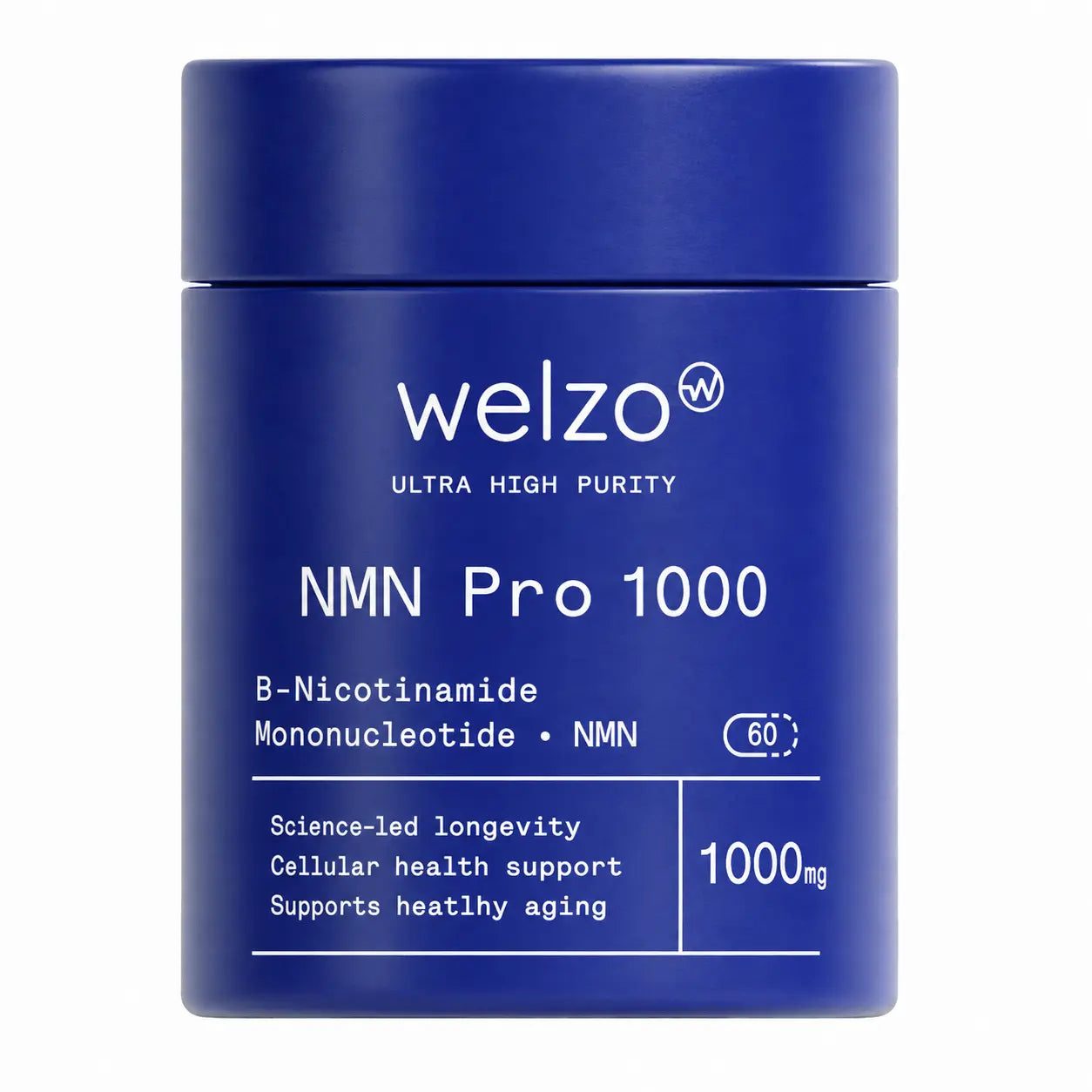
Welzo
Welzo brings home blood tests for vitamin D, hormones, HbA1c, full blood count and more together with pharmacy essentials and supplements in one UK marketplace. Single tests start around £30, making it an accessible way to check routine markers between GP appointments.
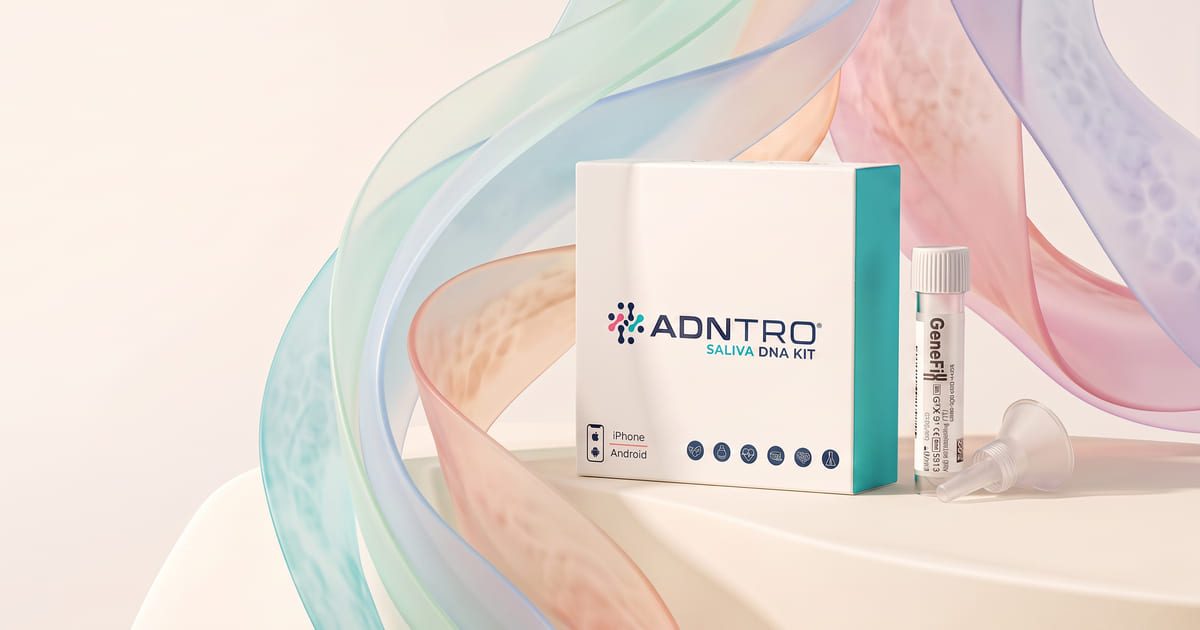
ADNTRO
ADNTRO combines ancestry, nutrition, fitness, longevity and pharmacogenetics research reports in one dashboard, with genotyping at an accredited lab in Denmark. Its privacy approach stands out: anonymous sign-up, EU data hosting, no data selling and no relative matching. Kits start at €109, and raw data from other DNA services can be uploaded.

Nourish
Test results only help if they lead to change. Nourish connects you with registered dietitians by video, often covered by insurance, to turn numbers like cholesterol, HbA1c or iron into a realistic eating plan. Bring your lab results to the first session for the most tailored advice.
How at-home lab testing works
Most services follow the same pattern: you order online, collect a sample, return it to a laboratory and view results digitally. The key quality signals are behind the scenes. Look for labs that are CLIA-certified (and ideally CAP-accredited) in the US, or appropriately accredited in the UK and Europe, and for physician oversight, since many tests legally require a provider to authorize them.
- Finger-prick blood: convenient for cholesterol, HbA1c, thyroid, vitamin D and many hormones.
- Venous blood draw: needed for larger panels and some markers; done at a lab or by a mobile phlebotomist.
- Urine and swabs: common for sexual health screening.
- Saliva: used for DNA tests and some hormone tests.
Which tests are worth taking
The most useful tests measure markers doctors rely on every day: cholesterol and lipids, HbA1c for blood sugar, thyroid hormones, iron and ferritin, vitamin D, and STI screening. These give clear results you can track and share.
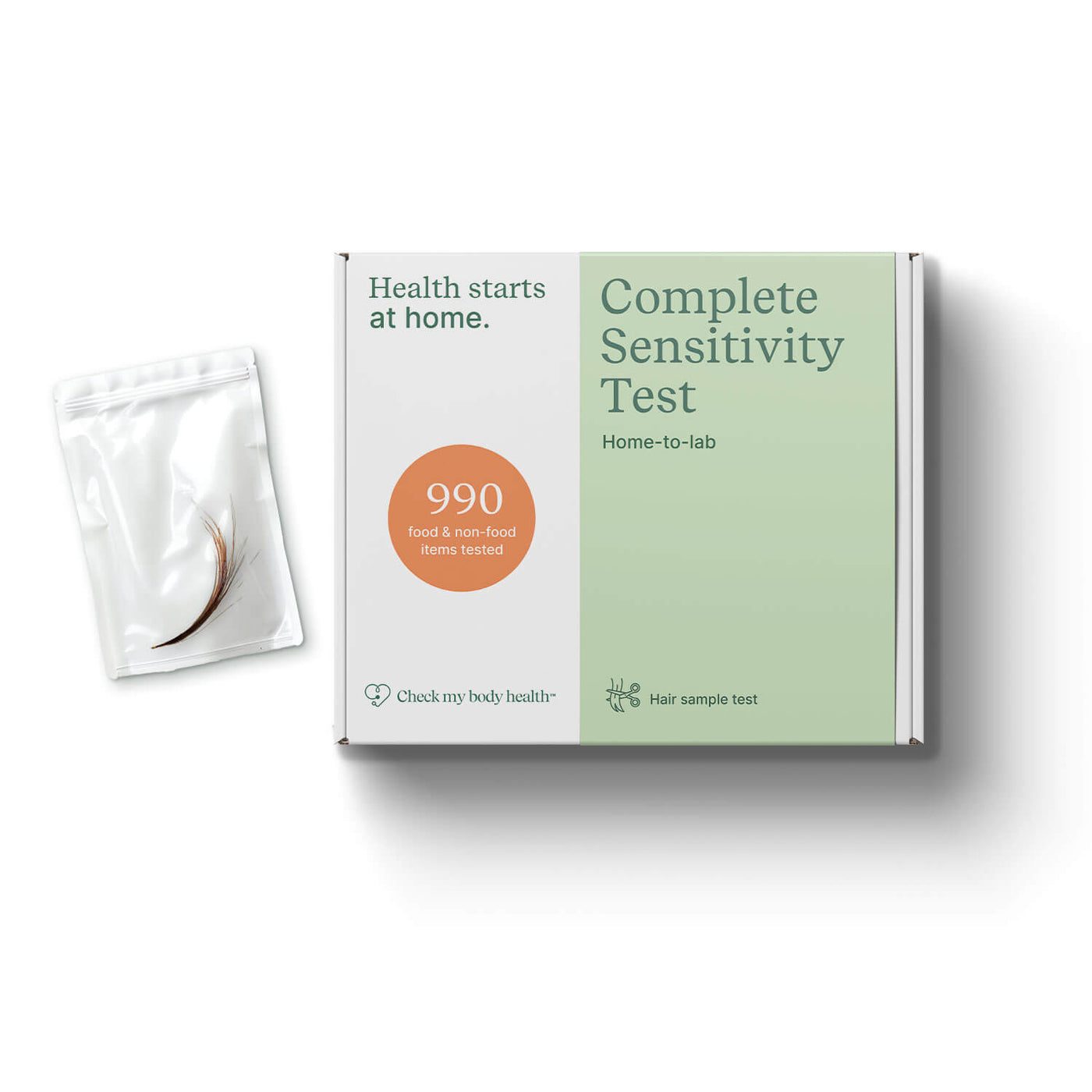
Be more skeptical of tests that sound comprehensive but have weak evidence. IgG food sensitivity panels are not recommended by allergy specialists for diagnosing food allergies or intolerances, and hair-sample bioresonance tests have no reliable scientific support. Consumer DNA health reports are educational and probabilistic, not diagnostic. If you have digestive symptoms, a doctor or dietitian-led elimination plan is usually more informative.
Mail-in kit or lab visit?
Mail-in kits win on convenience and privacy: no appointment, no waiting room, and collection on your schedule. They suit single markers and routine monitoring. A lab draw is better when you want a broad panel, when a test needs a larger blood volume, or when you would rather a trained phlebotomist handle collection. Some services, including Quest, offer both, plus in-home draws for an added fee.
Getting accurate results, and what to do next
- Follow fasting and timing rules; many lipid and metabolic panels need 8 to 12 hours of fasting, and hormone tests often need morning samples or specific cycle days.
- For finger-prick tests, warm your hands and fill every collection spot fully.
- Register kits before mailing and post them early in the week.
- Share abnormal or borderline results with your doctor rather than self-treating.
Retesting the same marker with the same provider over time gives the clearest picture of whether lifestyle changes are working.
Cost, insurance and privacy
Single at-home tests typically cost from about $49 to $150, with broad panels running higher and specialty cancer screening far more. Many US tests are HSA/FSA eligible, and subscriptions can cut the cost of regular retesting. If you have insurance and a primary care doctor, routine labs may be cheaper through them, so weigh convenience against price.
Read privacy policies carefully, particularly for DNA tests. Check whether a company sells or shares data, where it stores it, and whether you can delete it. Some consumer testing arms are not HIPAA-covered entities, so their own privacy notices matter.
FAQs
Are at-home lab tests accurate?
Tests processed in certified labs using standard methods are generally reliable for established markers, provided you collect the sample correctly and follow timing instructions. Accuracy problems usually come from collection errors or from tests that measure markers with limited clinical meaning.
Do I need a doctor to order an at-home test?
Usually not. Most services include an independent physician who authorizes or reviews tests where required. You should still share abnormal results with your own doctor.
Can I use HSA or FSA funds for lab tests?
Many at-home and direct-to-consumer lab tests are HSA and FSA eligible in the US. Check the product page and your plan rules before buying.
Are food sensitivity tests worth it?
Generally not for diagnosis. IgG food sensitivity and hair-based tests are not recommended by allergy specialists. A food and symptom diary, guided elimination with a dietitian, or medical testing for conditions like celiac disease is more reliable.
How often should I test?
It depends on the marker and your health. Many people check cholesterol, blood sugar and vitamin D once or twice a year, while those making lifestyle changes or managing a condition may retest every few months with their doctor's guidance.
Disclosure: InhouseHeal may earn a commission if you buy through links in this guide. Picks are based on our research of each brand's products, evidence, pricing and policies.