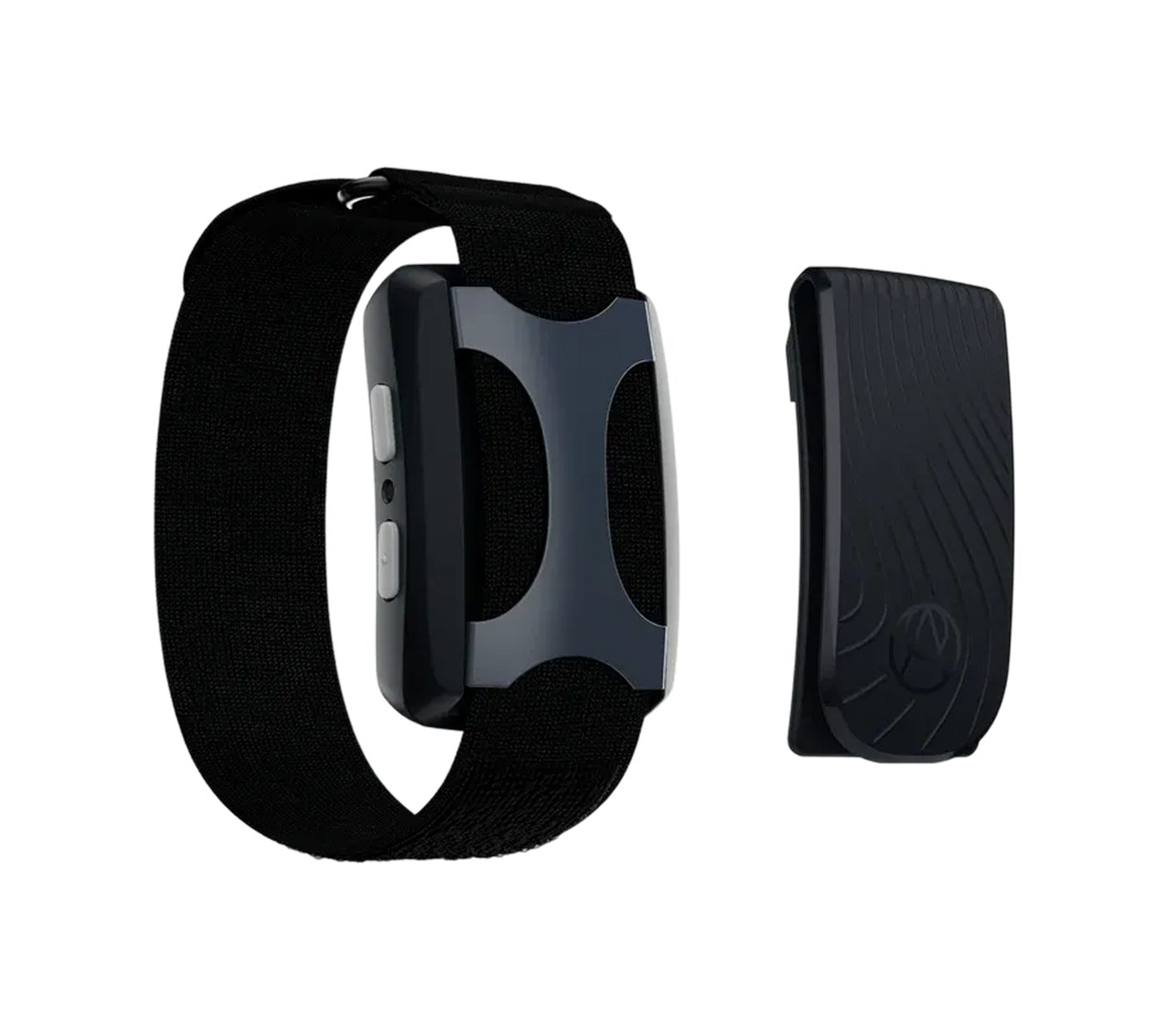
Pavlok is an unusual tool: a wristband that delivers a mild electric zap you choose to trigger when you slip into a habit you want to break. Its Shock Clock alarm mode is the easiest win, especially for heavy sleepers. The evidence is for aversion techniques in general rather than this specific device, so it works best as one part of a broader habit plan.
What we like
- Three feedback types: adjustable zap, vibration and chime
- Battery life of roughly a week or more per charge
- Water resistant to about 1 meter and wearable alongside a watch
- Strong alarm features, including modes that make you get up to switch it off
- Integrations with IFTTT, Zapier and a Chrome productivity extension
Keep in mind
- Published research does not test the Pavlok device directly
- A zap-based approach is not suitable for everyone
- Pricing has shifted between one-time and monthly plans, which can confuse
- Strap design is functional rather than stylish
Pavlok takes its name from Ivan Pavlov, and its approach is just as old-school: pair an unwanted behavior with an unpleasant sensation and, over time, the habit may lose some of its pull. The device is a wristband that can deliver a mild electric zap, a vibration or a chime, triggered by you, by the app or by an alarm.
It is not a gentle wellness gadget, and that is the point. In our research we looked at how the current Pavlok 3 and Shock Clock models work, what they cost and who is likely to benefit, as well as who should steer clear.
The idea behind Pavlok
Pavlok was founded in 2014 by Maneesh Sethi, who built the company around voluntary aversion: you choose the habit, you wear the band and you press the button (or let the app do it) when the habit happens. People use it for things like nail-biting, snacking, smoking, doom-scrolling and hitting snooze.
The brand also promotes positive reinforcement through vibrations and chimes, so the band can nudge good behaviors as well as discourage bad ones. Pavlok points to studies on aversion therapy in general, but those studies did not test this specific bracelet, so it is fair to call the evidence indirect.
The lineup in 2026
- Pavlok 3 / Pavlok 3 Pro: the core habit wearable with an app-adjustable zap, vibration and chime, three programmable buttons and sleep tracking. Battery life is around a week or more, and it is water resistant to about 1 meter.
- Shock Clock 3: a wrist-worn alarm that wakes you with vibration or a zap instead of sound, which is handy if you share a bed.
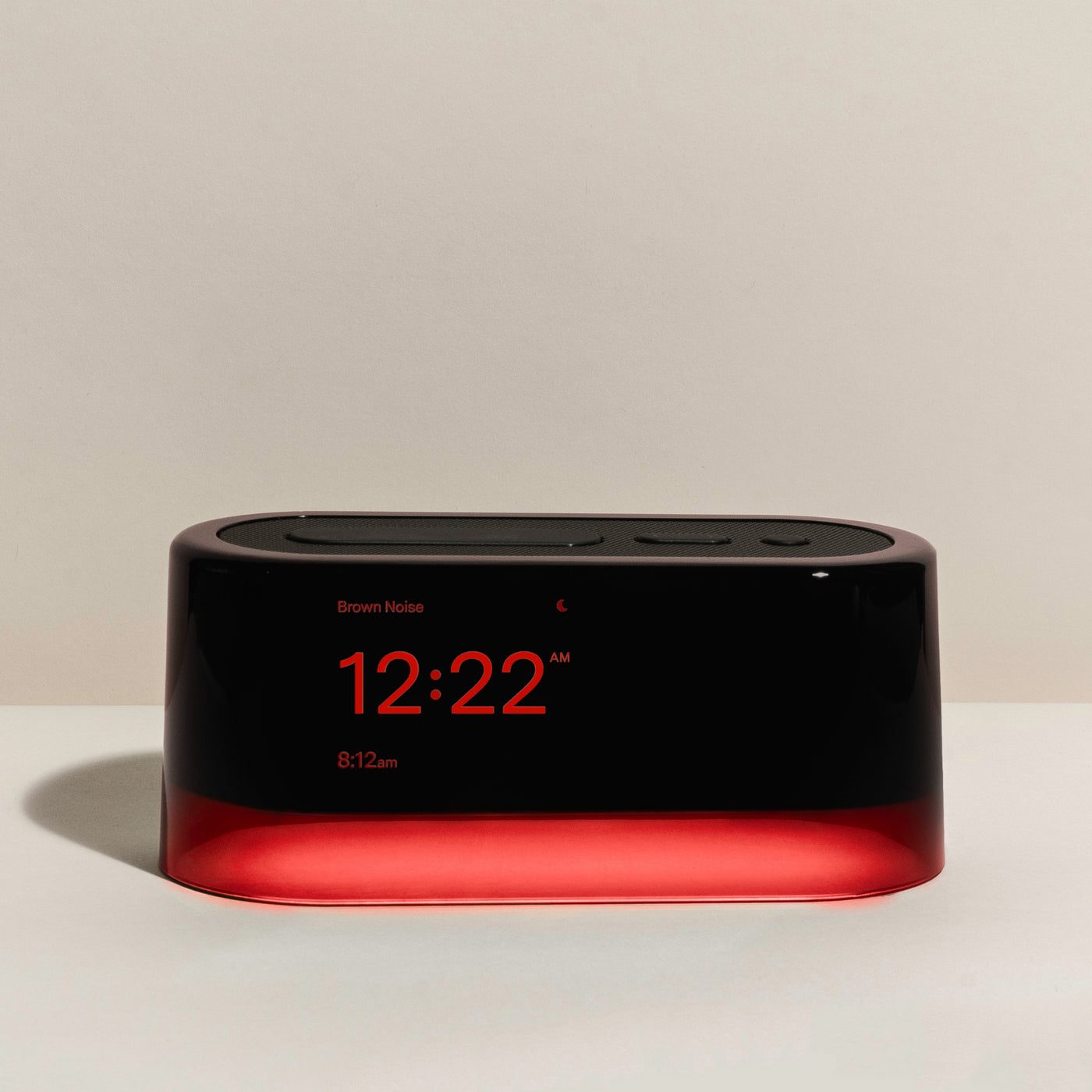
- Shock Clock MAX: a sleep and wake device with a backlit display.
- Pavlok Ring and accessories: a ring form factor, plus sports and mesh bands, chargers, strap locks and a Dream sleep mask.
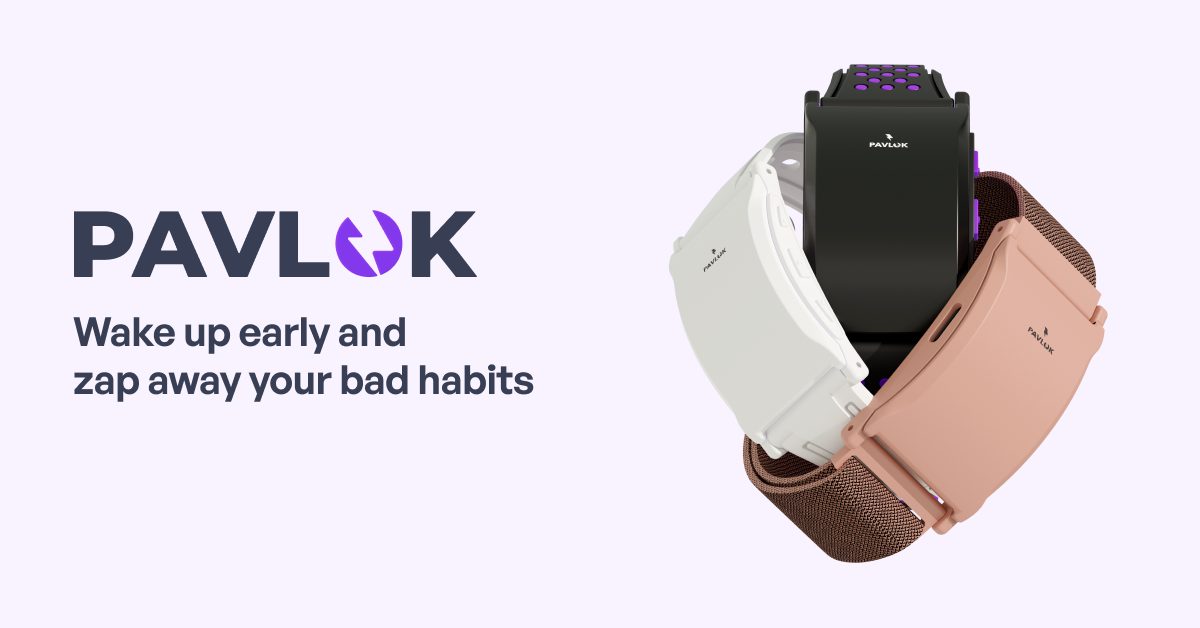
The Pavlok 3 sports version comes in a silicone band (Pearl White or Obsidian Black) or a metallic mesh band (Obsidian Black, Aegean Silver or Rose Gold).
See Pavlok's current range
Alarm features: where Pavlok shines
For many buyers, waking up is the most practical use. Shock Clock mode can escalate from vibration to zap, and extra modes make it harder to cheat. QR scan mode requires you to get up and scan a code placed elsewhere in the room, and Jumping Jack mode stops only after you have moved. Sleep tracking can time alarms to a lighter sleep phase.
Power users can link the band to IFTTT, Zapier, Tasker on Android and a Chrome extension that can nudge you when you visit distracting websites. There is also a public API.
Pricing and plans
Pavlok's pricing has changed over time. The Pavlok 3 Pro has been listed at $219 at full price and much lower during promotions, with third-party listings seen around $115 to $125. More recently, Pavlok's own site promotes monthly plans, with the Shock Clock 3 from about $19 a month and the Pavlok 3 Pro at about $29.99 a month, alongside upgrades such as an AI coach and community challenges.
Before buying, check whether you are paying once or committing to a plan, and what happens if you cancel. Promotions have advertised a 30-day money-back guarantee and free shipping, and the store runs a dedicated returns and replacements process.
Getting more from a Pavlok
Buyers who report the best results tend to treat the band as a prompt for awareness rather than a punishment machine. A few practical habits make a difference:
- Pick one habit at a time. Trying to break snacking, scrolling and snoozing in the same week dilutes the signal.
- Start with vibration. Many people find a buzz is enough to break the autopilot, and the zap can be reserved for slips that keep repeating.
- Log what triggered the habit. Reviewers note that the pause created by the band encourages honest reflection, which is where real change often starts.
- Replace, do not just remove. Decide in advance what you will do instead, such as a glass of water instead of a snack, or a short walk instead of scrolling.
- Put the alarm across the room. If you use QR mode, place the code somewhere that forces you out of bed.
Give it a few weeks. If the band is not helping after a month of consistent use, it probably is not the right tool for that particular habit.
Who it suits, and who should not use it
Pavlok suits motivated adults who want a strong, physical reminder and who are comfortable with an aversive cue. Heavy sleepers and people who share a bed often get the most immediate value from the alarm features.
It is not a good fit for anyone with a pacemaker or other implanted device, a heart condition or epilepsy, or for use during pregnancy, unless a doctor has approved it. It is also not a treatment for addiction, compulsive disorders or body-focused repetitive behaviors, which deserve professional support. If you find yourself zapping out of frustration or self-punishment, stop and step back.
On compatibility, older reviews note that Samsung Galaxy A10 phones and A-series tablets are not supported, so check your device first.
Our verdict
Pavlok is a niche but genuinely useful tool for the right person, particularly as a silent, hard-to-ignore alarm. The hardware has improved, with better Bluetooth pairing and waterproofing than earlier versions. We rate it fairly rather than highly because the evidence is indirect and the pricing model is less clear than it should be. Pair it with a simple habit plan and you are more likely to see results.
Pavlok products at a glance
| Product | What it is | Price |
|---|---|---|
| Pavlok 3 Pro | Habit wearable with adjustable zap, vibration, chime, three programmable buttons and sleep tracking. | $219 list; about $29.99/month on plan |
| Shock Clock 3 | Silent wrist alarm that wakes you with vibration or a zap, with anti-snooze modes. | from about $19/month |
| Shock Clock MAX | Sleep and wake device with a backlit display. | — |
| Pavlok Ring | A ring form factor added to the Pavlok range. | — |
| Bands and accessories | Sports, mesh and locking bands, chargers, a watch clip and a sleep mask. | — |
Prices as listed on the brand's site at the time of our research and may change. Check the store for current pricing.
Pavlok FAQs
Does the Pavlok zap hurt?
It is designed to be a short, uncomfortable jolt rather than a painful shock, and the intensity is adjustable in the app. Most people start low and increase only if needed.
Is there scientific evidence that Pavlok works?
Pavlok cites research on aversion therapy in general, but those studies did not test the Pavlok device itself. Results depend heavily on motivation and how consistently you use it.
How long does the battery last?
Expect around a week or more per charge for the Pavlok 3, with some listings claiming up to 10 days depending on use.
Can I wear Pavlok with my smartwatch?
Yes. It can be worn alone or alongside an Apple Watch, Android smartwatch or analog watch.
Who should not use Pavlok?
People with pacemakers or other implanted electronics, heart conditions or epilepsy, and those who are pregnant, should talk to a doctor first. It is not a substitute for treatment for addiction or compulsive disorders.
Heavy sleepers and highly motivated habit-changers who want a physical cue
Disclosure: InhouseHeal may earn a commission if you buy through links on this page. Our score is based on research of the brand's products, evidence, pricing and policies. How we review.