Apollo Neuro is one of the most polished stress-relief wearables, using soft, rhythmic vibrations that you feel rather than hear. It is easy to use, discreet and drug-free, and the company has gathered large real-world sleep data. It is also expensive, needs an ongoing membership after the first year and works best with consistent use, so take advantage of the 30-day refund window.
What we like
- Gentle, silent vibrations that work while you get on with your day
- Wear on wrist or ankle, or clip to clothing
- Several modes for calm, focus, energy, recovery, social settings and sleep
- Developed by physicians and neuroscientists, with a large real-world sleep dataset
- One-year warranty and a 30-day refund window
Keep in mind
- High upfront price, plus a membership after the first year
- Much of the published data comes from the company's own analyses
- Results vary and usually need consistent use over weeks
- Some people find vibration distracting or need time to find the right settings
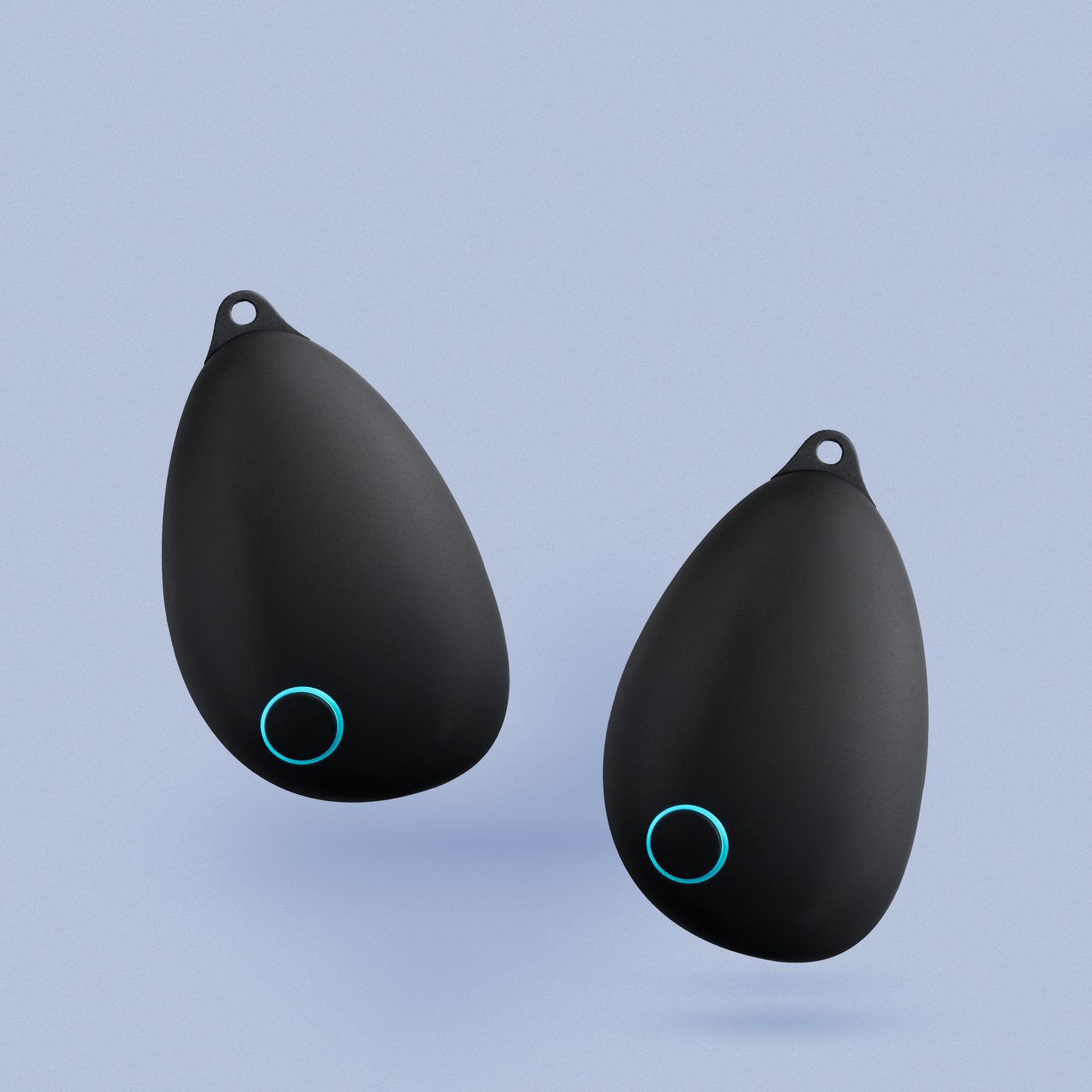
Most stress tools ask something of you: breathe this way, sit for ten minutes, open an app. Apollo Neuro takes a more passive approach. It is a small wearable that delivers soft, rhythmic vibrations to the skin, with patterns designed to feel soothing in the way a hand on your shoulder or slow music can be.
The idea is that these gentle sensations can encourage the nervous system to shift away from fight-or-flight and toward rest. We looked at how the device works, what the research says, what it costs and who is likely to benefit.
The thinking behind Apollo
Apollo was co-founded by psychiatrist and neuroscientist Dr. David Rabin and developed with physicians and neuroscientists. The company calls its technology SmartVibes: low-frequency vibration patterns intended to signal safety to the brain, supporting the parasympathetic, rest-and-digest side of the nervous system.
That is a different mechanism from the electrical vagus nerve stimulators in this category. Apollo does not send current through the skin. It relies on touch, which makes it one of the gentler, lower-risk options for people curious about nervous-system tools.
Modes and how you use it
You choose a mode in the app depending on what you need, and can adjust intensity and duration or schedule sessions in advance. The current lineup centers on Calm, Focus, Energy, Recovery, Social and Sleep, and earlier versions described modes such as Relax and Unwind, Clear and Focused, Meditation and Mindfulness, and Sleep and Renew.
- Morning: an energy mode in place of a second coffee.
- Workday: focus or calm modes running quietly during meetings or deep work.
- Evening: recovery or sleep modes as you wind down, or overnight with the sleep band.
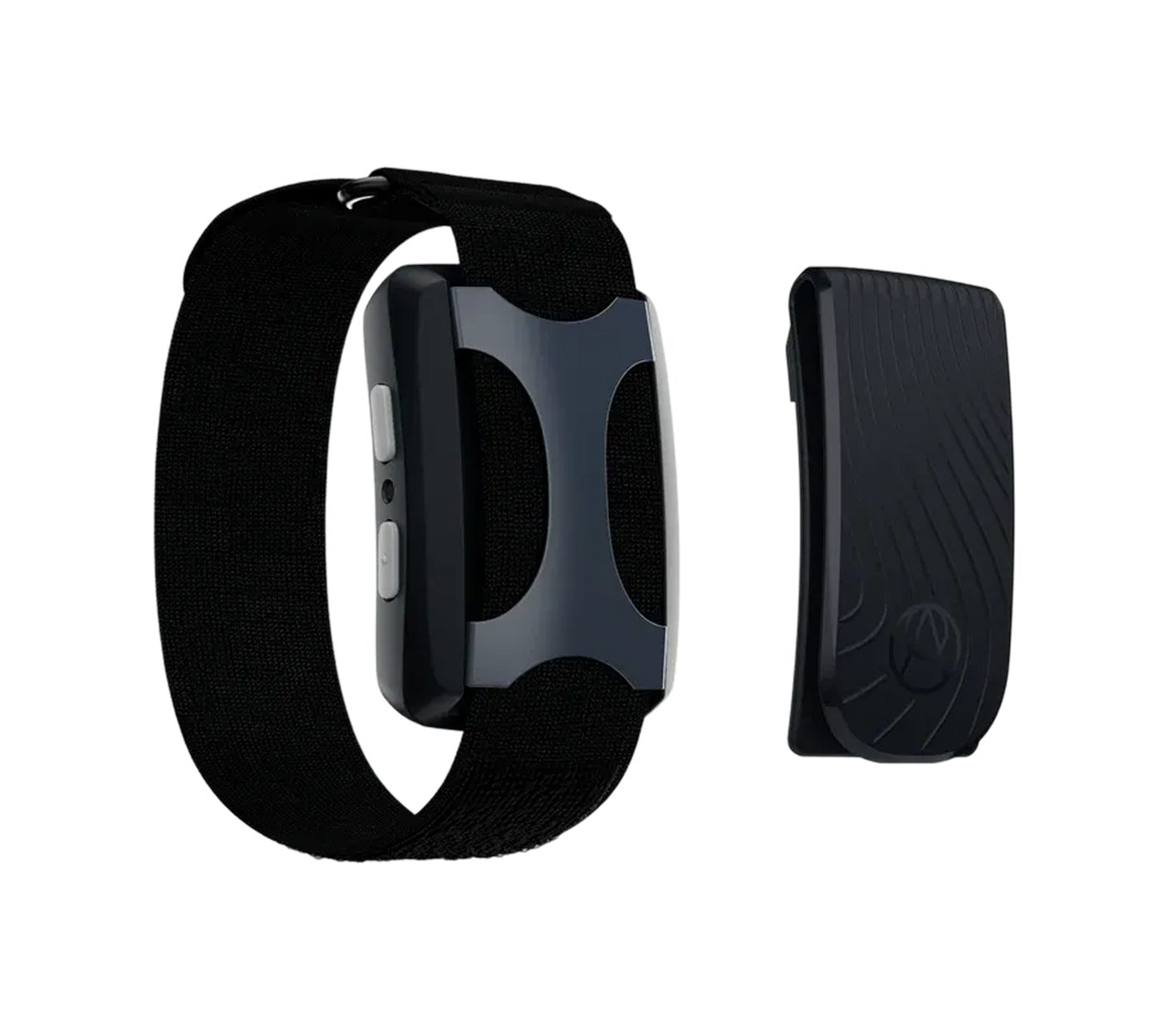
The device is designed to be worn on the wrist or ankle, or clipped to clothing with the Apollo Clip. An Apollo Sleep Band is available for overnight wear.
New users often make the mistake of switching modes constantly. A better approach is to pick a simple daily schedule, for example energy after waking, calm during your most stressful hours and sleep in the last hour before bed, and let the app run it automatically for two weeks. Keep the intensity just high enough to notice; the vibrations are meant to sit in the background, not demand attention.
See Apollo Neuro's current range
What the research shows, and its limits
Apollo points to a large analysis with Oura covering 474,852 nights from 935 people over three years. In that dataset, Apollo use was associated with about 46 minutes more sleep per night, a 77% lower likelihood of sleeping under six hours, and more REM sleep while preserving deep sleep. The brand describes this as the largest real-world sleep study of its kind, and says independent research has been carried out with partners including the University of Pittsburgh.
These are encouraging numbers, but they come from observational, company-reported analyses rather than large independent clinical trials. People who choose to wear a stress device consistently may also be doing other things that improve their sleep. Our take: the evidence is promising and the risk is low, but individual results vary.
Price, membership and battery
Apollo now sells the wearable as a bundle with a one-year SmartVibes AI membership for $448, with the membership described as a $99 value. A membership is required to use the wearable, so budget for renewal after the first year. Older pricing put the device alone at around $349, and promotions and discount codes appear regularly.
Battery life is rated at about eight hours of continuous use, which covers a typical workday or a night, so most people charge daily. Shipping is free, and the warranty is one year, with extended cover available at checkout.
Refunds and fine print
You have 30 days from delivery to request a full refund. Shipping costs are deducted, and import duties and fees on non-US orders are not refundable. That window is enough to get a feel for the device, but only if you use it every day, so plan to start right away rather than leaving it in the box.
To give it a fair test, pick one or two modes, use them at the same times each day and keep a quick note of how you feel and sleep. If you also wear a sleep tracker, compare a week before and a few weeks after starting.
Who it suits, and how it compares
Apollo suits busy professionals, parents and anyone who wants support with stress, focus or sleep without medication or a demanding new habit. It is also a sensible first device for people who are curious about nervous-system tools but wary of electrical stimulation.
Compared with Sensate, which you lie down with for 10 to 30 minutes, Apollo works in the background throughout the day. Compared with electrical vagus nerve stimulators such as Pulsetto and Truvaga, it is gentler but less direct. Those devices deliver current to the neck in short sessions and carry more contraindications.
Our verdict
Apollo Neuro is a well-designed, low-risk stress tool with an easy learning curve and a large, if company-led, body of real-world data. The cost of the bundle and the ongoing membership keep it from a higher rating. If you like the idea of a quiet, wearable nudge toward calm and are willing to use it consistently for a month, it is worth trying within the refund window.
Apollo Neuro products at a glance
| Product | What it is | Price |
|---|---|---|
| Apollo Wearable + SmartVibes AI Membership | Vibration wearable bundled with a one-year membership needed to use it. | $448 |
| Apollo Sleep Band | Band for comfortable overnight wear on the wrist or ankle. | — |
| Apollo Clip | Clip for wearing Apollo on clothing instead of the wrist or ankle. | — |
| SmartVibes membership renewal | Ongoing membership required after the first included year. | about $99 value per year |
Prices as listed on the brand's site at the time of our research and may change. Check the store for current pricing.
Apollo Neuro FAQs
How does Apollo Neuro work?
It delivers gentle, rhythmic vibrations to the skin. The company says these patterns help signal safety to the nervous system, supporting relaxation, focus or sleep depending on the mode.
Does Apollo Neuro need a subscription?
Yes. The wearable requires a SmartVibes membership. The current bundle includes the first year, so plan for a renewal after that.
How long does the battery last?
Apollo rates it for about eight hours of continuous use, so most people charge it daily.
Is Apollo Neuro safe?
It uses vibration rather than electrical current, which makes it a low-risk option for most adults. If you have a medical condition or implanted device, check with your doctor.
Can I return Apollo if it does not help?
You can request a full refund within 30 days of delivery, minus shipping costs. Import duties on non-US orders are not refundable.
Busy adults who want a drug-free, low-effort cue to downshift during the day and at night
Disclosure: InhouseHeal may earn a commission if you buy through links on this page. Our score is based on research of the brand's products, evidence, pricing and policies. How we review.