Stress relief devices have become one of the fastest-growing corners of wellness tech. They fall into two broad groups: devices that use gentle vibration and sound, and devices that deliver mild electrical stimulation to the vagus nerve through the skin of the neck. Both aim to nudge the body away from fight-or-flight and toward rest.
The evidence is promising but still developing, and much of it comes from the companies themselves. That makes trial periods, safety cautions and realistic expectations especially important. We compared the leading options on design, ease of use, cost and policies to help you choose.
- Apollo Neuro — Best all-day stress wearable
- Sensate — Best for people who struggle to meditate
- Pulsetto — Best hands-free vagus nerve stimulator
- Truvaga — Best for quick two-minute resets
- Ultrahuman — Best for tracking your stress response
- Open — Best low-cost option
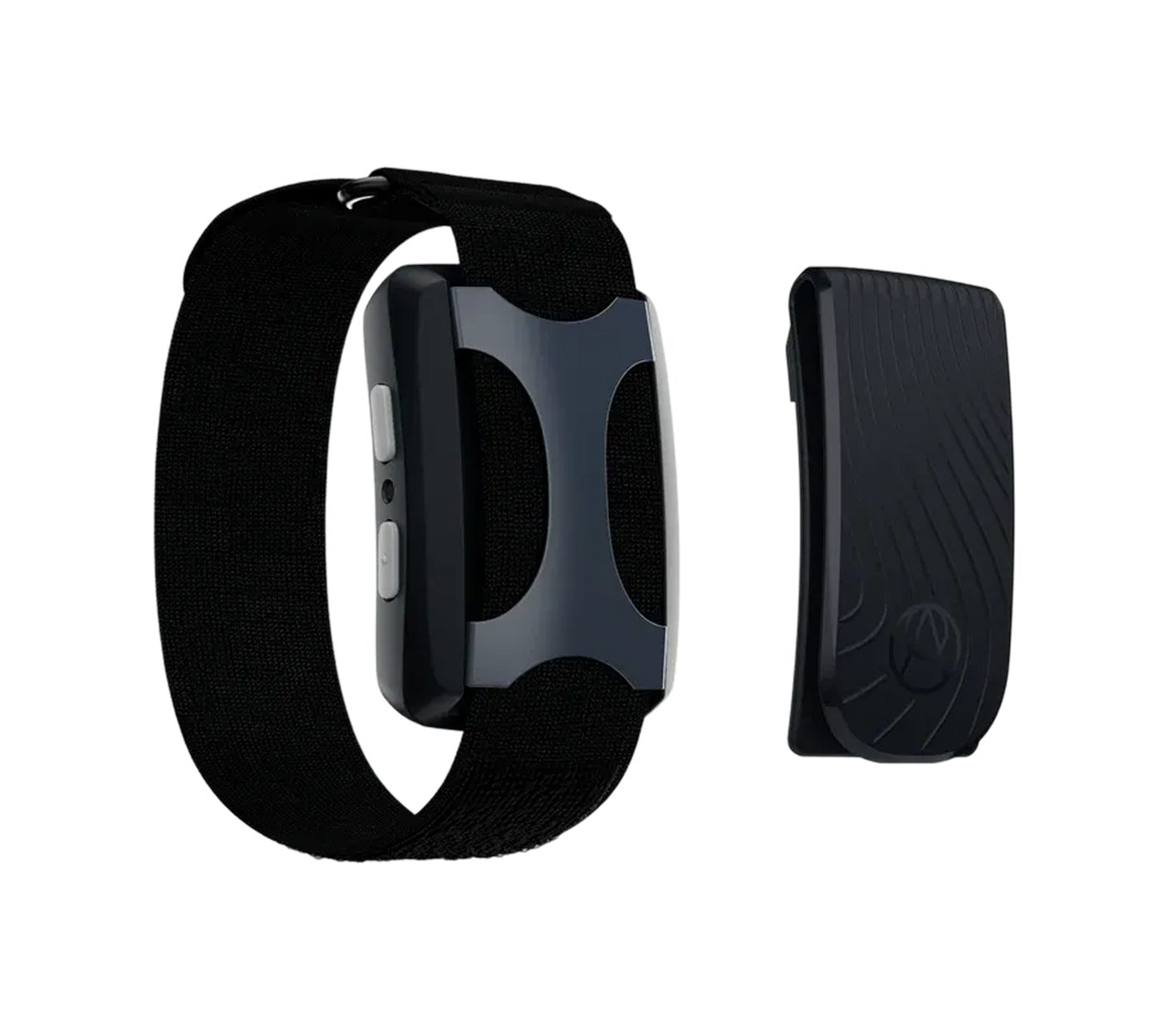
Apollo Neuro
Apollo Neuro delivers soft, silent vibration patterns from your wrist, ankle or clothing while you get on with your day, with modes for calm, focus, energy, recovery and sleep. It uses touch rather than electrical current, so it suits a wide range of people. The $448 bundle includes the first year of the required membership.
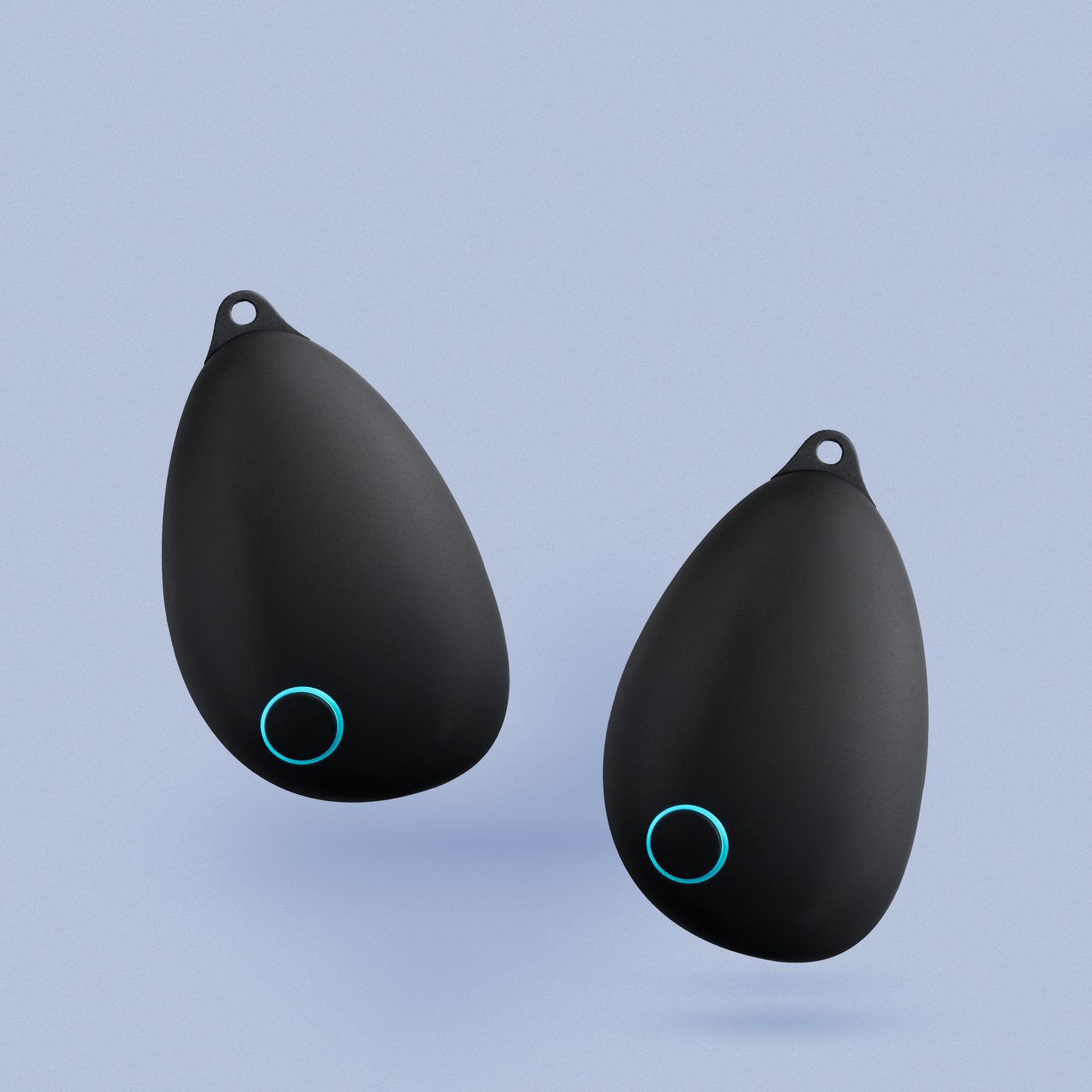
Sensate
Rest Sensate on your chest, choose a soundscape and let vibration and audio guide you through a 10 to 30 minute session. There is almost no learning curve, the Single works without a subscription, and a 90-day money-back guarantee is the most generous in this group.

Pulsetto
Pulsetto's soft collar sits around your neck while the app runs stress, sleep, anxiety, burnout or focus programs of about 4 to 10 minutes. Five core programs are free, and it comes with a 30-day trial and a two-year warranty. Budget for conductive gel.
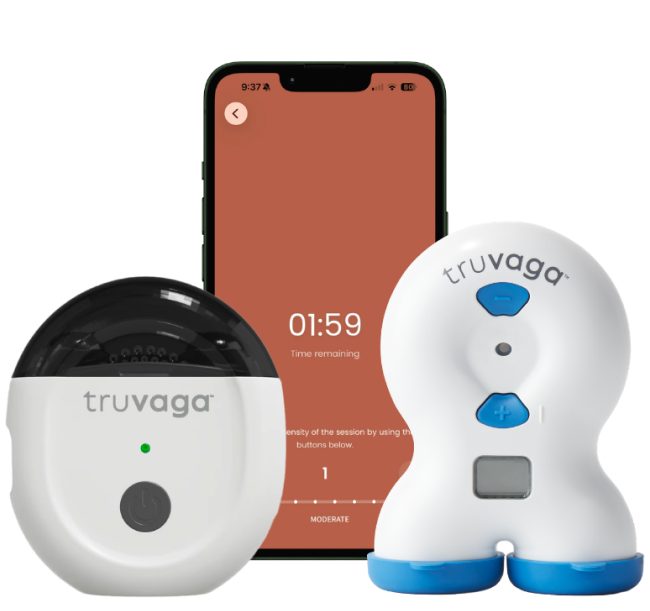
Truvaga
From electroCore, a company with a background in prescription neuromodulation, Truvaga's handheld device delivers two-minute sessions at the side of the neck. Choose the rechargeable, app-connected Plus or the simple, app-free 350. It carries a 30-day money-back guarantee.

Ultrahuman
A device that measures stress can be as useful as one that relieves it. Ultrahuman's ring tracks heart rate variability, sleep and recovery without a membership, so you can see whether a new routine or device is actually helping.
Open
If you would rather not buy hardware, Open's live and on-demand breathwork and meditation classes are the most affordable route, at about $20 a month or $150 a year after a free trial. Slow breathing is a well-established way to engage the body's relaxation response.
Vibration vs electrical stimulation
The biggest decision is the type of stimulation. Vibration and sound devices, such as Apollo Neuro and Sensate, use touch-based patterns that many people find soothing. They are low risk and suitable for most adults, though their effects tend to be gentle and cumulative.
Transcutaneous vagus nerve stimulators, such as Pulsetto and Truvaga, send mild electrical pulses through the skin of the neck. Sessions are short and the effect can feel more direct, but they need conductive gel or spray and carry more contraindications. They are not suitable for people with pacemakers or other implanted electronic devices, and anyone with heart conditions, a seizure history, low blood pressure or pregnancy should get medical advice first.
How to choose the right device
- When will you use it? Apollo works in the background all day; Sensate and Pulsetto need you to sit or lie down; Truvaga takes two minutes anywhere.
- What is the total cost? Check memberships (Apollo requires one after the first year) and consumables such as gel (Pulsetto, Truvaga).
- How long is the trial? Sensate offers 90 days; Apollo, Pulsetto and Truvaga offer 30. You need several weeks of consistent use to judge results.
- Are you medically cleared? If you have any doubt about electrical stimulation, start with a vibration-based device or breathwork.
Reading the evidence with a clear head
Research on vagus nerve stimulation and touch-based calming is active, and some studies suggest effects on heart rate variability, stress markers and sleep. But many of the headline numbers on product pages come from company-run analyses or user surveys without control groups. That does not mean the devices do not work. It means individual results vary and expectations should be modest.
A practical approach is to measure your own response. Track sleep and heart rate variability with a wearable for a week before you start, use the device consistently for three to four weeks, and compare. If you see no change, use the trial to return it.
Also look at who is behind a device. Brands with medical device experience, published warranty terms, clear contraindication lists and realistic marketing tend to be more trustworthy than those promising dramatic results in days. Be cautious of any product that claims to cure anxiety, insomnia or burnout.
Devices work best with the basics
No gadget replaces sleep, movement, daylight, social connection and time away from screens. Slow breathing with longer exhales, short walks and a consistent bedtime are free and effective. Devices can make those habits easier to keep, but if stress, anxiety or low mood are affecting your daily life, speak with a doctor or mental health professional. These products are wellness tools, not treatments.
A simple starter routine costs nothing: two minutes of slow breathing on waking, a ten-minute walk outdoors at lunchtime and a screen-free half hour before bed. Add a device once that routine is in place, and it is much easier to tell what the device itself contributes.
FAQs
Do stress relief devices actually work?
Many users report feeling calmer and sleeping better, and early research is promising, but much of the data comes from the companies themselves. Use trial periods and track your own response.
Is vagus nerve stimulation safe?
Consumer devices are generally low risk for healthy adults, but they are not suitable for people with pacemakers or implanted devices, and anyone with heart conditions, a seizure history, low blood pressure or pregnancy should consult a doctor first.
What is the difference between Pulsetto and Truvaga?
Pulsetto is a hands-free collar with app-guided sessions of about 4 to 10 minutes. Truvaga is handheld, with two-minute sessions, and comes in an app-connected rechargeable model or a simpler app-free model.
Which stress device is best for beginners?
Vibration-based options such as Apollo Neuro or Sensate are the easiest and lowest-risk starting points. A breathwork app is the cheapest.
Can a stress device replace therapy or medication?
No. These are general wellness tools. Do not stop prescribed treatment without talking to your doctor, and seek professional help if stress or anxiety feels unmanageable.
Disclosure: InhouseHeal may earn a commission if you buy through links in this guide. Picks are based on our research of each brand's products, evidence, pricing and policies.