Most sleep problems come down to a few familiar culprits: light, noise, temperature, an irregular routine or a breathing issue that has never been checked. The best sleep gadget for you is the one that targets your specific culprit, not the most expensive or most talked-about device.
We researched dozens of sleep brands and narrowed the field to tools with clear designs, honest policies and a sensible price for what they do. Start by identifying what wakes you or keeps you awake, then use the picks below to match a tool to the problem.
- Hatch — Best sunrise alarm clock
- Manta Sleep — Best sleep mask
- Ozlo Sleep — Best for noisy bedrooms
- Chilipad by Sleepme — Best bed cooling system
- Orion Sleep — Best for couples who want sleep data
- Loftie — Best design-led alarm clock
- Ultrahuman — Best smart ring for sleep tracking
- SleepOn — Best budget overnight oxygen tracker

Hatch
Hatch Restore 3 ($169.99) combines a gentle sunrise, a soothing sunset and more than 60 sleep sounds with buttons on the clock, so your phone can finally leave the bedroom. Core features work without a subscription, and it comes with a 30-day trial and one-year warranty.
Manta Sleep
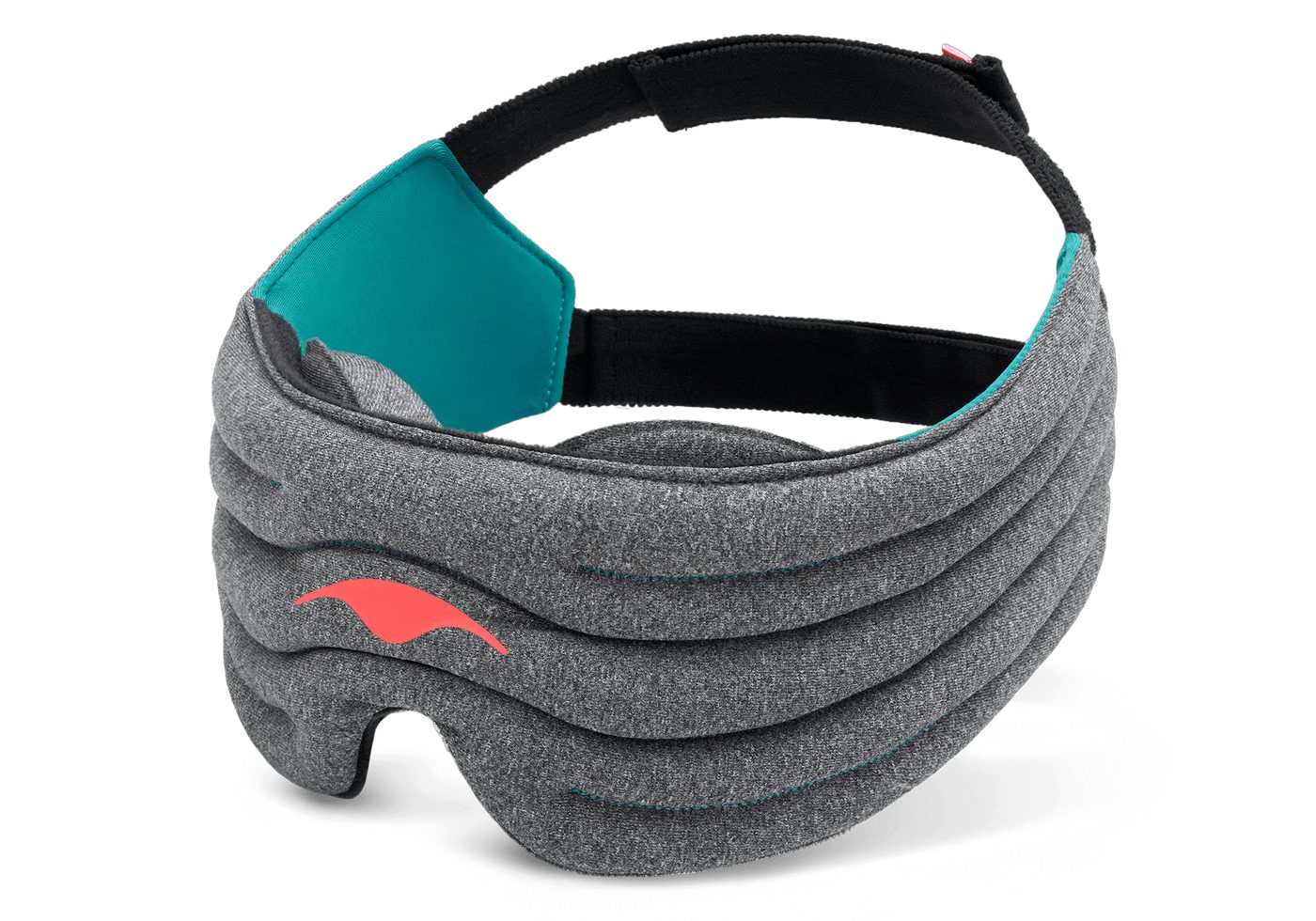
Manta's contoured eye cups block light without pressing on your eyes or lashes, and they slide to fit your face. The $39 Original is a low-risk starting point, the $85 PRO suits side sleepers, and a 60-day guarantee backs the range.

Ozlo Sleep
Built by former Bose engineers, Ozlo Sleepbuds 2 ($279) are slim enough for side sleeping, last up to 14 hours and mask snoring and street noise with soft audio. You can stream your own content and set a private alarm that will not wake a partner.
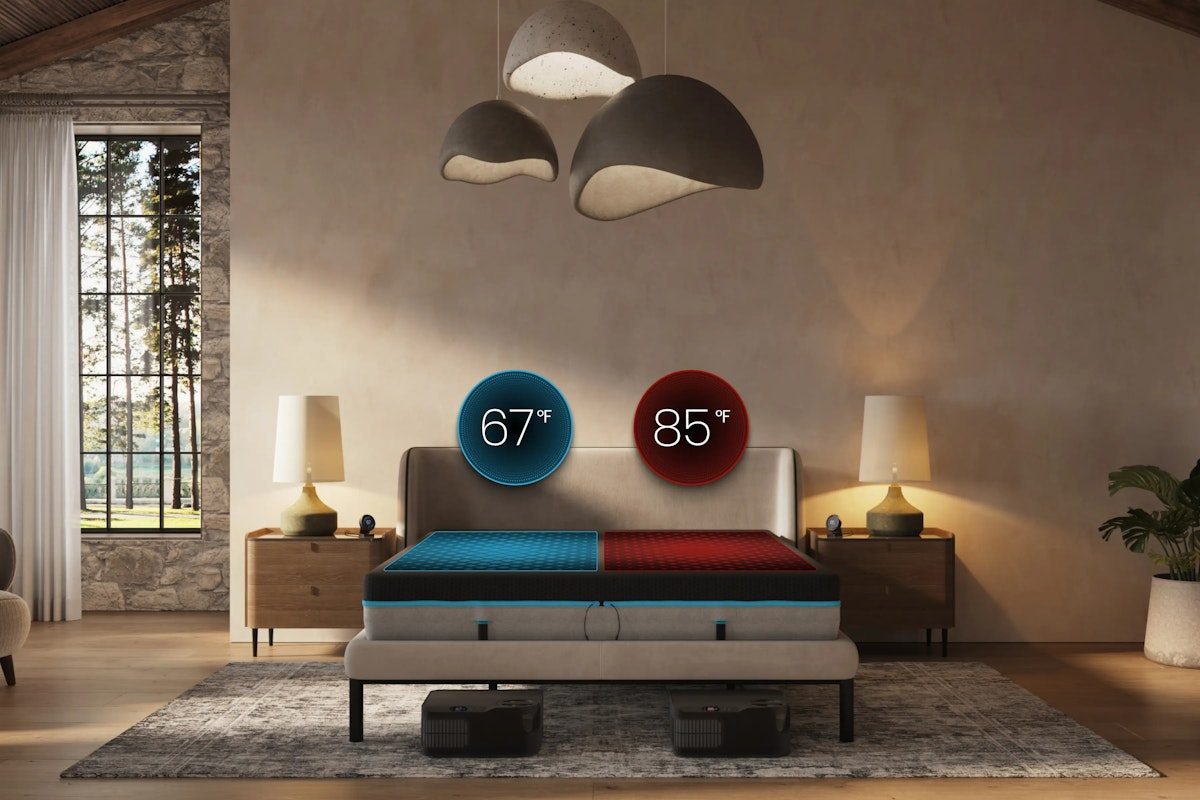
Chilipad by Sleepme
Chilipad's water-based pads cool to 55°F and warm to 115°F, with dual-zone versions so each partner sets their own temperature. Prices start at $1,599, and financing and HSA/FSA eligibility help with the cost.

Orion Sleep
Orion's Smart Cover fits over your existing mattress and heats or cools each side from about 50°F to 113°F. An optional plan adds sleep tracking without a wearable, and a $25 sleep test helps you decide whether temperature is really the issue.
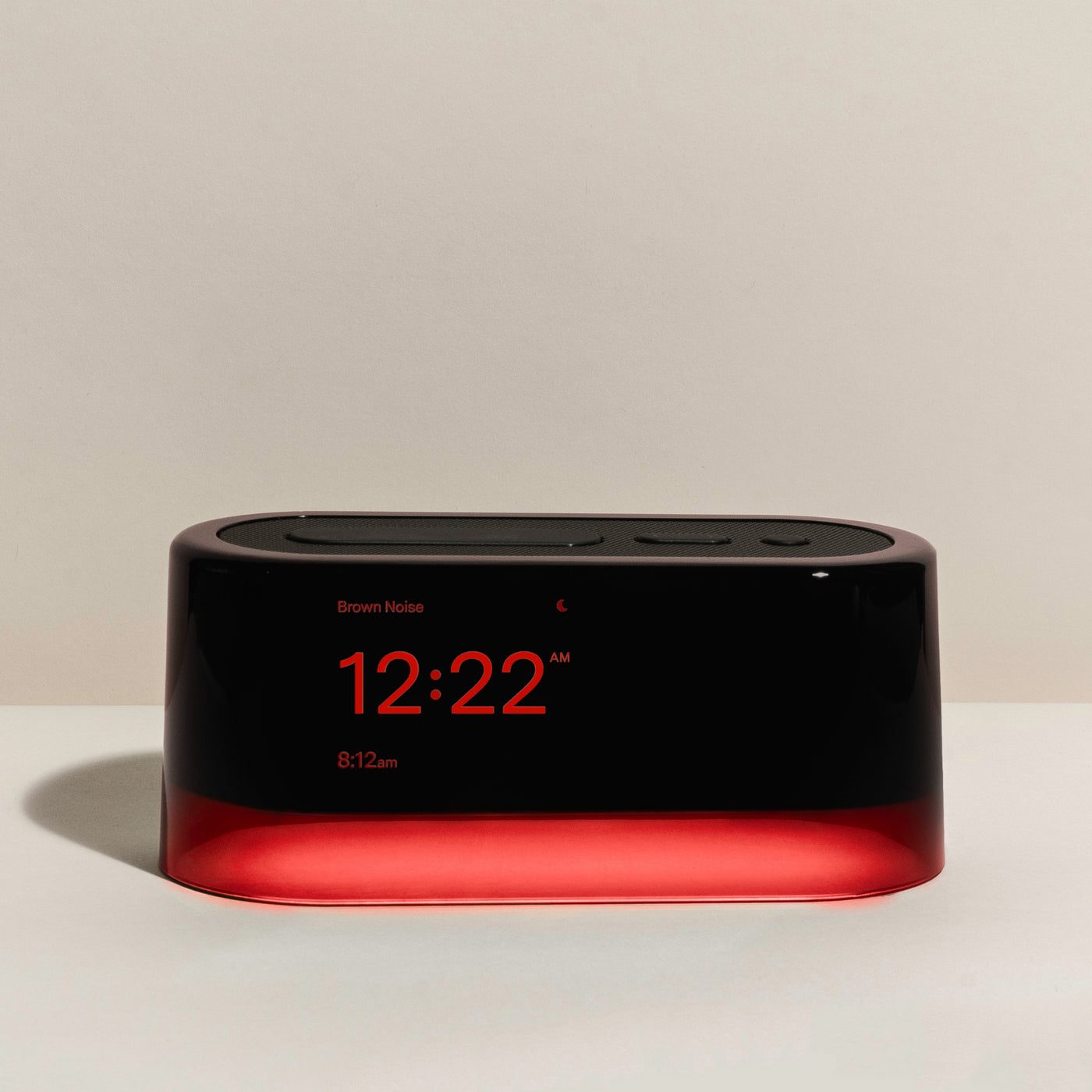
Loftie
The Loftie Clock ($199.99) wakes you in two phases and includes more than 100 free audio tracks, from white noise to sleep stories. Add the Loftie Lamp for sunrise light; buying both together takes 20% off each.

Ultrahuman
Ultrahuman's Ring AIR ($349) tracks sleep stages, heart rate variability and skin temperature in a 2.4 g titanium ring, with no membership needed to see your data. The Ring PRO adds up to 15 days of battery.
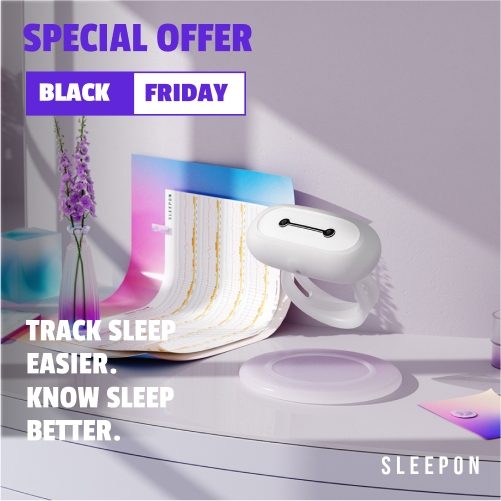
SleepOn
SleepOn's Go2sleep 3 is worn on a finger only at night and records blood oxygen dips, heart rate and sleep stages, with exportable reports and no subscription. It is a useful early-warning tool to bring to a doctor if you snore.
Start with the problem, not the product
Before buying anything, spend a week noting what disrupts your sleep. The pattern usually points to the right tool:
- Early light or a bright room: a contoured blackout mask such as Manta, or blackout curtains.
- Snoring partners or street noise: sleep earbuds such as Ozlo, earplugs or a sound machine.
- Waking hot or cold: a temperature-controlled pad from Chilipad or Orion, or simpler breathable bedding first.
- Scrolling in bed or harsh alarms: a phone-free clock from Hatch or Loftie.
- Loud snoring, gasping or daytime exhaustion: talk to a doctor about a sleep test rather than buying another gadget.
Fix the biggest disruption first. Stacking several tools at once makes it hard to know what helped.
How to compare sleep gadgets
A few questions separate good sleep tools from expensive drawer clutter.
- Is there a real trial? Sleep changes take weeks to judge. Look for 30-night trials or longer guarantees, such as Manta's 60 days.
- What is the true cost? Check for subscriptions. Hatch, Ultrahuman, Loftie and Orion all keep core features free, with optional paid extras.
- Does it fit your bedroom? Cooling systems need floor space and an outlet; clocks and lamps may need 2.4 GHz Wi-Fi for setup.
- Will you use it nightly? The simplest tool you will actually use beats a sophisticated one you abandon after a week.
- How is the data presented? Trackers should show trends you can act on, not just scores.
Trackers: useful, with limits
Sleep trackers can be motivating, but treat their numbers as estimates. Consumer devices are reasonably good at total sleep time and heart rate trends and less precise at sleep stages. Use them to test changes, such as an earlier bedtime, less alcohol or a cooler room, and watch the trend over several weeks.
Oxygen data deserves special attention. If a finger tracker or ring repeatedly shows oxygen dips, do not self-diagnose. A physician-reviewed home sleep test, such as those arranged by Lofta, is the right next step for suspected sleep apnea.
Free fixes to try alongside any gadget
Gadgets work best on top of good basics. Keep a consistent wake time, including weekends. Get daylight early in the day and dim the lights in the evening. Keep the bedroom cool, dark and quiet, cut caffeine after early afternoon and give yourself 30 to 60 minutes of wind-down without screens. If you still struggle after a few weeks of steady habits, speak with a doctor: cognitive behavioral therapy for insomnia is highly effective and does not require any equipment.
FAQs
What is the single best sleep gadget?
It depends on your main problem. For light, a contoured blackout mask; for noise, sleep earbuds; for temperature, a cooling pad; for a phone habit, a sunrise alarm clock. Start with the issue that wakes you most often.
Are expensive bed cooling systems worth it?
They can be for hot sleepers, people with night sweats and couples who disagree on temperature. Try cheaper fixes first, such as breathable sheets and a cooler room, and use the trial period if you do buy one.
Do sunrise alarm clocks actually help?
Many people find that gradual light makes waking feel less abrupt, especially on dark mornings. They also help keep phones out of the bedroom, which can improve wind-down.
Can a sleep tracker diagnose sleep apnea?
No. Trackers can flag patterns such as oxygen dips that are worth discussing with a doctor, but sleep apnea is diagnosed with a medical sleep test.
Are sleep earbuds safe to wear all night?
Generally yes for most people, if you keep the volume low and clean the tips regularly. Stop if you notice ear pain or irritation.
Disclosure: InhouseHeal may earn a commission if you buy through links in this guide. Picks are based on our research of each brand's products, evidence, pricing and policies.