A good daily supplement routine is usually shorter than people expect. For most adults, it means filling one or two genuine gaps, such as vitamin D, omega-3s or a nutrient your diet lacks, with products you can trust to contain what the label says. The challenge is that supplement quality varies widely, and marketing rarely tells you which brands test their products, disclose their doses or design formulas around real needs.
For this guide we looked at brands across multivitamins, probiotics, sports nutrition, children's vitamins and single-ingredient supplements, weighing transparency, testing, formulation quality, value and customer policies. These are the brands we would point a friend toward first, with a clear note on who each one suits.
- Ritual — Best multivitamin overall
- Seed Health — Best daily probiotic
- Momentous — Best for active adults and tested athletes
- Hiya Health — Best for kids
- CocoaVia — Best single-ingredient heart-health supplement
- JSHealth Vitamins — Best targeted formulas
- Pendulum — Best for metabolic health

Ritual
Ritual's Essential multivitamins focus on nutrients many people fall short on, using well-chosen forms such as methylated folate, chelated iron and algae-based omega-3 DHA. Ingredient sourcing is traceable, formulas are vegan and the range carries Clean Label Project certification. Life-stage options, including prenatal, postnatal and perimenopause, make choosing simple.
Seed Health
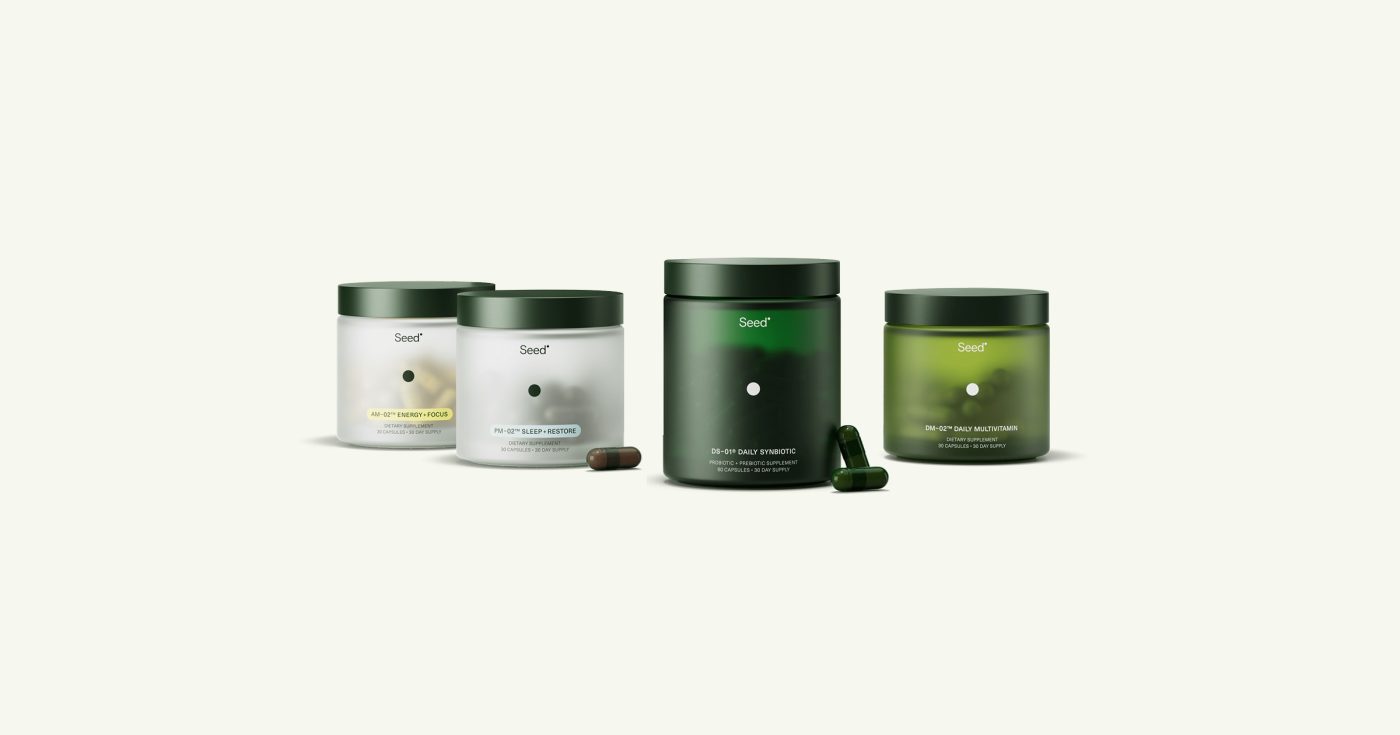
Seed's DS-01 Daily Synbiotic combines 24 named strains with a pomegranate-based prebiotic in a capsule-in-capsule design built to survive digestion. It is shelf-stable, ships in a refillable glass jar and is one of the most thoroughly explained probiotics on the market. The price is high, but the documentation is hard to match.
Momentous
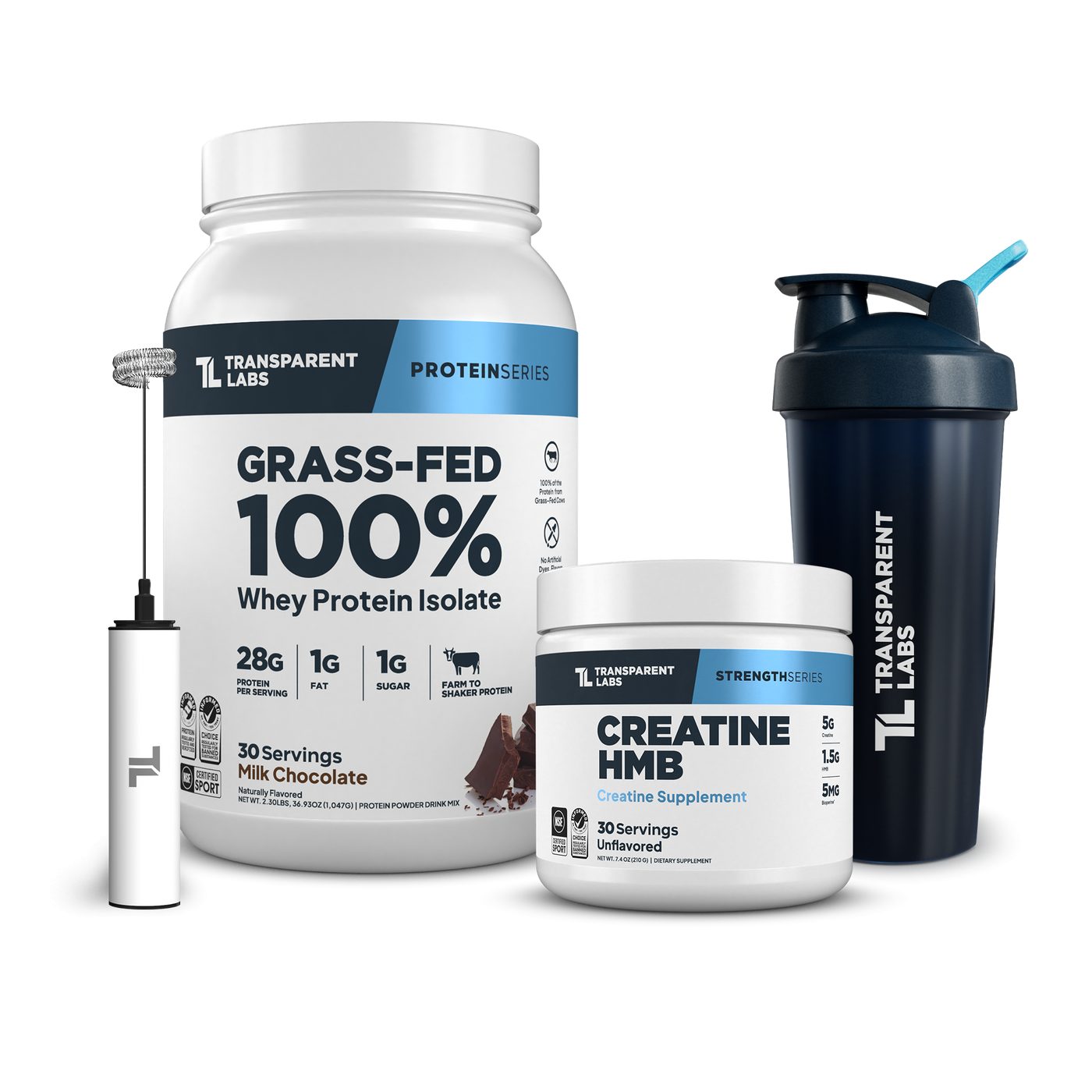
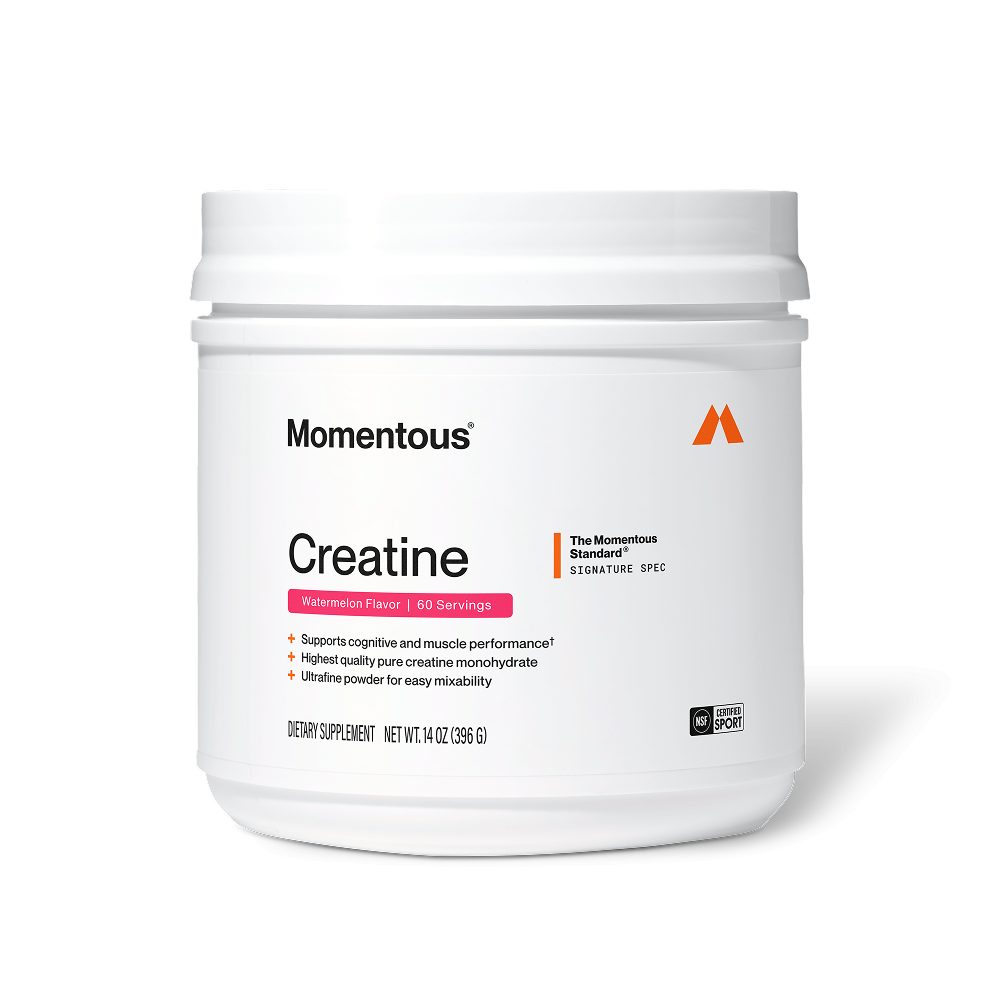
Momentous keeps to proven basics such as creatine, whey isolate, omega-3 and magnesium, and its products are third-party certified, with many carrying NSF Certified for Sport status. It is used by more than 150 pro and college teams, according to the brand, and Subscribe & Save takes 25% off.
Hiya Health
Hiya's chewable multivitamin has no added sugar or gummy additives, and the brand tests each batch for heavy metals, microbes and label accuracy. A reusable glass bottle and monthly refills make the routine easy, and multi-child pricing helps larger families.

CocoaVia
CocoaVia delivers a standardized dose of cocoa flavanols, the compounds studied in the large COSMOS trial, in capsules, powder or stick packs. It is backed by decades of research, costs roughly $1.60 to $1.80 a day and ships free.

JSHealth Vitamins
JSHealth Vitamins discloses doses clearly and uses specific ingredient forms across formulas for hair, magnesium, metabolism and digestion. Subscriptions save up to 25%. Some products are potent, so read labels carefully and check with a clinician where needed.

Pendulum
Pendulum develops its own next-generation strains, including live Akkermansia muciniphila, and its Glucose Control formula has been tested in adults with type 2 diabetes. Memberships ship free and products are HSA and FSA eligible. It complements, rather than replaces, medical care.
How to choose a daily supplement brand
Start with the gap, not the product. Think about what your diet regularly lacks, whether you have any known deficiencies from blood tests and what your doctor has suggested. Then look for brands that make it easy to judge quality:
- Clear doses. Labels should state the amount of each active ingredient. Large proprietary blends make it impossible to know whether a dose is meaningful.
- Sensible ingredient forms. Forms such as methylated folate, chelated minerals and vitamin D3 are often chosen for absorption or tolerance.
- Independent testing. Third-party certification or published certificates of analysis show that a brand checks its own products.
- Honest claims. Trustworthy brands use careful language such as supports or may help, rather than promising to cure or reverse conditions.
Once you know your goal, the brand choice becomes easier. A short multivitamin such as Ritual suits people filling everyday gaps, Momentous fits active adults who want certified basics, Hiya is built for children and single-ingredient specialists such as CocoaVia or Seed make sense when you have one specific aim. Matching the brand to the job is more useful than chasing the longest ingredient list.
What third-party testing really tells you
Supplements are not approved by the FDA before they go on sale, so independent testing is one of the best signals of quality. Certifications such as NSF Certified for Sport and Informed Sport screen for banned substances and verify label contents, which matters most for athletes in tested sports. Programs such as the Clean Label Project focus on contaminants like heavy metals and pesticides.
Brands that publish batch certificates of analysis, or provide them on request, offer another layer of transparency. A brand without any testing information is not necessarily unsafe, but you are taking more on trust. When a brand mentions testing, check what was tested, who did it and whether the certification covers the specific product you are buying, since many brands certify only part of their range.
Build a short routine and skip the rest
More supplements rarely mean better health. Taking several products at once raises cost, increases the chance of side effects and can lead you to double up on nutrients such as zinc, iron, vitamin A or magnesium. A practical approach is to choose one foundational product, such as a multivitamin or a targeted nutrient you know you need, and add a second only if there is a clear reason.
Give each new supplement several weeks before judging it, change one thing at a time and add up the totals across everything you take. If a product promises dramatic results, treat that as a reason for caution rather than excitement.
Subscriptions, pricing and value
Many leading brands sell mainly through subscriptions, often with a large first-order discount that reverts to full price later. Before you sign up, check the renewal price, how easy it is to pause or cancel and whether longer plans offer better value. Compare cost per day rather than cost per bottle, since serving sizes vary. And remember that the most expensive product is not automatically the best: a simple, well-tested supplement you take consistently is worth more than a premium one you forget.
Look at return policies too. Some brands offer 30- to 90-day money-back guarantees on first orders, while others treat all sales as final. A generous guarantee lowers the risk of trying something new, and it often signals a brand that is confident in its products.
When to talk to your doctor first
Speak with a doctor or pharmacist before starting supplements if you are pregnant or breastfeeding, take prescription medication, have kidney, liver, thyroid or heart conditions, or are buying for a child. Some common ingredients, including iron, iodine, berberine, high-dose magnesium and herbal extracts, can interact with medications or cause problems at the wrong dose. Supplements support a healthy diet and lifestyle; they do not diagnose, treat or cure disease.
FAQs
Do I need a daily multivitamin?
Not everyone does. People with varied diets may get most nutrients from food, but a multivitamin can help fill common gaps, especially for vegans, older adults, pregnant women and people with restrictive diets. A doctor can help you decide.
What is the most important thing to look for in a supplement brand?
Transparency. Look for clear doses on the label, independent third-party testing or certificates of analysis, and careful, realistic health claims.
Are expensive supplements better?
Not necessarily. Price often reflects branding, packaging and ingredient choices. Compare doses, ingredient forms and testing, and focus on products you will take consistently.
Can I take several supplements together?
Often, yes, but check for overlapping nutrients and possible interactions, especially if you take medication. Starting one product at a time also makes it easier to tell what is helping.
How long does it take for supplements to work?
It depends on the product. Some effects, such as correcting a deficiency, can take weeks to months. Give a supplement several weeks of consistent use before deciding whether it is worthwhile.
Disclosure: InhouseHeal may earn a commission if you buy through links in this guide. Picks are based on our research of each brand's products, evidence, pricing and policies.