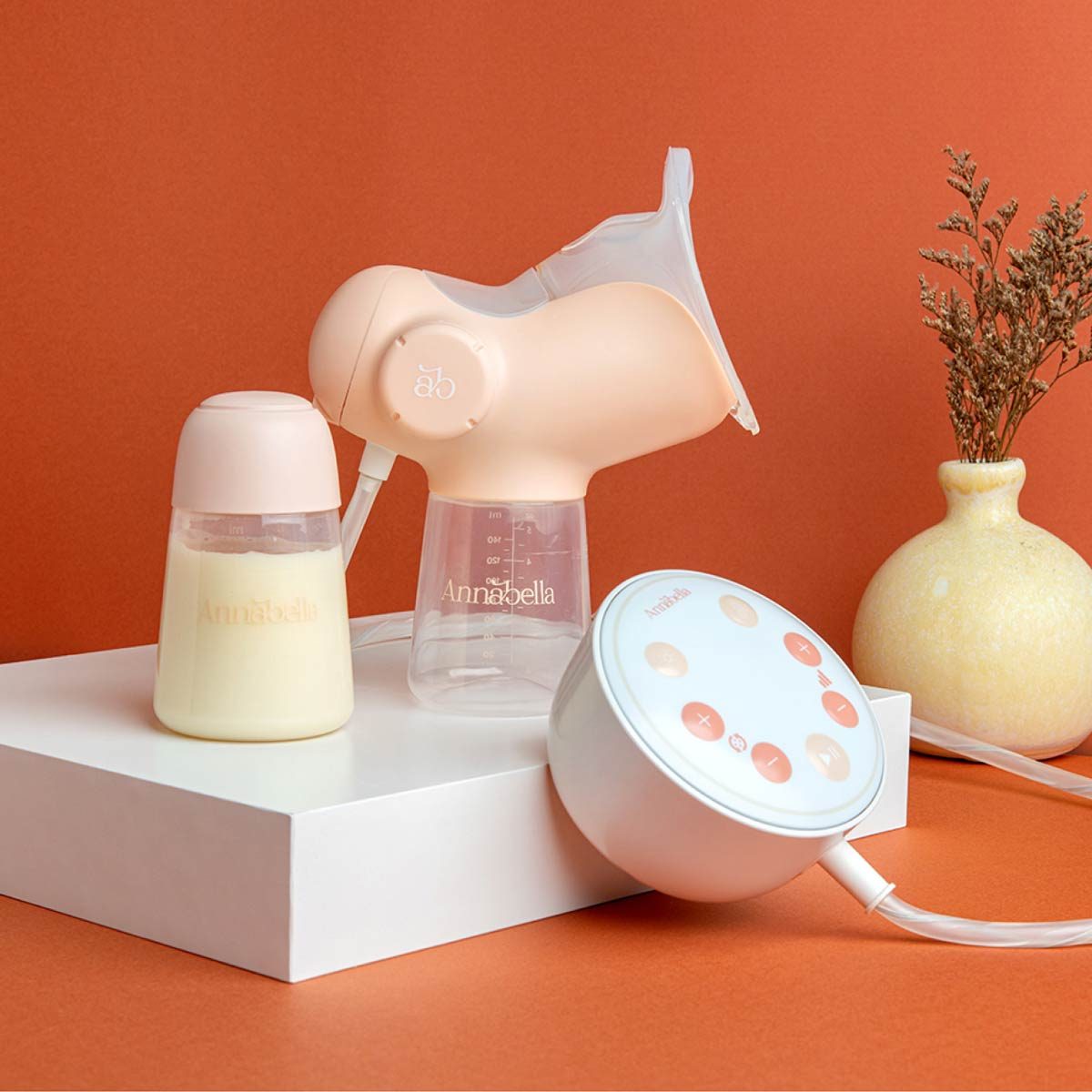
Annabella is one of the few genuinely new ideas in breast pumps: instead of relying only on suction, it uses a tongue-like wave motion designed to imitate how a baby feeds. Early users describe it as gentler, and the company reports higher milk output in its own study. It is a traditional plug-in style pump rather than a wearable, and insurance coverage is still uneven.
What we like
- Distinctive suckling-style motion designed to feel closer to nursing
- FDA-cleared, with single and double pump options
- Separate controls for suction (nine levels) and stimulation
- Adjustable breast shield fits 18 to 24 mm out of the box
- Company-sponsored study reported 50% more milk on average
Keep in mind
- Not a wearable, so you are less mobile while pumping
- Insurance coverage is not guaranteed; check with your plan
- Larger shield sizes are sold separately
- Output claims come from a manufacturer-sponsored trial
Most breast pumps work the same basic way: a motor creates cycles of vacuum to draw milk out. That works for many parents, but some find it uncomfortable or struggle to get a good let-down. Annabella, an Israeli femtech company co-founded by Masha Waldberg, set out to build a pump that behaves more like a baby, combining suction with a rolling, tongue-like motion against the breast.
Annabella began selling in Israel in February 2023, raised seed funding to expand into the US, and has since added an FDA-cleared double pump. We looked at how the technology works, what each model offers, the costs involved and who stands to benefit most.
The technology, in plain English
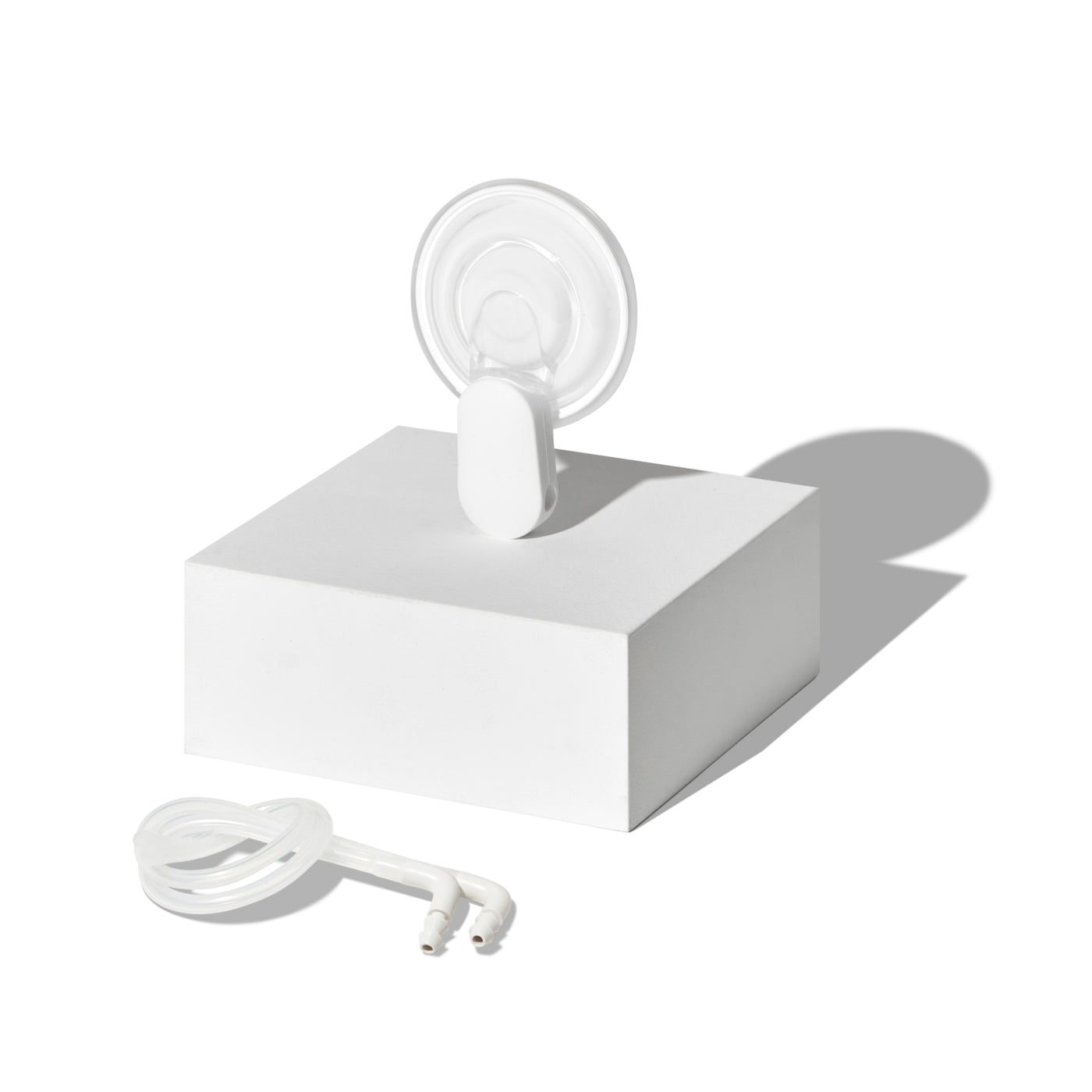
When a baby nurses, it does not just suck. Its tongue moves in a wave from front to back, compressing the breast while creating suction. Annabella's patented design tries to recreate that action. A soft, flexible silicone shield molds to the breast like a latch, and a kneading motion moves across it in a wave-like pattern.
The brand says this combination is designed to encourage the release of prolactin and oxytocin, the hormones behind milk production and let-down. Each session begins in a stimulation mode, then switches automatically to expression mode after about two minutes, or earlier if you press the let-down button when you feel milk flowing.
Models and features
Single and double electric pumps
Annabella offers single and double electric versions. The double pump, which received FDA clearance in 2024, lets you pump both sides at once to save time, an important consideration for anyone pumping several times a day.
Key settings
- Nine suction levels, adjustable independently of stimulation strength.
- Stimulation and expression modes with automatic switching.
- An adjustable breast shield covering 18 to 24 mm, with a 25 to 28 mm shield sold separately.
- A single-to-double splitter and a built-in nightlight for night sessions.
Accessories
A hands-free pumping bra, offered in sizes from XS to XXL, holds the shields in place so your hands are free during a session.
See Annabella's current range
What the evidence says
Annabella reports that in a clinical study, mothers expressed 50% more milk on average than with a traditional pump. That is an eye-catching figure, but it comes from a manufacturer-sponsored trial, and the full details are not widely published. Independent research will help clarify how much of a difference the technology makes for different users.
Early hands-on reports describe the tongue motion as surprisingly gentle, though some say the suction itself feels similar to other pumps. As with any pump, results depend heavily on correct shield sizing, pumping frequency and individual physiology.
Pricing and insurance
Retail listings we saw put the single pump at around $199 and the double pump at up to about $379, with some listings showing lower promotional prices. The hands-free bra was about $39. Prices move frequently, so check the brand's site and major baby retailers before buying.
When Annabella entered the US, it said it planned to work with insurers, and coverage remains plan-dependent. Under the Affordable Care Act, most US health plans must cover a breast pump, but not necessarily every model. Ask your insurer or a durable medical equipment supplier whether Annabella is an option, and use HSA or FSA funds if it is not covered.
Who Annabella is for
Annabella makes most sense for parents who find conventional pumps painful, who struggle to trigger let-down with vacuum-only pumping, or who want a more natural-feeling experience. It also suits parents with an established supply who want to see whether a different technology improves output.
If portability is your priority, a wearable in-bra pump will be more convenient, since Annabella is a traditional electric pump that keeps you near it during sessions. Exclusive pumpers who rely on a pump several times a day should look at the double model, and anyone with pain, cracked nipples or low supply should involve a lactation consultant regardless of which pump they choose.
Fit first
Measure your nipple diameter before ordering. If you are above 24 mm, budget for the larger shield so your first sessions are comfortable.
Getting started with Annabella
Like any pump, Annabella takes a few sessions to learn. Start with suction and stimulation on lower settings and increase gradually until milk flows comfortably; more suction is not always better and can cause soreness. Pay attention to how the shield sits, since the wave motion works best when the silicone molds evenly around the breast.
Use the let-down button if you feel milk start to flow before the automatic two-minute switch, and experiment with when you change modes. Many parents find that relaxing, warmth, gentle massage or looking at a photo of their baby helps trigger let-down, which complements the pump's stimulation phase.
Wash all milk-contact parts after each session following the instructions, and keep a simple log of output for the first week or two. That makes it easier to see whether the pump is working well for you and gives a lactation consultant useful information if you need help.
Our verdict
Annabella brings real innovation to a category that has changed little in decades. Its suckling-style motion is thoughtfully engineered, the settings are flexible and FDA clearance for both models adds reassurance. The output claims need independent confirmation and it is not a wearable, but for parents who have struggled with traditional pumps, it is well worth a look. Check insurance coverage first, measure for the right shield, and consider the double model if you will be pumping often.
Annabella products at a glance
| Product | What it is | Price |
|---|---|---|
| Annabella Single Electric Breast Pump | The original suckling-style pump with stimulation and expression modes and nine suction levels. | around $199 |
| Annabella Double Electric Breast Pump | An FDA-cleared double version for pumping both sides at once. | up to about $379 |
| Hands-Free Pumping Bra | A supportive bra in sizes XS to XXL that holds shields in place. | about $39 |
| 25–28 mm Breast Shield | A larger adjustable shield for parents who need more than the included 18–24 mm size. | — |
Prices as listed on the brand's site at the time of our research and may change. Check the store for current pricing.
Annabella FAQs
How is the Annabella pump different?
Instead of using suction alone, Annabella combines suction with a tongue-like wave motion against the breast, designed to mimic the way a baby nurses.
Is the Annabella breast pump FDA-cleared?
Yes. Annabella describes its pump as FDA-cleared, and its double pump received FDA clearance in 2024.
Is Annabella a wearable pump?
No. Annabella is a traditional electric pump. A hands-free bra holds the shields in place, but you stay near the pump unit during sessions.
Will insurance cover the Annabella pump?
It depends on your plan. Most US plans must cover a breast pump, but not every model. Check with your insurer or a medical equipment supplier, or use HSA/FSA funds.
Does Annabella really produce more milk?
A manufacturer-sponsored study reported 50% more milk on average than a traditional pump. Independent research is limited, and results vary between users.
Parents who find conventional vacuum-only pumps uncomfortable or ineffective
Disclosure: InhouseHeal may earn a commission if you buy through links on this page. Our score is based on research of the brand's products, evidence, pricing and policies. How we review.