ProLon is the most researched commercial fasting kit available, built on the fasting-mimicking diet developed by USC longevity scientist Dr. Valter Longo. It makes a five-day low-calorie protocol far easier to follow than DIY fasting. It is expensive, it is not for everyone, and some of the bolder longevity claims rest on early-stage evidence.
What we like
- Developed by Dr. Valter Longo and backed by dozens of clinical studies
- Everything is pre-portioned, so there is no calorie counting
- Plant-based real food rather than a liquid-only fast
- Range includes a 1-Day Reset and a 5:2 program for lighter use
- Free continental US shipping and frequent subscription discounts
Keep in mind
- Around $180 to $215 per five-day kit
- Hunger, fatigue and irritability are common on days two and three
- Not suitable for people with diabetes, many medical conditions or over 65 without medical approval
- Biological age and longevity claims are based on limited, company-linked research
Fasting has attracted enormous interest for its potential effects on metabolism and cellular repair, but going days without food is hard, and unsupervised water fasting carries real risks. ProLon offers a middle path. Its flagship product is a five-day kit of pre-portioned, plant-based foods designed to be low enough in calories, protein and sugar that your body responds in some ways as if it were fasting, while you still eat small meals every day.
The program is based on the fasting-mimicking diet, or FMD, developed by Dr. Valter Longo, director of the Longevity Institute at the University of Southern California, and is sold by his company, L-Nutra, based in Culver City, California. We looked at how the kit works, what the research does and does not show, what it costs and, most importantly, who should not use it.
How the fasting-mimicking diet works
The idea behind the FMD is that specific nutrient levels, rather than total absence of food, trigger many of the responses associated with fasting. By keeping calories, protein and sugars low and relying mainly on plant fats and complex carbohydrates, the diet aims to shift the body towards fat burning and cellular clean-up processes, including autophagy, without the extremes of a water fast.
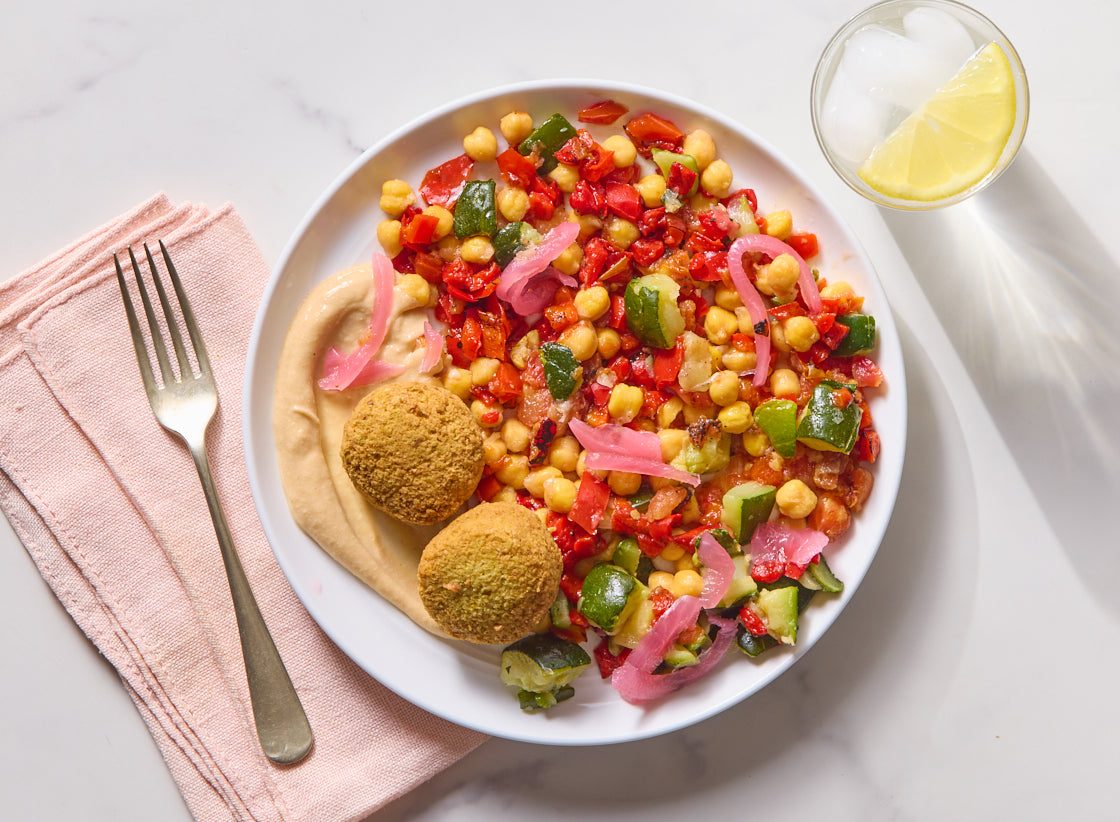
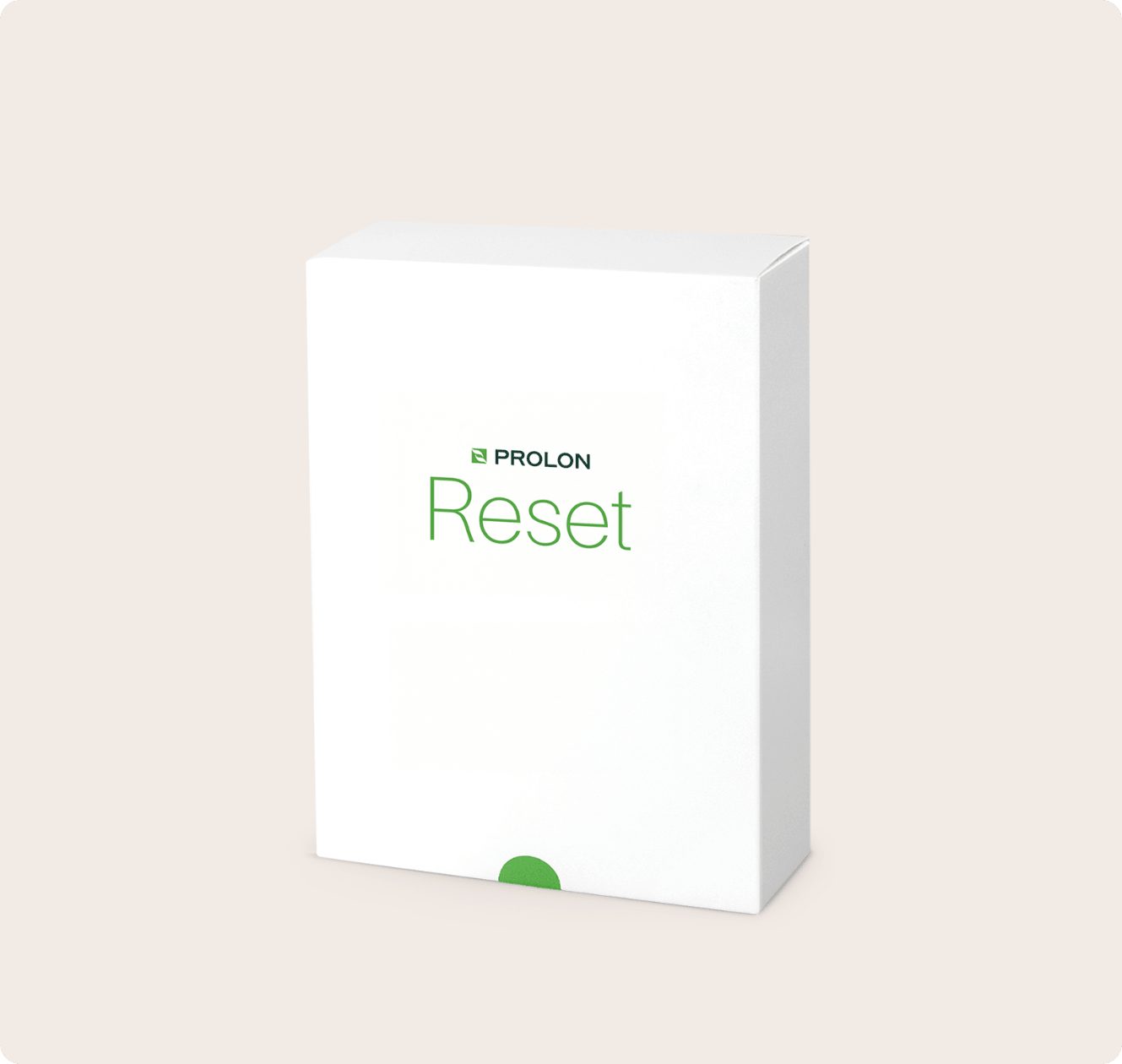
The five-day kit contains everything you eat during that period: small, pre-portioned plant-based meals and snacks, with items such as a nut bar, olives and a spread often mentioned by customers, plus a daily guide that tells you what to eat when. An L-Drink is used on days two to five. Once the five days are over, you return to normal eating, ideally easing back in with lighter meals on day six.
ProLon recommends the program as a periodic reset, with some protocols suggesting three consecutive monthly cycles, rather than a continuous diet.
What the research shows
ProLon's research base is unusually large for a consumer nutrition product. The company cites more than 40 clinical trials involving institutions such as USC, Stanford, Leiden University Medical Center and Mayo Clinic, with work published in journals including Nature, Cell Metabolism and Science Translational Medicine.
Reported findings include:
- A peer-reviewed study that the brand says showed the five-day FMD initiates autophagy in people.
- One trial in which participants lost an average of 5.7 lbs and 1.5 inches from the waist after three monthly cycles.
- Company-reported estimates of about 2.5 years of biological age reduction on average after three consecutive cycles.
It is worth reading these results carefully. Many studies were relatively small or involved researchers connected to the company, and "biological age" measures are still being validated. The evidence for short-term metabolic markers is stronger than the evidence for long-term longevity outcomes. ProLon itself notes that results vary and that its statements have not been evaluated by the FDA.
See ProLon's current range
The product range and prices
- ProLon 5-Day Fasting Mimicking Diet: the flagship kit, listed at $215, often discounted to around $180 to $205.
- 1-Day Reset: a single-day version for a lighter introduction, around $34 to $40.
- Prolon 5:2 Program: a kit to support two lower-intake days per week, around $135 to $170.
- Fasting Bar and Fasting Shake: standalone products for intermittent fasting, around $34 to $40 and $59 to $70.
- L-Protein and L-Spread, plus intermittent fasting bundles and a Longevity Nutrition Kit.
- Prolon Guided Health Program: a supported program option.
Subscriptions apply an automatic discount to the first order and can be updated or cancelled at any time. Shipping is free within the continental US.
What the five days are really like
Most people find day one manageable, since it has the most food. Days two and three are typically the hardest, with hunger, low energy, headaches, feeling cold or irritability commonly reported. Many people find days four and five easier as the body adjusts.
Practical tips make a big difference:
- Choose a quieter week with no major social events or demanding physical work.
- Keep exercise very light, such as walking or gentle yoga.
- Drink plenty of water throughout the day, and keep caffeine-free herbal tea on hand if you find warm drinks help with hunger.
- Prepare everything the night before, following the daily guide exactly.
- Plan a light, easily digested meal for day six rather than a feast.
Who should not use ProLon
This is the most important section of the review. ProLon says the program is not appropriate for everyone and that you should consult a healthcare provider first if you:
- Have type 1 or type 2 diabetes or other medical conditions.
- Take medications that need to be taken with food.
- Are over 65.
- Are managing high cholesterol, high blood pressure or blood sugar imbalances.
It should also be avoided during pregnancy and breastfeeding, by anyone underweight or with a history of eating disorders, and by people who are frail or recovering from illness. Low-calorie protocols can affect blood pressure, blood sugar and how medications work, so medical advice is essential rather than optional for these groups.
Who it suits, and our verdict
ProLon is best suited to healthy adults who are curious about periodic fasting, want structure and convenience, and prefer eating small meals to a water fast. It can also be a useful reset for people who want to interrupt a pattern of overeating, provided they have a plan for the weeks afterwards.
It is a poor fit for anyone looking for sustained weight loss on its own, since five days of low intake does not replace long-term eating habits. If that is your goal, a structured meal service such as BistroMD or Nutrisystem, or a tracking app like MyNetDiary, may be more useful.
Our verdict: ProLon is the most credible, convenient way to try a fasting-mimicking protocol at home, with a real scientific foundation. Keep your expectations about longevity modest, talk to your doctor first, and treat it as an occasional tool rather than a cure-all.
ProLon products at a glance
| Product | What it is | Price |
|---|---|---|
| ProLon 5-Day Fasting Mimicking Diet | Five days of pre-portioned, plant-based meals, snacks, teas and the L-Drink. | $215 list, often about $183 |
| 1-Day Reset | A single-day fasting-mimicking kit for a lighter introduction. | about $34–$40 |
| Prolon 5:2 Program | A kit to support two lower-intake days per week. | about $135–$170 |
| Fasting Bar | Bars designed to support intermittent fasting windows. | about $34–$40 |
| Fasting Shake | A shake designed for use during intermittent fasting. | about $59–$70 |
Prices as listed on the brand's site at the time of our research and may change. Check the store for current pricing.
ProLon FAQs
Who created ProLon?
ProLon was developed by Dr. Valter Longo, director of the USC Longevity Institute, and is sold by L-Nutra, based in Culver City, California.
What do you eat on ProLon?
The kit includes pre-portioned, plant-based meals and snacks, such as a nut bar, olives and a spread, plus an L-Drink for days two to five. A daily guide tells you what to eat and when.
How often should you do ProLon?
ProLon is designed as a periodic program rather than a continuous diet, and some protocols involve three consecutive monthly cycles. Discuss frequency with your doctor.
Can people with diabetes do ProLon?
ProLon advises people with type 1 or type 2 diabetes or other medical conditions to consult a healthcare provider before starting. Low-calorie protocols can significantly affect blood sugar and medication needs.
Does ProLon help with weight loss?
One trial reported an average loss of 5.7 lbs and 1.5 inches from the waist after three monthly cycles. Results vary, and lasting weight change depends on your eating habits between cycles.
Healthy adults curious about periodic fasting who want a structured, food-based alternative to water fasting
Disclosure: InhouseHeal may earn a commission if you buy through links on this page. Our score is based on research of the brand's products, evidence, pricing and policies. How we review.