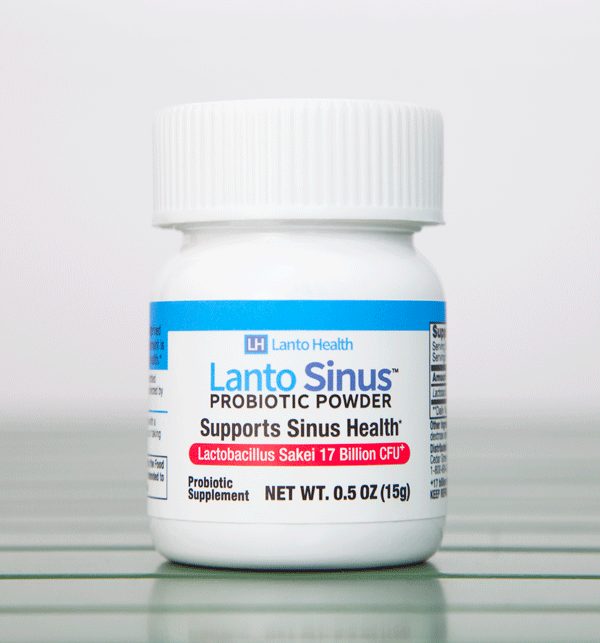
Lanto Health sells a single, unusual product: a sinus probiotic powder built around Lactobacillus sakei, a kimchi-derived strain the brand says occurs naturally in healthy sinuses. It is a thoughtful, carefully marketed option for people with recurring sinus issues who want to try microbiome support, but the human evidence is early and it is no substitute for medical care.
What we like
- Clear focus on one defined strain, Lactobacillus sakei
- Flexible use by nose or by mouth
- Shipped cold in insulated packaging to protect the live bacteria
- Measured marketing, with a clear statement that it does not treat disease
- Free US shipping when you buy two or more bottles
Keep in mind
- Only one product, at about $49.99 per 15g bottle
- Human research on intranasal L. sakei is still limited
- Single-bottle orders do not qualify for free shipping
- Company location and wider background are not prominent
Lanto Health is about as focused as a wellness brand gets. It sells one product, Lanto Sinus, a probiotic powder built around Lactobacillus sakei, a kimchi-derived strain that the company says occurs naturally in healthy sinuses. The idea is to support a balanced sinus microbiome rather than to wipe out bacteria wholesale.
The company was started by people who say they spent decades dealing with chronic sinus problems, and that personal story shapes the brand. We looked at how the product is meant to be used, what it costs, how it ships and how much weight the science can bear.
The thinking behind Lanto Sinus
Your sinuses host their own community of microbes, much like the gut. Research over the past decade or so has explored whether people with chronic sinus problems have a less diverse sinus microbiome, and L. sakei emerged as a strain of interest after early studies, largely in animals, suggested it might help protect against problem bacteria such as Staphylococcus aureus. Lanto Health built its product around that idea.
Descriptions of the powder have put the dose at roughly 17 billion CFU of L. sakei at the time of manufacture. The founders' story of around 25 years of struggling with sinusitis, through antibiotics, special diets and surgery, is front and center, and co-founder Erik Galuppo is named on the site. The brand also features testimonials from physicians, including Dr. Benjamin F. Asher, links to a podcast discussion of the product, and offers a wholesale version for healthcare providers. For a single-product company, that mix of a clear rationale and practitioner interest is a reasonable credibility signal.
How it is used
Lanto Sinus is a powder that can be used two ways: taken by mouth, or applied in small amounts in the nose, which is the brand's most direct route to the sinuses. Lanto suggests it can be used proactively, as part of a routine, or reactively when your sinuses feel off, and it has suggested a longer trial of several months to judge results. Follow the label for amounts, frequency and storage.
Because it contains live bacteria, the powder ships in an insulated cooler with ice packs, and customers are notified by email when an order is on its way. Plan to be home for delivery in warm weather and store the bottle as directed once it arrives.
Hygiene matters with any nasal product. Use clean hands, do not share the bottle, and stop if you notice increased irritation, nosebleeds or worsening symptoms. Starting with the smallest suggested amount is a sensible way to see how your nose tolerates it.
See Lanto Health's current range
Price and value
A 15g bottle of Lanto Sinus Probiotic Powder costs about $49.99. Shipping within the US is free when you order two or more bottles, so buying a pair is the better value if you plan a multi-month trial. Gift cards start at $25. There are no bundles or subscription tiers advertised on the shop page, which keeps things simple but limits discounts.
Compared with general-purpose probiotics, this is a premium price for a single strain. You are paying for specificity and cold-chain shipping rather than for a broad formula, which is reasonable if sinus health is your main concern. If the first bottle does not suit you, check the return policy before opening a second.
What the evidence can and cannot tell you
The rationale is interesting, but research on putting L. sakei into human sinuses is still young. Much of the foundational work was done in mice or in small studies, and large controlled trials in people with chronic sinusitis are lacking. Lanto deserves credit for stating plainly that its product is not intended to diagnose, treat, cure or prevent any disease, and that everyone's sinus microbiome is unique, so results vary.
That is the right framing. Think of Lanto Sinus as a personal experiment you run alongside, not instead of, advice from your doctor or an ear, nose and throat specialist.
How it fits with other sinus care
Most people with recurring sinus trouble already use some mix of saline rinses, nasal sprays recommended by a doctor or pharmacist, and antibiotics when a bacterial infection is diagnosed. Lanto Sinus does not replace any of those. It adds a different idea: reintroducing a single bacterial strain associated with healthier sinuses.
If you rinse with saline, ask your doctor how to time a probiotic around rinses so you are not immediately washing it out. If you use a prescribed nasal spray, keep using it unless your doctor advises otherwise. And if you are weighing Lanto against an ordinary oral probiotic, remember that gut-focused blends are designed for a different job and are generally not built around L. sakei, which is the main reason to choose this product.
Who should consider it
- Good fit: adults with recurring sinus congestion who have already seen a doctor and want to try a microbiome-focused approach.
- Worth discussing first: anyone with a weakened immune system, recent sinus surgery, a nasal implant or a serious chronic condition, since applying live bacteria to the nose may not be appropriate.
- Not a fit: anyone with signs of an acute infection, such as high fever, severe facial pain, swelling around the eyes or symptoms lasting more than ten days, who should seek medical care promptly.
Verdict
Lanto Health offers a niche, carefully presented product with a credible origin story and a sensible disclaimer. It is pricier than everyday probiotics and the evidence is early, but for people tired of recurring sinus trouble, a two-bottle trial with free US shipping is a reasonable way to see whether it helps. Keep a simple symptom diary over the trial so your verdict rests on more than memory.
Lanto Health products at a glance
| Product | What it is | Price |
|---|---|---|
| Lanto Sinus Probiotic Powder (15g) | Kimchi-derived Lactobacillus sakei powder for use by nose or mouth. | $49.99 |
| Two-bottle order | Two bottles for a multi-month trial, qualifying for free US shipping. | about $99.98 |
| Lanto Sinus for providers (wholesale) | Wholesale version of Lanto Sinus for healthcare practitioners. | — |
| Lanto Health gift card | Gift card for the Lanto Health store. | from $25 |
Prices as listed on the brand's site at the time of our research and may change. Check the store for current pricing.
Lanto Health FAQs
What is Lanto Sinus?
Lanto Sinus is a probiotic powder containing Lactobacillus sakei, a strain derived from kimchi that the brand says is found naturally in healthy sinuses. It is designed to support the sinus microbiome.
How do you use Lanto Sinus?
The powder can be used in the nose or taken by mouth. Follow the label for the amount and frequency, and ask your doctor before nasal use if you have a sinus condition or have had recent surgery.
Can Lanto Sinus replace antibiotics?
No. It is a supplement and is not intended to treat infections. If your doctor prescribes antibiotics for a bacterial sinus infection, follow that advice.
How much does Lanto Sinus cost?
A 15g bottle costs about $49.99. Orders of two or more bottles ship free within the US.
Why does it ship with ice packs?
The product contains live bacteria, so it is shipped in an insulated cooler with ice packs to help protect it in transit.
Adults with recurring sinus trouble who want to try microbiome support alongside medical care
Disclosure: InhouseHeal may earn a commission if you buy through links on this page. Our score is based on research of the brand's products, evidence, pricing and policies. How we review.