BionicGym is a genuinely different idea: leg wraps that use electrical stimulation to trigger strong, shivering-like contractions so you can raise your heart rate while sitting. It is backed by a doctor with a long research track record, but the calorie claims come from the brand and it is a supplement to movement, not a replacement for it.
What we like
- Unusual seated workout that can raise heart rate without impact on the joints
- Founded by a medical doctor with around two decades in neuromuscular stimulation research
- App-controlled intensity, with tutorials and an active user community
- Two sizes and two power levels to match body size and goals
- HSA/FSA eligible, with installment payment options
Keep in mind
- At $749 it is a significant spend compared with a basic exercise bike
- Headline calorie figures come from the brand and are not independently verified
- Electrical stimulation is not suitable for everyone, including people with pacemakers or certain conditions
- Ongoing cost of replacement gel pads and wraps
Most home fitness gear asks you to move. BionicGym takes a different approach. It is a wearable system of wraps and pads that sends electrical impulses to the large muscles of the legs and glutes, making them contract rhythmically, much like they do when you shiver. The result, according to the company, is an aerobic workout you can do while seated, watching TV or working at a desk.
That makes BionicGym interesting for people who find conventional exercise difficult, such as those with joint pain, low mobility or very little time. In our research, the science behind neuromuscular electrical stimulation is well established in rehabilitation settings, but the specific calorie and fat-loss claims for BionicGym come from the brand itself. Here is how it works, what it costs, and who should and should not consider it.
The idea behind BionicGym
BionicGym was created by Dr. Louis Crowe, an Irish medical doctor who has worked in neuromuscular stimulation for around 20 years. The company's origin story is that during a cold-water swim he noticed his legs shook at the same rate his teeth chattered, and he set out to reproduce that shivering response electronically without the cold.
The brand points to peer-reviewed studies, patents, work with European universities and a zero-gravity experiment with the European Space Agency as part of its background. Its site carries an FDA Cleared label, and the company says it is backed by more than 20 years of research.
How the system works
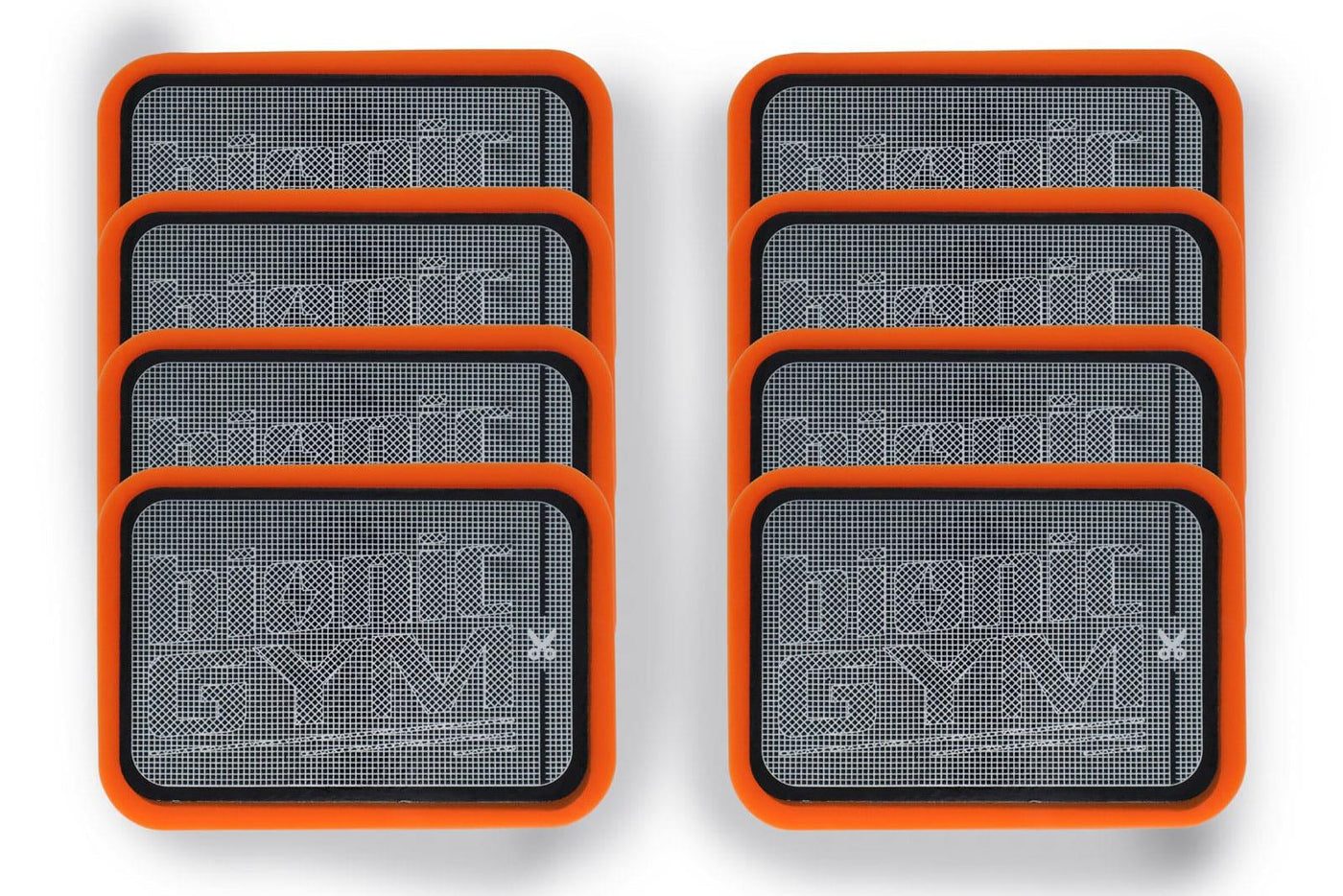
You strap the BionicWraps around your thighs, with gel pads making contact with the skin, and connect them to a small control unit. The iOS or Android app controls the session. The device delivers impulses at roughly 7 to 8 pulses per second, which produces strong rhythmic contractions in the thighs, calves and glutes.
Because these are large muscle groups, working them hard raises heart rate, breathing and sweating, which the company presents as aerobic exercise that is gentle on the joints. You can start at a low intensity and build up, and the app includes tutorials, videos and community forums, including a women-only group.
- In the box: control unit, charger, gel pads, BionicWraps and app access.
- Sizes: Small-Medium (under about 200 lb) or Large-XL (about 200 lb and over).
- Versions: Standard for moderate intensity, or PRO + HIIT for maximum output.
What a session feels like
Early sessions usually start at a low setting while you get used to the sensation, which many users describe as an intense, involuntary tremor in the thighs. As you build tolerance, you raise the intensity in the app. Sessions are typically done seated, and the company suggests you will notice your breathing quicken and may sweat, much as you would on a brisk walk. Keep water nearby, place the pads exactly as the guide shows, and stop if anything feels painful rather than simply strong.
See BionicGym's current range
What the claims say, and how to read them
BionicGym says users can burn 500 or more calories in an hour-long session and that the system helps preserve lean muscle, particularly fast-twitch fibers, which it argues is helpful during weight loss, including for people taking weight-loss medications. The site shows an average rating of about 4.2 from more than 750 reviews.
These are the company's own figures. Calorie burn varies a lot between individuals and settings, and testimonials are anecdotal. A sensible way to view BionicGym is as an extra tool that can add muscular work and raise energy expenditure during otherwise sedentary time, rather than as a replacement for walking, strength training or other activity.
Price, accessories and policies
The core BionicGym system costs about $749. Accessories include a PRO-HIIT upgrade, spare Bionic Wraps, single and three-packs of gel pads, a replacement charger and a protective sports towel. Gel pads are a consumable, so factor in their ongoing cost.
The company offers free shipping on BionicGym units and free shipping on orders over about $160. Installment payments are available at checkout, and the system is listed as HSA/FSA eligible. Refund, shipping and EU withdrawal policies are published on separate pages; read them before ordering so you know the return window and condition requirements.
Who BionicGym may suit
- Limited mobility: people who find walking or cycling difficult because of joint pain, weight or other limitations, with a doctor's approval.
- Desk-bound schedules: those who want to add muscular work during long seated stretches.
- Weight-loss support: people working with a clinician on weight loss who want to maintain leg muscle.
- Athletes and tech enthusiasts: people curious about adding stimulation-based conditioning to an existing routine.
Who should avoid it or check first: people with pacemakers or other implanted electronic devices, those who are pregnant, and anyone with epilepsy, a heart condition, a history of blood clots or skin problems where the pads sit. Electrical stimulation can also feel intense at first, which not everyone enjoys.
Alternatives to consider
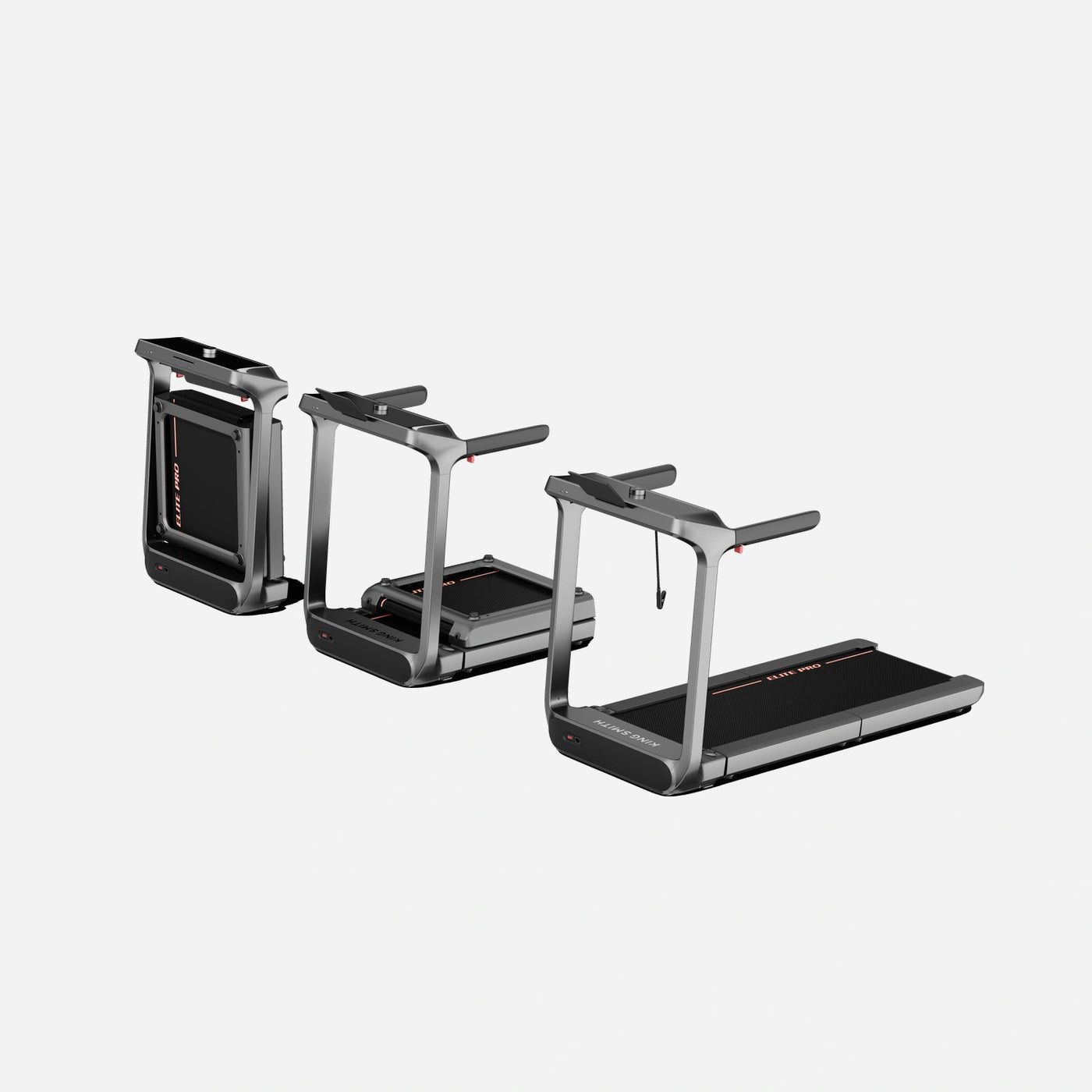
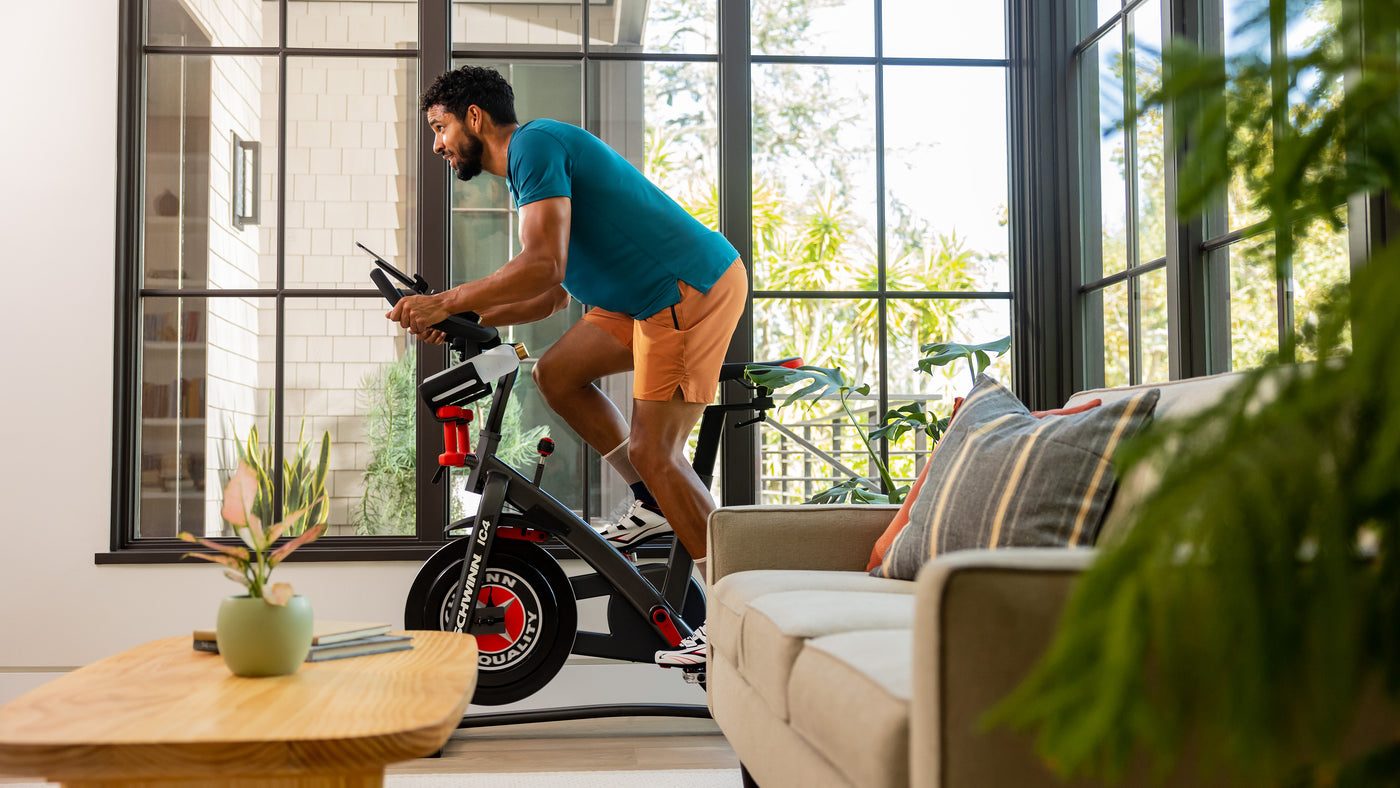
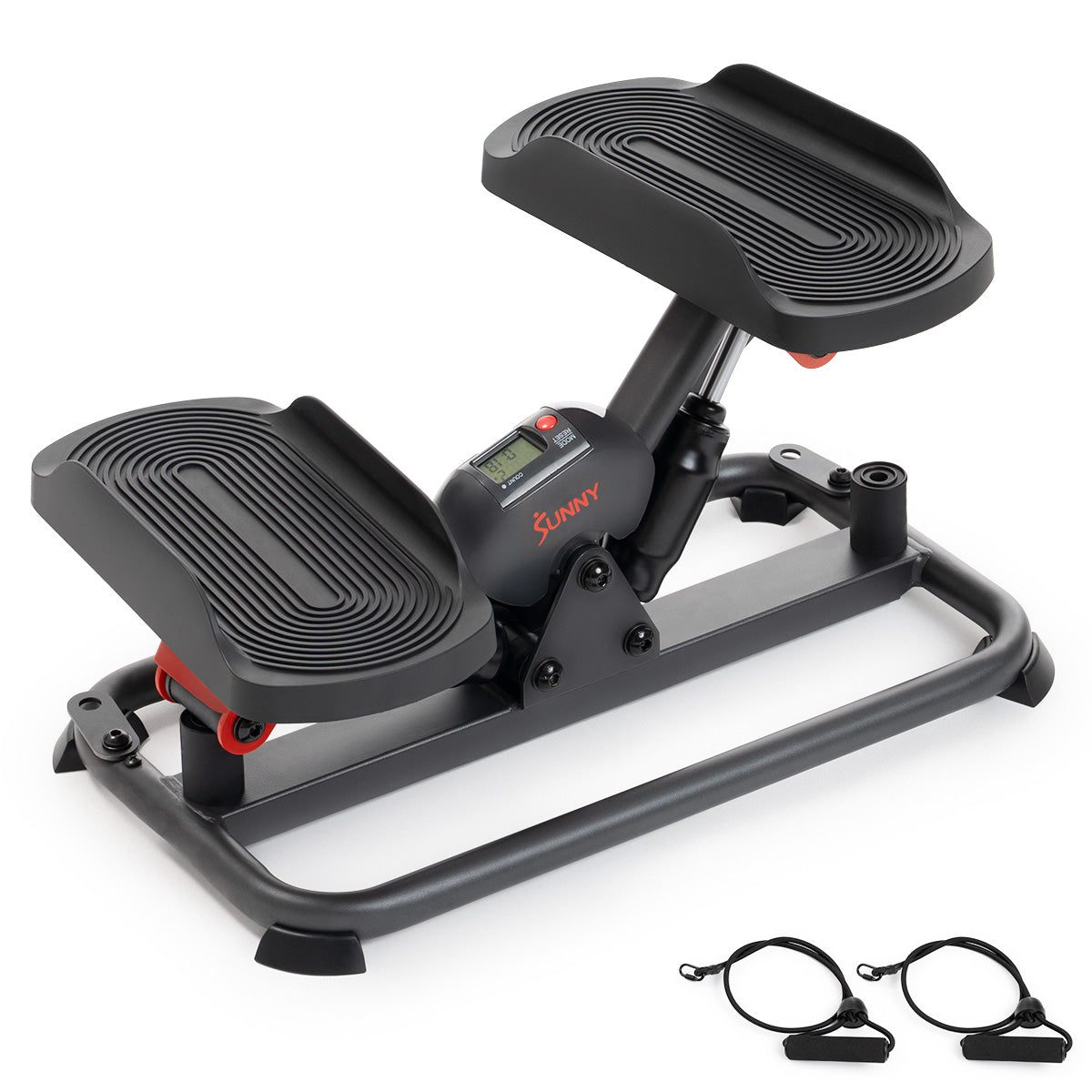
If your main goal is low-impact cardio and you can move comfortably, a recumbent bike from Schwinn Fitness or a compact stepper from Sunny Health & Fitness costs less and builds fitness through voluntary movement. If you want to add steps while working, an under-desk walking pad from WalkingPad is another way to make sedentary time more active.
It can also make sense to combine approaches: for example, using BionicGym during long seated stretches on busy days, and walking or cycling when time and energy allow.
Our verdict
BionicGym is one of the more inventive products in home fitness, with credible scientific roots and a clear use case for people who struggle with conventional exercise. The price is high and the most eye-catching claims are the brand's own, so go in with realistic expectations and clear it with your doctor first. Used alongside everyday movement, it can be a useful extra.
BionicGym products at a glance
| Product | What it is | Price |
|---|---|---|
| BionicGym System (Standard) | Leg wraps, gel pads, control unit and app for moderate-intensity seated sessions. | about $749 |
| BionicGym PRO + HIIT | Higher-output version aimed at maximum calorie burn. | — |
| Gel Pads (single and 3-set) | Replacement conductive pads, a regular consumable. | — |
| Spare Bionic Wraps | Extra wraps that hold the pads in place on the thighs. | — |
Prices as listed on the brand's site at the time of our research and may change. Check the store for current pricing.
BionicGym FAQs
Does BionicGym really work?
Electrical muscle stimulation reliably makes muscles contract, and BionicGym is designed to produce strong, shivering-like contractions in large leg muscles that raise heart rate. Specific results such as calorie burn and fat loss vary, and the headline figures come from the brand.
How many calories does BionicGym burn?
BionicGym claims 500 or more calories per hour-long session. Individual results depend on intensity, body size and other factors, and these figures have not been independently verified.
Is BionicGym FDA cleared?
The BionicGym website displays an FDA Cleared label, and the company points to FDA-cleared medical treatments from its founder's research. Ask the company for clearance details if this is important to you.
Who should not use BionicGym?
People with pacemakers or implanted electronic devices, those who are pregnant, and anyone with epilepsy, heart conditions, a history of blood clots or skin problems where pads go should not use it without medical advice.
How much does BionicGym cost?
The core system costs about $749, with accessories such as replacement gel pads and spare wraps sold separately. Installment payments and HSA/FSA eligibility are available.
People with limited mobility or time who want added leg muscle work while seated
Disclosure: InhouseHeal may earn a commission if you buy through links on this page. Our score is based on research of the brand's products, evidence, pricing and policies. How we review.