WalkingPad popularized the fold-in-half walking pad, and its range now runs from simple under-desk pads to full running treadmills with auto incline. The smaller models are best treated as walking tools rather than running machines, but for adding steps to a workday in a small apartment they are among the most refined options.
What we like
- Genuinely compact designs that fold or slide under a desk, bed or sofa
- Wide range, from entry walking pads to incline and running treadmills
- Quiet motors on walking models suit shared homes and video calls
- HSA/FSA eligible, with free US shipping over $100
- App tracking and remote control on many models
Keep in mind
- Entry walking pads have low top speeds and lower weight limits
- Even compact models are heavy (the C2 weighs about 55 lb) to move daily
- Standard warranty is one year, shorter than many full-size treadmills
- Model names and lineup change often, which can make comparison confusing
WalkingPad is the home-fitness brand of KingSmith, and it is one of the names most associated with the modern walking pad: a slim, low-profile treadmill designed to slide under a desk or fold away after use. The appeal is simple. If you spend most of the day at a desk, a walking pad makes it easy to add slow, low-impact steps without leaving the room.
The range has grown well beyond its original folding pad. Today the store sells vertical-fold treadmills that stand against a wall, under-desk models with higher weight limits, running treadmills with auto incline, and even rowers and workout benches. In our research, the key to buying well is matching the model to how you will actually use it: steady walking at a desk, brisk walks with incline, or real running.
Who makes WalkingPad?
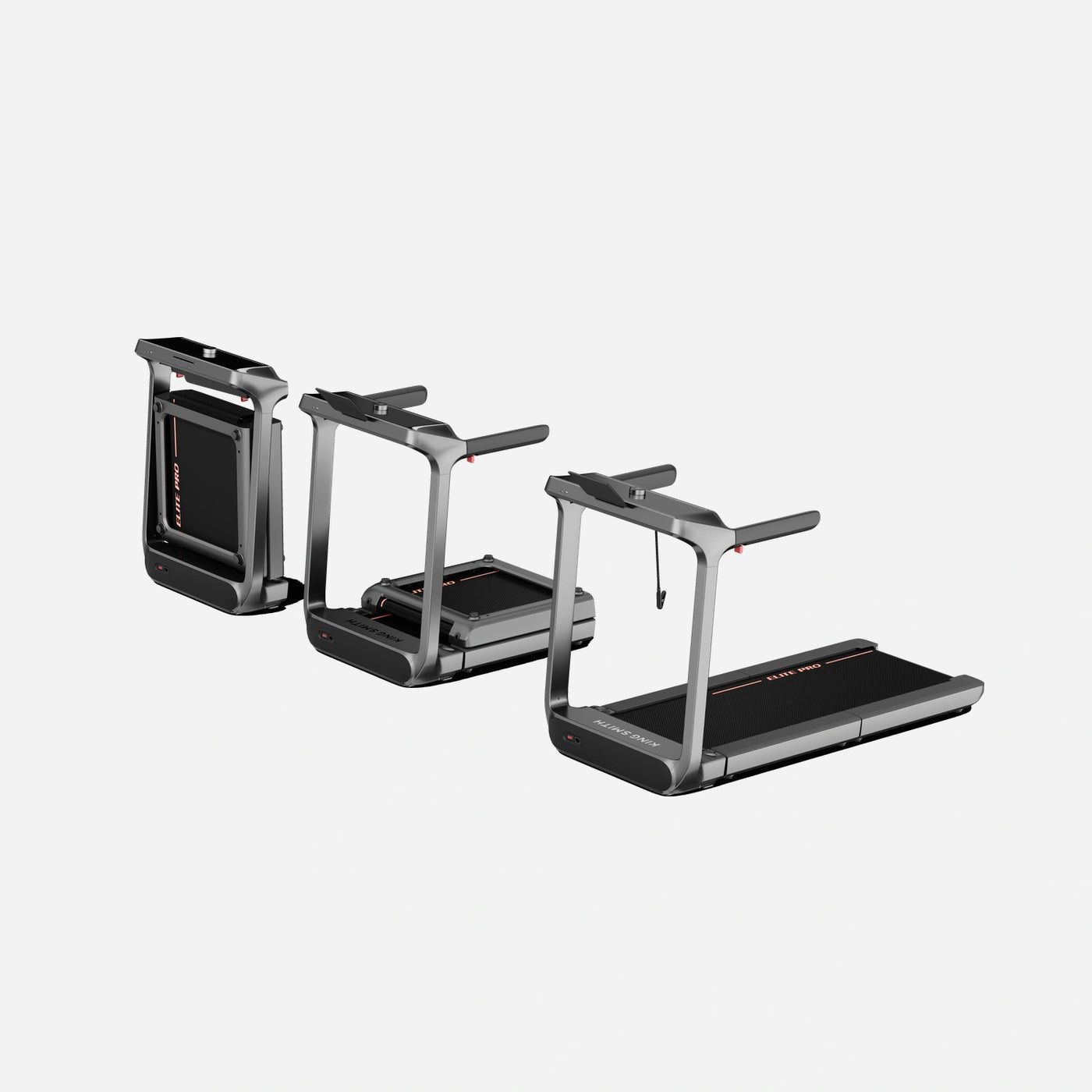
WalkingPad is powered by KingSmith, a home-fitness company that sells through regional sites in the US, Canada, the UK, France, Korea, Southeast Asia and Australia. The brand's signature idea is the fold: its classic walking pads hinge in half, and newer models fold vertically to stand upright, which the company says saves up to 90% of floor space.
That focus on small spaces is what separates WalkingPad from traditional treadmill makers. Most of its machines are designed for apartments, shared homes and home offices rather than dedicated gym rooms.
Understanding the lineup
WalkingPad groups its machines by how they store and how fast they go:
- Just Walk and folding classics (from about $299): low-profile pads for walking, often folding in half to slide under a bed or sofa.
- Hybrid (from about $299): models that work under a desk for walking and can be used for faster sessions.
- Vertical fold (from about $599): treadmills that fold upright and stand against a wall when not in use.
- Full treadmills: running-capable machines with higher speeds and, on some models, auto incline.
- Beyond treadmills: rowers (from about $399), exercise bikes (from about $269), workout benches and bundles.
Prices move often with promotions, so treat these as starting points.
See WalkingPad's current range
Models worth a close look
WalkingPad C2
The C2 is the classic folding walking pad. It measures about 57 by 20.4 by 4.9 inches, folds to half its length, weighs about 55 lb, and runs from 0.5 to 3.7 mph with a 220 lb maximum user weight. The brand says it runs below 65 dB, and it connects to the KS Fit app for tracking and control. It is a strong choice for steady walking at a standing desk.
R3 Under-Desk Treadmill
For heavier users or those wanting a sturdier deck, the R3 raises the weight limit to 330 lb and adds a cushioned SoftStep surface. It was listed at about $699 on sale.
MX10 Vertical Fold Treadmill
The MX10 reaches 6.5 mph, includes a foldable tray table, and folds upright to stand against a wall. At around $599 on sale, it suits people who want brisk walks or light jogging without giving up floor space.
G5i Auto Incline Treadmill
The top of the range, the G5i adds auto incline up to 18% across 25 levels and folds for storage. It was listed at about $1,599, making it a genuine alternative to a full-size home treadmill.
W1 Plus
The W1 Plus is the budget entry point at about $129 on sale, with manual incline and a 0.6 to 4.0 mph speed range. It is basic, but a low-cost way to test whether desk walking suits you.
Policies and practical buying notes
WalkingPad offers free US shipping on orders of $100 or more, a one-year warranty with an optional paid extension, and returns or repairs within 30 days. The site notes HSA/FSA eligibility, and Shop Pay and Affirm offer interest-free monthly payments for qualified customers.
- Check your desk height. Walking pads add several inches of height, so a height-adjustable desk is close to essential.
- Check the weight limit. Entry pads top out around 220 lb; choose a model like the R3 if you need more headroom.
- Be realistic about speed. Under-desk pads are walking tools. If you plan to run, look at the full treadmills.
- Plan where it lives. Measure the gap under your bed or sofa, or the wall space for a vertical-fold model.
Walking pad or full treadmill?
The biggest decision is not which WalkingPad to buy but which type. A walking pad has no handrail or a minimal one, a shorter deck and a gentle top speed, which is exactly what you want under a standing desk: steady steps while you type, read or take calls. Most people settle at a slow pace of around 1.5 to 2.5 mph when working.
A full treadmill makes more sense if you want dedicated workouts, such as brisk incline walks or runs, and you have room to leave it set up or fold it vertically. It costs more and is heavier, but it replaces a gym treadmill rather than simply adding steps. If you are unsure, an entry pad is a lower-risk way to find out whether a walking habit sticks.
Who it suits
WalkingPad suits remote and hybrid workers, people in apartments or shared homes, and anyone who wants low-impact daily movement without a bulky treadmill. Its quieter walking models are a good match for video calls and downstairs neighbors.
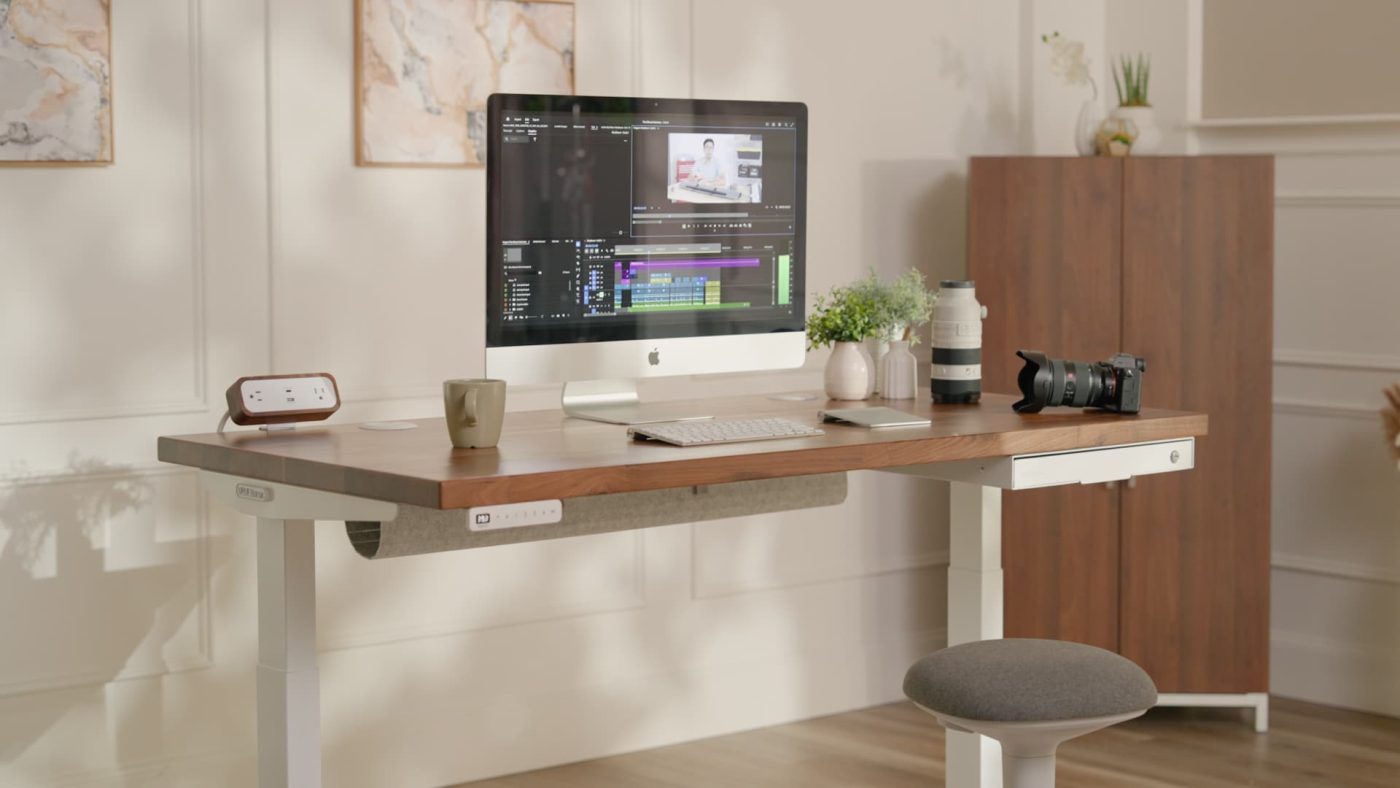
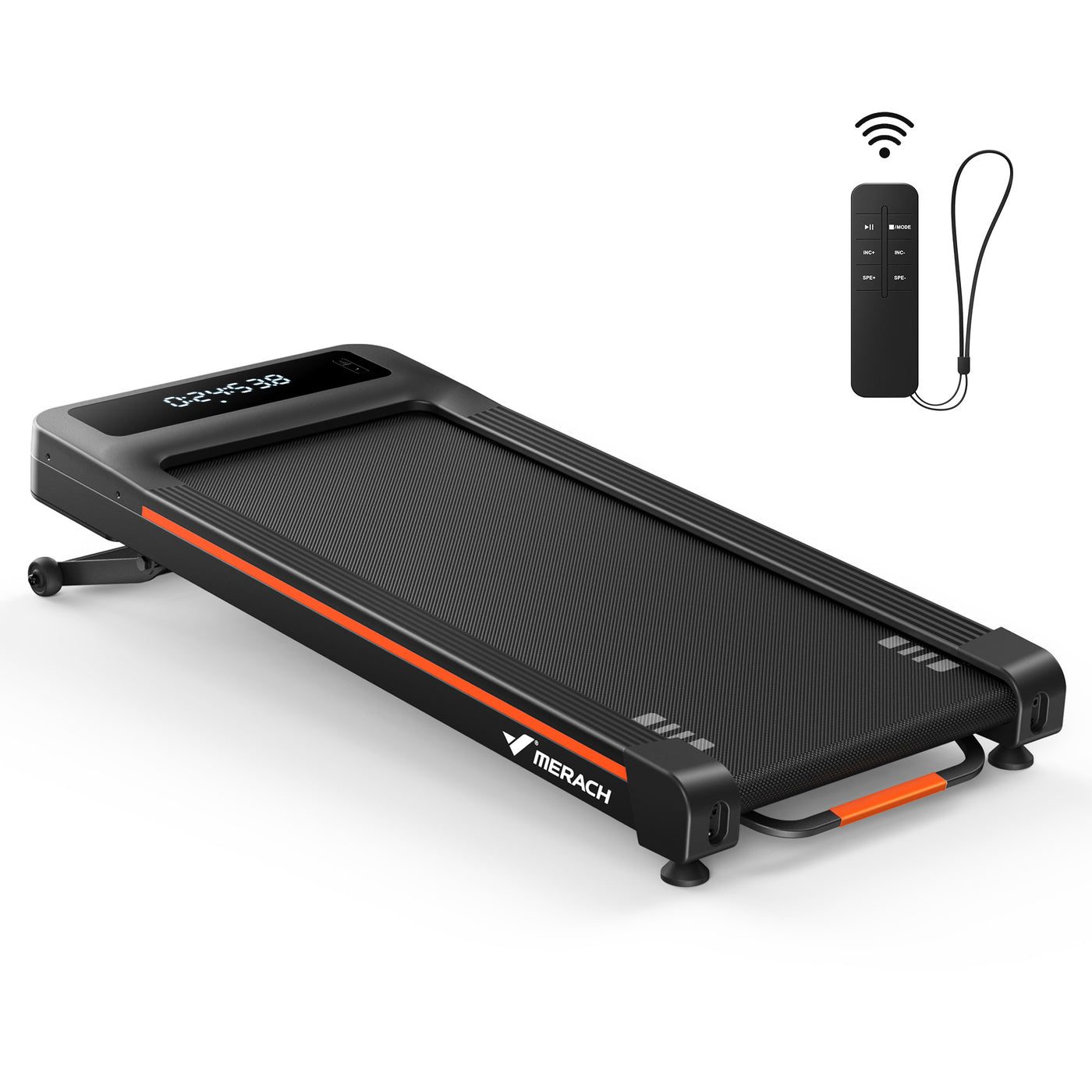
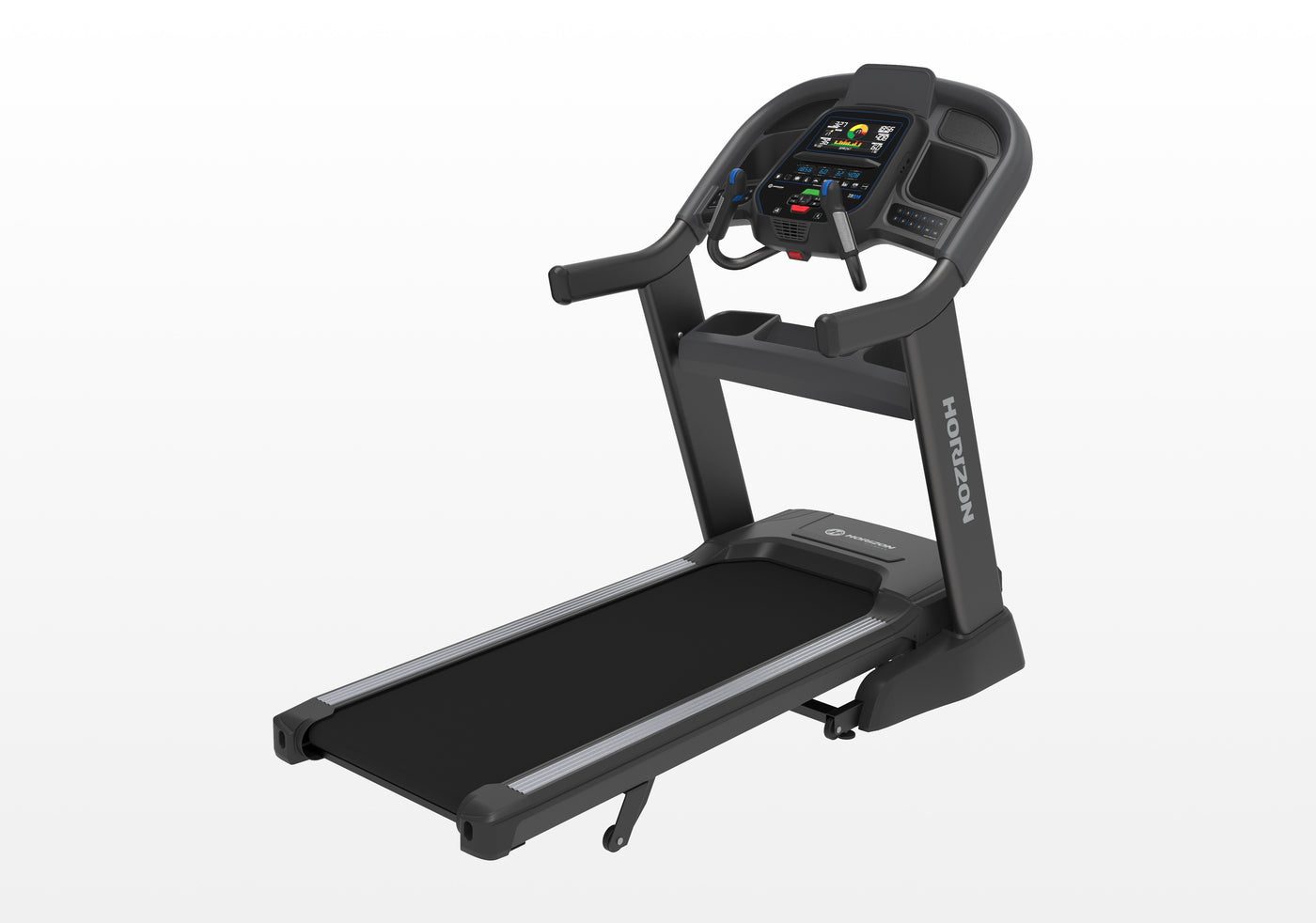
It is less suited to serious runners who want long decks and powerful motors, or to people who would need to drag a 55 lb machine out and back every day. If you mainly want a desk setup, UPLIFT Desk's walking pad pairs naturally with its standing desks, while Merach and Horizon Fitness offer more traditional home treadmills.
Our verdict
WalkingPad remains one of the most thoughtful choices for walking at home in a small space. The C2 and R3 make desk walking easy and quiet, while the MX10 and G5i stretch the range into brisk walking, jogging and incline training. Choose by weight limit, top speed and storage style, and you are likely to end up with a machine you actually use.
WalkingPad products at a glance
| Product | What it is | Price |
|---|---|---|
| WalkingPad C2 | Classic fold-in-half walking pad, 0.5–3.7 mph, 220 lb limit, app control. | — |
| R3 Under-Desk Treadmill | Sturdier under-desk walker with a SoftStep deck and 330 lb capacity. | about $699 on sale |
| MX10 Vertical Fold Treadmill | Folds upright against a wall, reaches 6.5 mph and includes a tray table. | about $599 on sale |
| G5i Auto Incline Treadmill | Folding treadmill with auto incline up to 18% across 25 levels. | about $1,599 on sale |
| W1 Plus Walking Pad | Budget walking pad with manual incline and a 0.6–4.0 mph range. | about $129 on sale |
Prices as listed on the brand's site at the time of our research and may change. Check the store for current pricing.
WalkingPad FAQs
Can you run on a WalkingPad?
On the compact walking pads, no. Models like the C2 top out at 3.7 mph. WalkingPad's full treadmills, such as the MX10 and G5i, are built for faster sessions and jogging or running.
What is the weight limit on a WalkingPad?
It depends on the model. The C2 is rated to 220 lb, while the R3 Under-Desk Treadmill raises the limit to 330 lb.
Is a WalkingPad quiet enough for an office?
The brand says the C2 runs below 65 dB, which is quiet enough for many home offices and calls. Noise also depends on your flooring, so a mat underneath can help.
Does WalkingPad have a warranty?
Yes. The standard warranty is one year, with an optional extension. Returns and repairs are handled within 30 days under the store's policy.
Can I use HSA or FSA funds for a WalkingPad?
WalkingPad lists HSA/FSA eligibility on its site. Check with your plan administrator about your specific account.
Remote and hybrid workers who want more daily steps in a small space
Disclosure: InhouseHeal may earn a commission if you buy through links on this page. Our score is based on research of the brand's products, evidence, pricing and policies. How we review.