The oral care aisle has changed more in the past five years than in the previous fifty. Nano-hydroxyapatite toothpastes have gone mainstream, toothpaste tablets have moved from zero-waste shops to carry-on bags, water flossers have become cordless and compact, and at least one brand now sells a toothbrush that cleans every tooth at once while scanning your gums.
We researched the direct-to-consumer brands leading these shifts, looking at formulas and specifications, transparency, price and customer policies. The picks below cover everyday toothpaste, low-waste tablets, flossing, smart brushing, gentle whitening and holistic routines, followed by practical advice on choosing what belongs in your bathroom.
- Boka — Best overall
- Better Biom (NOBS) — Best toothpaste tablets
- Grind Oral Care — Best value toothpaste
- Something Nice — Best water flosser
- Feno — Best high-tech toothbrush
- Hismile — Best for gentle whitening
- Primal Life Organics — Best for holistic routines
Boka
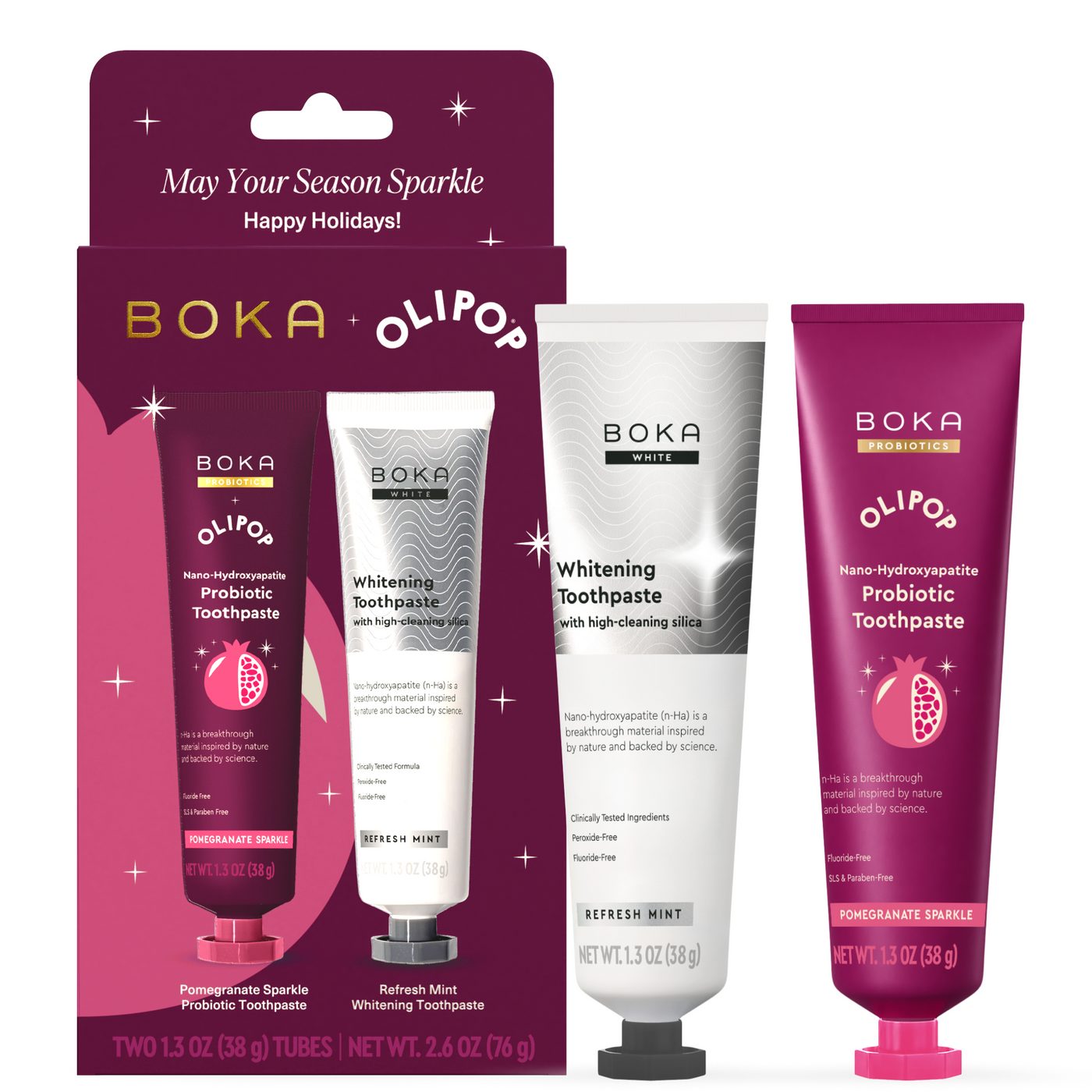
Boka combines a well-built nano-hydroxyapatite toothpaste with genuinely pleasant flavors, a sensitivity formula with 5 percent potassium nitrate and one of the best kids' ranges available. Most tubes cost around $12, subscriptions take 15 percent off, and the brand is stocked at major retailers, which makes it easy to keep the whole household supplied.
Better Biom (NOBS)
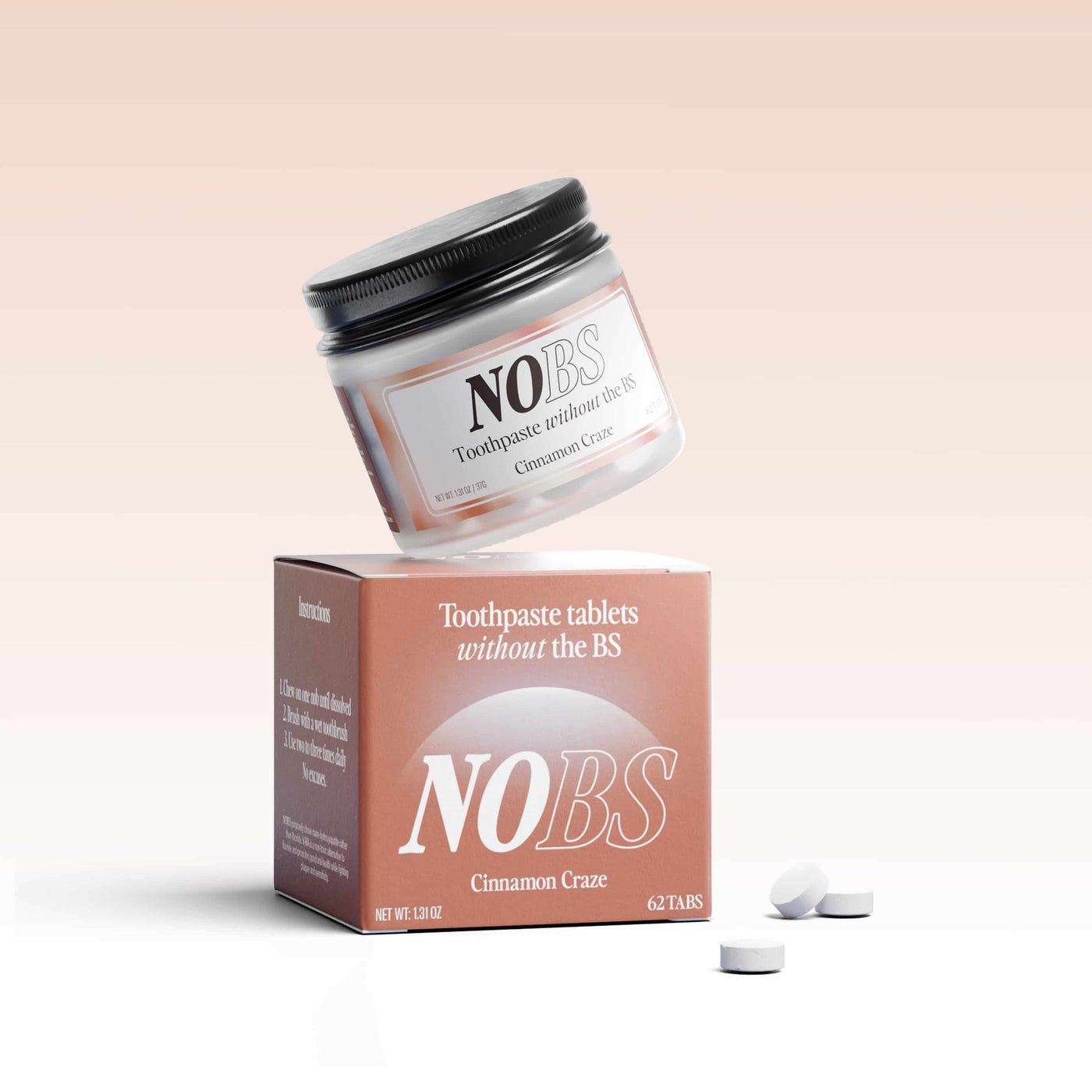
Better Biom's NOBS tablets state their formula plainly: 5 percent nano-hydroxyapatite with xylitol and zinc, in a low-abrasion base sold in a refillable glass jar. A three-month jar costs about $40, and solid tablets are easy to fly with. Direct shipping is limited to the US.
Grind Oral Care
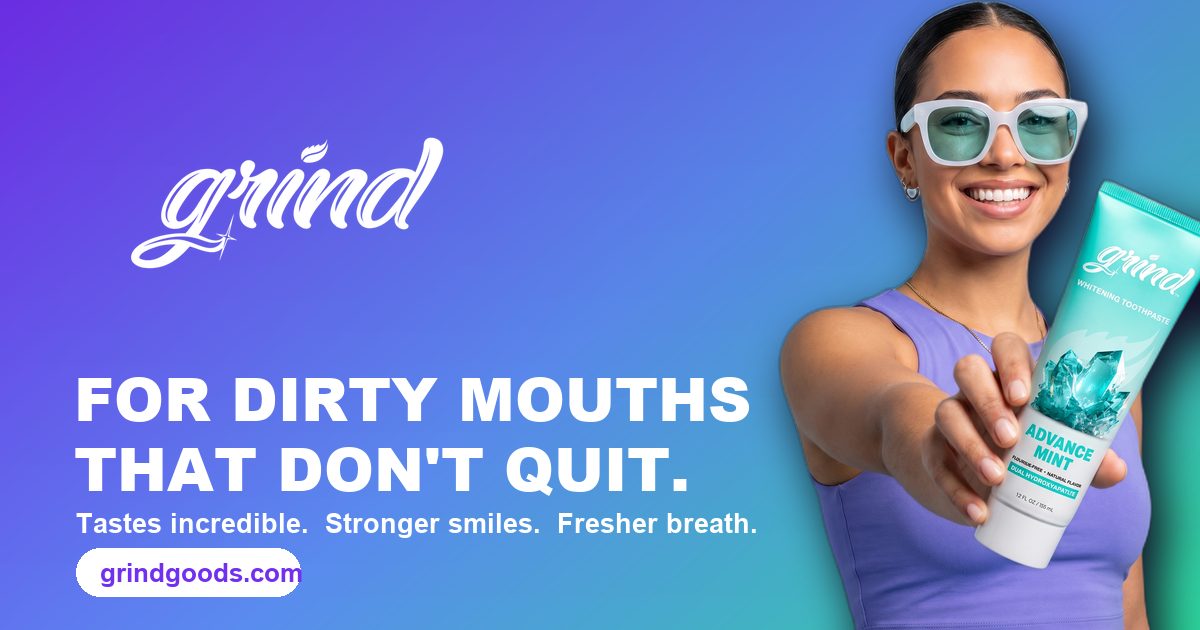
Grind's fluoride-free paste pairs hydroxyapatite with theobromine and xylitol, comes in nine flavors and is sold in Walmart stores, often for well under its $12.99 online price. Its veteran-led ownership and giving program add to the appeal. Pick a non-charcoal flavor for daily use.
Something Nice
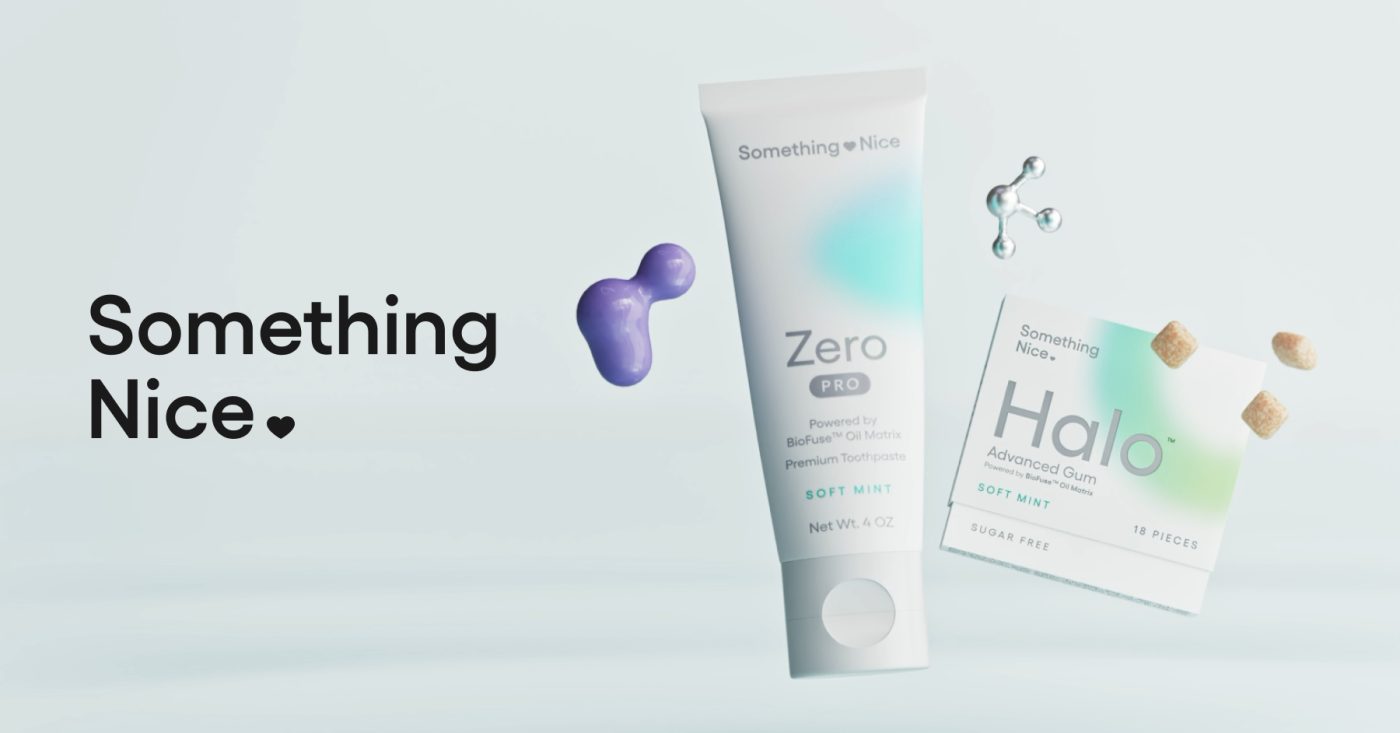
The AquaClean Duo uses two motors: a standard mode for the gumline and a gentle 10 to 35 psi mode with a dedicated tonsil nozzle. It is cordless, IPX7 waterproof and quoted at up to two months per charge, with a one-year warranty, at sale prices around $84 to $95.
Feno
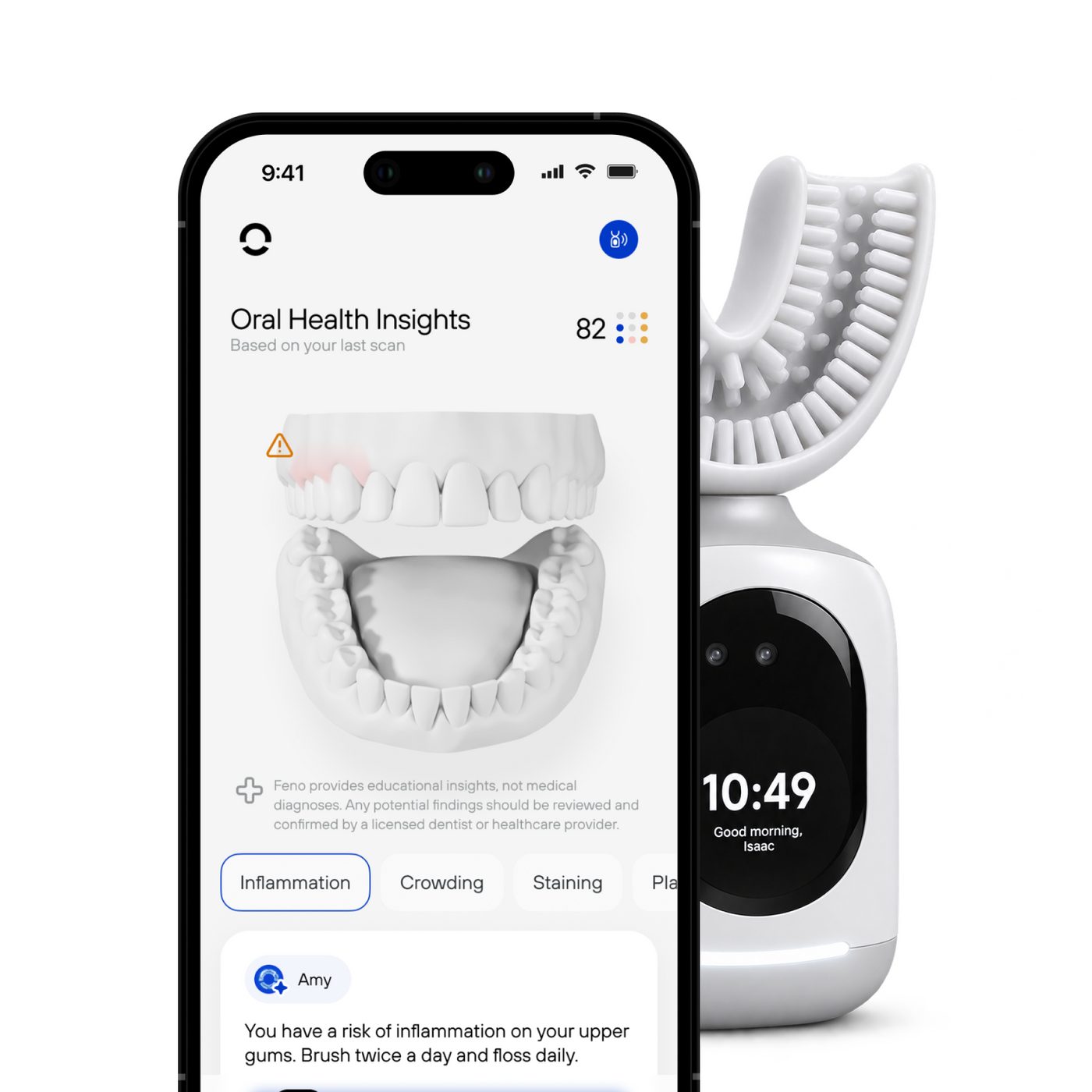
Feno's Smartbrush uses a custom-sized, U-shaped mouthpiece with about 18,000 bristles to clean the whole mouth in a 20-second cycle, while built-in cameras feed an app with scans and coaching. It is expensive at about $299 and reviews are mixed, but a 30-day money-back guarantee makes it a reasonable experiment for data lovers.
Hismile
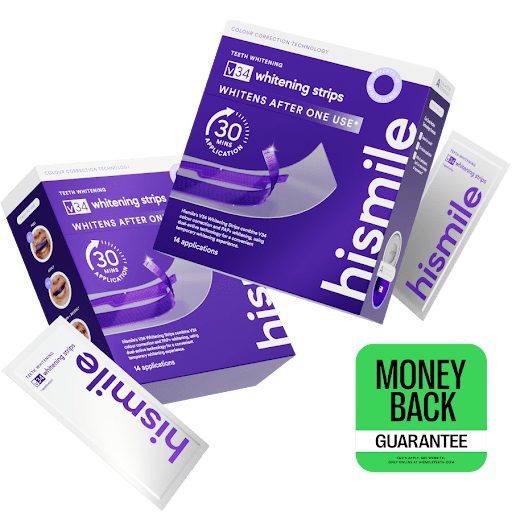
Hismile's PAP+ strips and LED kit avoid hydrogen peroxide, which suits people whose teeth ache with conventional whitening. Expect gradual, modest brightening rather than a dramatic change, and remember the purple V34 products only tint teeth temporarily.
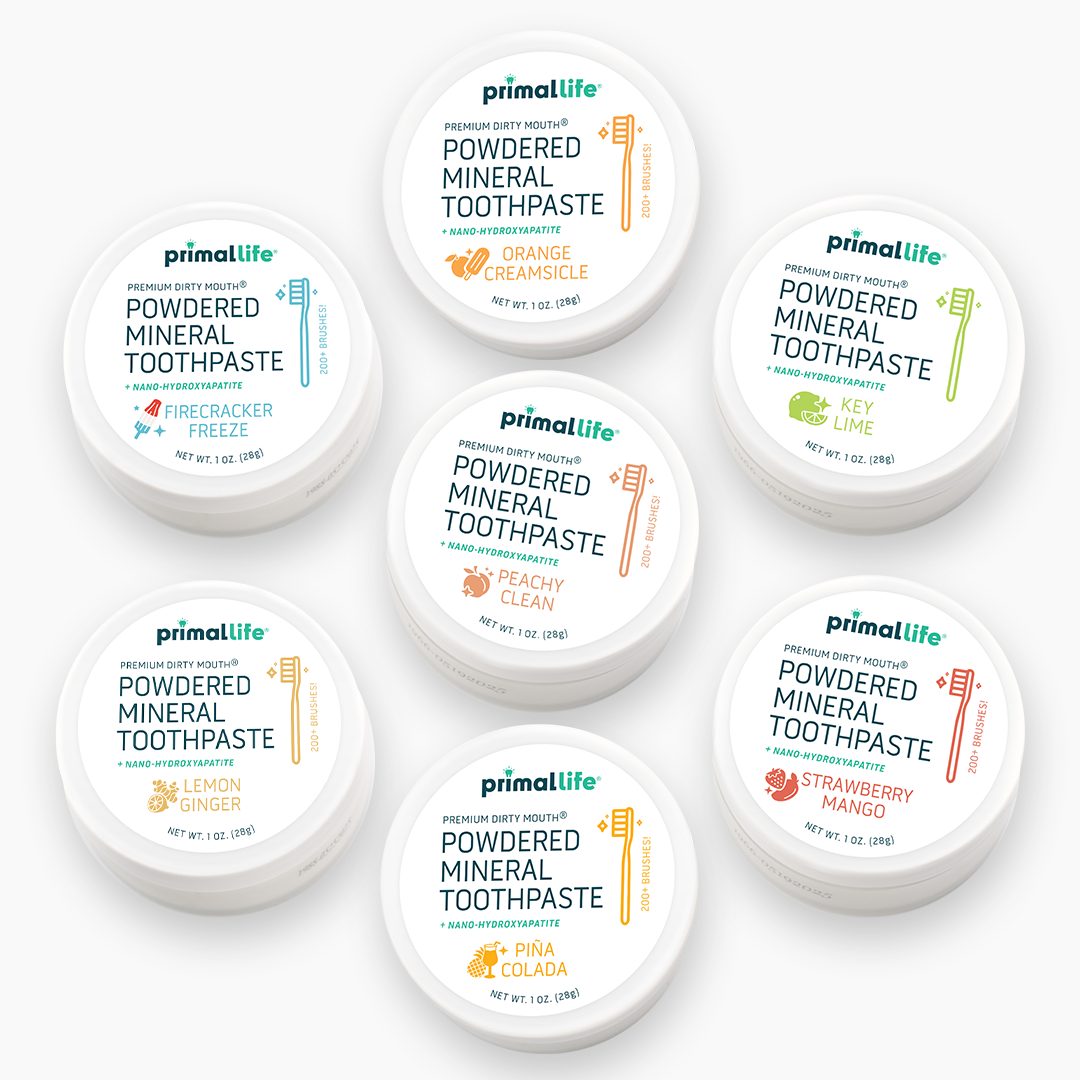
Primal Life Organics
Nurse-founded and made in Ohio, Primal Life Organics offers mineral tooth powders from about $10.99, oil pulling, peroxide-free whitening pens and an LED whitening system. It is the most complete catalog for natural-living shoppers, though some customer testimonials overstate what natural products can do.
How to choose an oral care brand
Start with your mouth, not the marketing. A few questions narrow the field quickly:
- How cavity-prone are you? If you have had several fillings recently, have dry mouth or wear braces, ask your dentist before giving up fluoride.
- Are your teeth or gums sensitive? Look for potassium nitrate in toothpaste, a soft or low-pressure flossing mode, and peroxide-free whitening.
- What will you actually use? The best flosser is the one you pick up every night, and the best toothpaste is the one you enjoy enough to brush for the full time.
- How transparent is the brand? Favor companies that list full ingredients, state active ingredient percentages and spell out returns.
Finally, think about cost over a year rather than per item. Subscriptions typically save 10 to 15 percent, free-shipping thresholds reward buying a few items at once, and replacement parts such as brush heads, mouthpieces and nozzles add up for powered devices.
Fluoride or nano-hydroxyapatite?
Fluoride has the deepest body of evidence for preventing cavities and remains the default recommendation from most dental organizations. Nano-hydroxyapatite is a calcium phosphate mineral that mirrors the main component of enamel. Studies over several decades suggest it may help remineralize early enamel weakness and reduce sensitivity, and it has been used widely in Japan for years.
For many adults with healthy teeth, a well-formulated nano-hydroxyapatite paste is a reasonable choice, and parents often like that it is lower-risk if small amounts are swallowed. If you are at high risk of decay, a sensible middle path is to use hydroxyapatite toothpaste alongside a fluoride rinse or treatment your dentist recommends.
Whitening without the wince
Whitening products fall into three groups. Peroxide treatments are the most effective but can cause temporary sensitivity. Peroxide-free options such as PAP or hydroxyapatite-based gels are gentler and lift surface stains gradually. Color correctors, usually purple, tint teeth to look brighter for a few hours without removing stains.
Before you whiten, have any cavities or gum problems treated, and remember that whitening does not change the color of crowns, veneers or fillings. Go easy on charcoal toothpastes, which can be abrasive and have limited evidence for whitening.
Build a simple routine
- Brush twice a day for two minutes with a soft brush or an electric brush, using a toothpaste that suits your cavity risk.
- Clean between teeth daily with floss, interdental brushes or a water flosser.
- Add extras only if they solve a problem: a tongue scraper for breath, a sensitivity paste for twinges, or gentle whitening for staining.
- Keep your checkups. Apps, scans and natural products support good habits, but none replaces a dentist examining your teeth and gums.
FAQs
Is fluoride-free toothpaste safe?
Well-formulated fluoride-free toothpastes, such as those with nano-hydroxyapatite, are widely used and generally considered safe. Fluoride still has the strongest evidence for preventing cavities, so people at high risk should talk to their dentist before switching.
Are water flossers as good as string floss?
Both can remove plaque between teeth. Water flossers are often easier for people with braces, implants, bridges or limited dexterity. The most effective option is the one you will use every day.
Do toothpaste tablets work?
Quality tablets contain the same types of ingredients as paste, in a solid, pre-measured form. Chew one, brush with a wet toothbrush, then spit. Check that the tablet lists its active ingredient, such as fluoride or nano-hydroxyapatite, and its percentage.
What is the gentlest way to whiten teeth?
Peroxide-free whitening, such as PAP or hydroxyapatite-based products, tends to cause less sensitivity than peroxide, though results are usually more modest. Ask your dentist first if you have sensitivity, gum recession or dental work on front teeth.
Are smart toothbrushes worth it?
They can help people who rush brushing or like tracking habits, but a good conventional electric toothbrush used for two minutes twice a day already does an excellent job. Treat app scores as coaching, not a diagnosis.
Disclosure: InhouseHeal may earn a commission if you buy through links in this guide. Picks are based on our research of each brand's products, evidence, pricing and policies.