Seaonic is about as simple as a mineral supplement gets: cold-microfiltered Atlantic seawater in single-serve sachets, with batch testing and no additives. It costs far more than mixing your own electrolytes and tastes distinctly salty, but it suits people who value a natural, single-ingredient option.
What we like
- Single ingredient with no sugar, sweeteners, flavors or fillers
- Two strengths, isotonic and hypertonic, for different times of day
- Cold 0.22-micron microfiltration with no heat or chemicals
- Batch testing for microbes, heavy metals and microplastics, with certificates available on request
- Free shipping and a 30-day money-back guarantee
Keep in mind
- Costs about $1.50 to $2 per sachet
- Salty, briny taste that not everyone enjoys
- Narrow product line with little flexibility in flavor or format
- Not suitable for people on sodium-restricted diets without medical advice
Most electrolyte products are built from scratch: sodium, potassium and magnesium salts blended with flavors and sweeteners. Seaonic goes the other way. Its single ingredient is seawater collected from the Bay of Biscay in the North Atlantic, cold-microfiltered and sealed into sachets that you drink straight, with no mixing.
The appeal is a natural, broad-spectrum mineral profile, which the brand says includes up to 78 naturally occurring minerals and trace elements such as magnesium, calcium, potassium, zinc, selenium, boron and iodine. In our research we looked at how Seaonic is produced and tested, the difference between its two strengths, what it costs and who is most likely to benefit from a marine mineral supplement.
How Seaonic is made
Seaonic's seawater is sourced from the Bay of Biscay, off the coasts of France and Spain, and processed in a single laboratory in Spain. Instead of heat treatment or chemical sterilization, it is cold-microfiltered through a 0.22-micron filter, a pore size used to remove bacteria, while keeping the dissolved minerals intact.
The brand says production involves more than 100 control parameters and runs under GMP and ISO certification. Each batch is third-party tested for microbes, chemical composition, heavy metals including lead, cadmium, mercury and arsenic, and microplastics, alongside a nutrient analysis of the mineral profile. A certificate of analysis for each batch is available on request, which is a welcome level of transparency for a seawater product.
Isotonic versus hypertonic
Seaonic comes in two concentrations, and understanding the difference helps you use it well.
- Isotonic (9 g/L) is diluted to match the concentration of the body's own fluids. It is gentler to drink and designed for everyday use, after training or in the evening.
- Hypertonic (33 g/L) is close to natural seawater strength, with a higher mineral concentration. It is designed for mornings, before or during training, fasting days or hot weather, when mineral needs are higher.
The brand's suggested pattern is hypertonic earlier in the day and isotonic later. Typical plans range from one isotonic sachet a day to two hypertonic and one isotonic on high-output days. Sachets are meant to be torn open and drunk neat rather than mixed into water.
See Seaonic's current range
Who may benefit
Seaonic is aimed at people whose mineral losses are higher than average or whose diets are low in naturally occurring electrolytes. That includes endurance athletes and anyone who sweats heavily, people training in hot conditions and those following keto, carnivore or fasting approaches, which can increase sodium and electrolyte losses. It is also popular with people who prefer additive-free, plant- and diet-friendly products, as it is non-GMO, sugar-free and suitable for vegan and paleo diets.
For most people eating a varied diet and drinking water, a dedicated mineral supplement is not essential. Seaonic is best viewed as a convenience and preference product for specific situations rather than a daily necessity for everyone.
Pricing and value
Seaonic is sold primarily on subscription, billed every 30 days with free shipping. At the time of our research, 30 sachets cost $59.99 (about $1.99 each), 60 sachets $99.99 (about $1.66 each), and a 120-sachet duo pack of 60 hypertonic and 60 isotonic $179.99 (about $1.49 each). A one-time purchase option is also offered. Subscriptions can be paused, skipped or canceled, and a 30-day money-back guarantee applies.
That is expensive compared with mixing a pinch of salt and a potassium source into water, or with many powdered electrolyte mixes. You are paying for the natural source, the convenience of sealed sachets and the batch testing.
What to know before you order
- Expect a salty taste. The hypertonic version in particular is briny. Chilling the sachets can make it more palatable.
- Mind your sodium. Seawater is naturally high in sodium. If you have high blood pressure, heart failure or kidney disease, or have been told to limit salt, speak with your doctor first.
- Iodine content. Seawater naturally contains iodine, which matters for people with thyroid conditions.
- Start small. Begin with one isotonic sachet a day and build up only if your training or climate demands it.
How it compares with powdered electrolytes
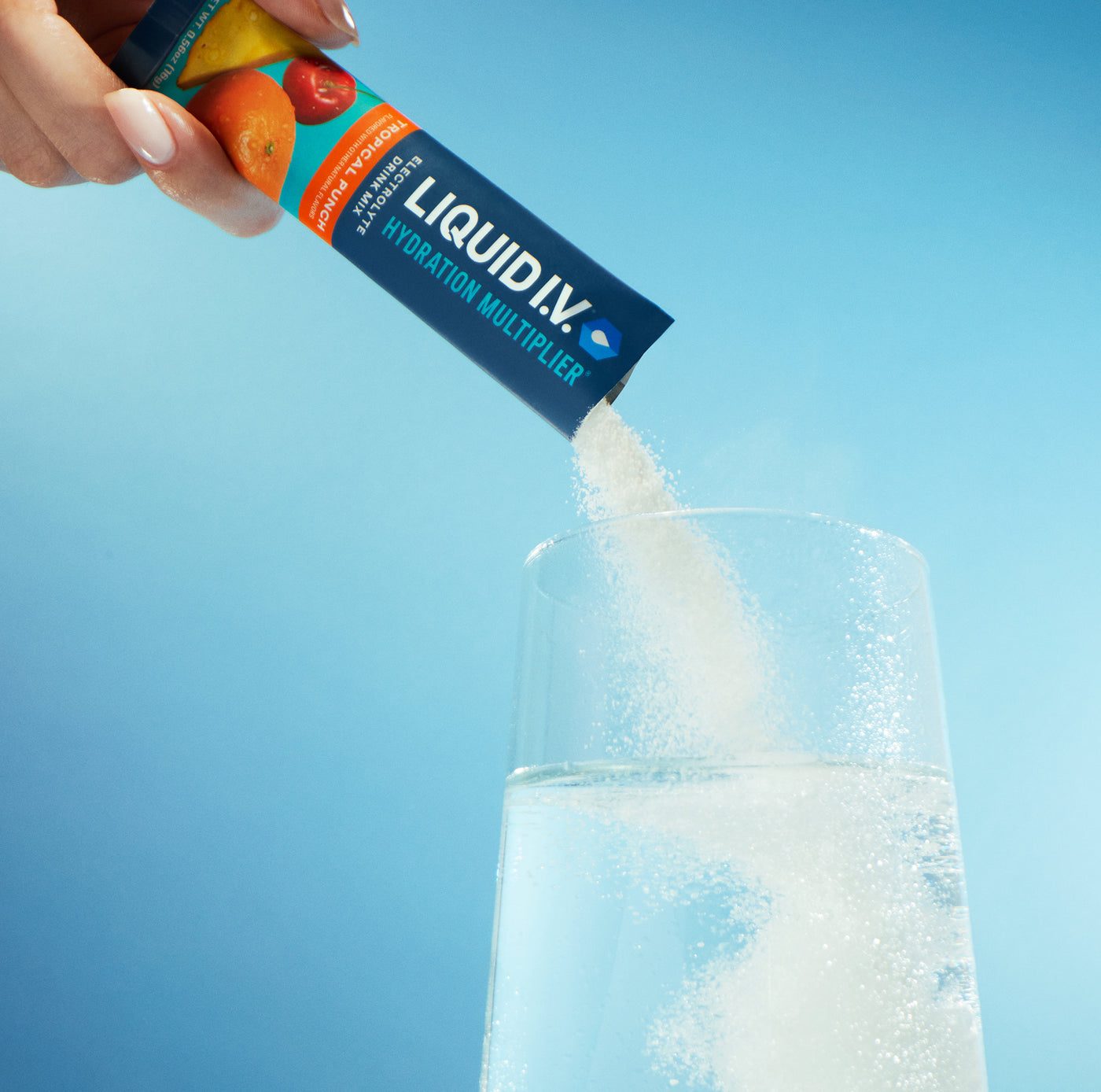
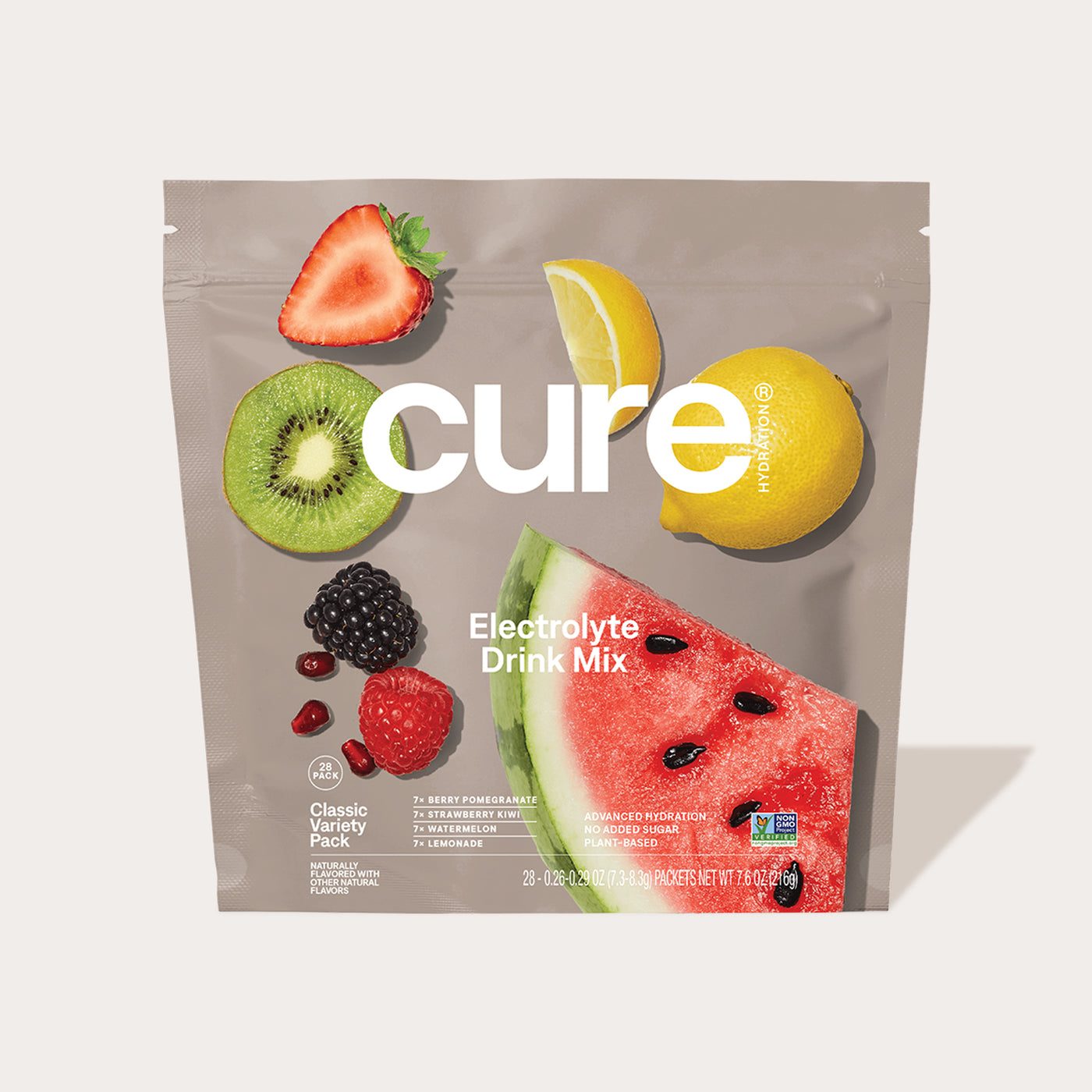
Powdered electrolyte mixes such as Liquid I.V. or Cure are formulated with set amounts of sodium, potassium and sometimes magnesium, and many add sugar, sweeteners or flavors to make them pleasant to drink. They are usually cheaper per serving, easier to carry in bulk and better tasting, and their labels make it simple to see exactly how much of each electrolyte you get.
Seaonic's advantages are different. It contains no additives at all, provides a broad spread of trace minerals in naturally occurring ratios and comes in pre-portioned liquid sachets that need no water bottle or mixing. The trade-offs are the salty taste, higher price and less precise control over individual minerals. If you prioritize taste and cost, a powder will usually win. If you want the most natural, single-ingredient option and are happy to pay for it, Seaonic is a distinctive choice. Some athletes use both: a flavored powder in a bottle during long sessions and a Seaonic sachet in the morning.
Our verdict on Seaonic
Seaonic stands out for its simplicity and its testing transparency. A single ingredient, cold processing and batch certificates make it one of the more credible marine mineral products available, and the two strengths give it genuine flexibility. The high cost per serving and the salty taste mean it will not suit everyone. For athletes, heavy sweaters and low-carb eaters who want a natural, additive-free mineral drink in 2026, it is a well-made option. Start with a single 30-sachet pack, use the isotonic version on ordinary days and keep the hypertonic sachets for long sessions or hot weather before deciding whether the larger duo packs are worth it.
Seaonic products at a glance
| Product | What it is | Price |
|---|---|---|
| Seaonic Isotonic | Microfiltered seawater diluted to 9 g/L for everyday and evening mineral support. | from $59.99 for 30 sachets |
| Seaonic Hypertonic | Full-strength 33 g/L seawater for mornings, training, fasting or heat. | from $59.99 for 30 sachets |
| Seaonic 60-Sachet Duo | 30 hypertonic and 30 isotonic sachets for a combined daily routine. | $99.99 |
| Seaonic 120-Sachet Duo | 60 hypertonic and 60 isotonic sachets, the best value per sachet. | $179.99 |
Prices as listed on the brand's site at the time of our research and may change. Check the store for current pricing.
Seaonic FAQs
Is Seaonic legit?
Yes. Seaonic sells cold-microfiltered seawater from the Bay of Biscay, produced under GMP and ISO certification, with each batch third-party tested and certificates of analysis available on request.
What is the difference between isotonic and hypertonic Seaonic?
Isotonic is diluted to 9 g/L to match body fluids and suits everyday use. Hypertonic is full-strength at 33 g/L and is intended for higher-demand situations such as training, fasting or hot weather.
Do I mix Seaonic with water?
No. The brand designs the sachets to be torn open and drunk neat, without mixing.
Is drinking seawater safe?
Seaonic is filtered and tested seawater taken in small, measured amounts, which is different from drinking untreated seawater. People on sodium-restricted diets or with kidney, heart or thyroid conditions should check with a doctor first.
How much does Seaonic cost per sachet?
At the time of our research, prices ranged from about $1.49 to $1.99 per sachet depending on pack size, with free shipping on subscription.
Athletes, heavy sweaters and low-carb or fasting eaters who want an additive-free mineral drink
Disclosure: InhouseHeal may earn a commission if you buy through links on this page. Our score is based on research of the brand's products, evidence, pricing and policies. How we review.