Jade Leaf is one of the easiest matcha brands to recommend: organic Japanese tea, clearly explained grades, honest caffeine numbers and entry prices from about $11. Its pure powders contain nothing but matcha, while the sweetened latte mixes trade some control for convenience.
What we like
- USDA Organic Japanese matcha sourced from Uji and Kagoshima
- Pure powders contain a single ingredient: matcha
- Clear grade guidance and caffeine figures for each product
- Affordable entry point, with culinary matcha from $10.99
- 60-day satisfaction guarantee and free shipping over $60
Keep in mind
- Sweetened latte mixes contain cane sugar
- Flavored and collagen versions will not appeal to purists
- Several similar products can confuse first-time buyers
- Matcha loses freshness quickly once opened
Jade Leaf Matcha brought its organic Japanese green tea powder to the US in 2014 and has since become one of the most widely available matcha brands in the country. Its tea comes through the Kizuna Tea Collective, a network of family-run farms in Japan coordinated from Kyoto, with key growing regions in Uji and Kagoshima.
Our research focused on making sense of the range. Matcha grades are often marketed vaguely, so we looked at what separates Jade Leaf's ceremonial, barista and culinary powders, how much caffeine each serving contains, and which product makes the most sense for how you plan to drink it.
Where the matcha comes from
Matcha quality is largely decided at the farm: shading before harvest, which leaves are picked, and how carefully they are stone-ground. Jade Leaf works with partner farms through the Kizuna collective, whose roots in Japan's domestic tea trade go back to 1858. Tea masters blend leaves from different farms to keep flavor consistent from harvest to harvest, which is one reason the brand tastes similar bag to bag.
The ceremonial and culinary powders are USDA Organic, vegan, gluten-free and dairy-free, and their only ingredient is organic Japanese matcha. Jade Leaf says every batch is tested by an independent, certified third-party lab and that it operates as an FDA-registered, cGMP-compliant company. As with any brand claim, those statements come from the company itself, but they are more detailed than many budget matcha sellers provide.
Grades explained: which matcha is which
Teahouse Edition (ceremonial)
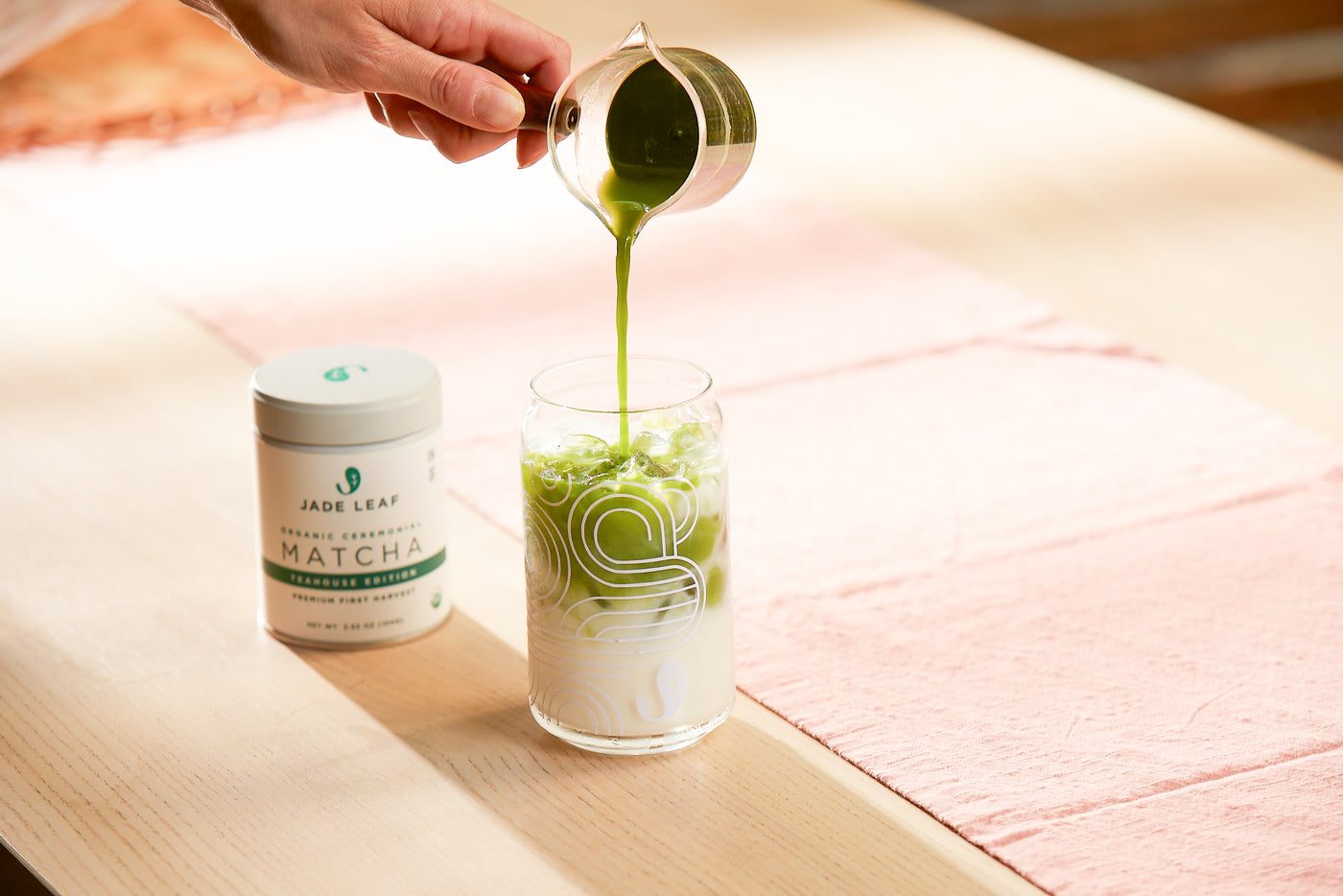
First-harvest leaves and the brand's most premium blend. It is meant for traditional whisked matcha, hot or iced, and is described as smooth, lightly nutty and softly floral. From $22.99.
Barista Edition (ceremonial)
Also first-harvest, but blended to hold its flavor in milk drinks while still working on its own. Expect mild nuttiness and umami. From $22.99, and the best pick if most of your matcha ends up as a latte.
Organic Culinary Matcha
Second-harvest leaves with a more robust, earthy profile designed for baking, smoothies and blending, where delicate flavor would be lost anyway. From $10.99.
Latte mixes and flavors
The Cafe Style Sweetened Matcha Latte Mix starts at $10.99 and combines organic matcha with organic unrefined cane sugar. Strawberry and vanilla versions, a collagen latte mix, a matcha lemonade mix and single-serve stick packs round out the range, along with hojicha (roasted green tea) powder.
See Jade Leaf Matcha's current range
Caffeine: how much is in a cup
Jade Leaf is unusually clear about caffeine, which is useful if you are swapping from coffee:
- Ceremonial matcha (Teahouse and Barista): about 20 to 40 mg per serving.
- Pure matcha powders generally: about 16 to 40 mg per serving, depending on how much you use.
- Latte mixes: about 20 to 30 mg per serving.
- Hojicha: just 5 to 10 mg, making it a good evening option.
For comparison, a typical cup of brewed coffee often contains 90 mg or more. Matcha also naturally contains L-theanine, an amino acid many people associate with a calmer, steadier feel than coffee.
Where to start, and how to prepare it
If you are brand new to matcha, the Traditional Matcha Starter Set ($24.99) or Modern Matcha Starter Set ($29.99) bundle powder with tools, while the Ceremonial Matcha Starter Bundle ($48.43) suits people who already know they enjoy it. Latte lovers should go straight to the Barista Edition, and bakers to the Culinary grade.
Preparation matters as much as the powder. Jade Leaf suggests about half to one teaspoon of matcha with 2 oz of water heated to 140 to 175°F. Boiling water scorches the tea and makes it bitter. Whisk briskly in a zig-zag motion with a bamboo whisk, or use a milk frother or blender, then top up with water or milk.
Store opened matcha airtight, away from heat, light and moisture, ideally in the fridge, and use it within a couple of months for the best color and flavor.
Pricing, shipping and the guarantee
Prices are fair for organic Japanese matcha: culinary and latte mixes start around $11, ceremonial grades around $23, and accessory bundles go up to about $48. Standard shipping is free on orders of $60 or more, with a flat $7.99 fee below that, and orders of $80 or more have included a free whisk.
Purchases from Jade Leaf or authorized US sellers are covered by a 60-day satisfaction guarantee on qualifying products, although you may need to pay return shipping. Jade Leaf is also stocked by many grocery chains and online marketplaces, which makes it easy to try a small tin before ordering larger sizes direct.
Who Jade Leaf suits, and who might want something else
Jade Leaf works best for three kinds of buyers. The first is the curious beginner, who benefits from clear grade names, starter sets and a low-cost culinary option for experimenting. The second is the daily latte drinker, for whom the Barista Edition hits a sweet spot between quality and price. The third is the home baker or smoothie maker, who needs an organic powder that holds its color and flavor without paying ceremonial prices.
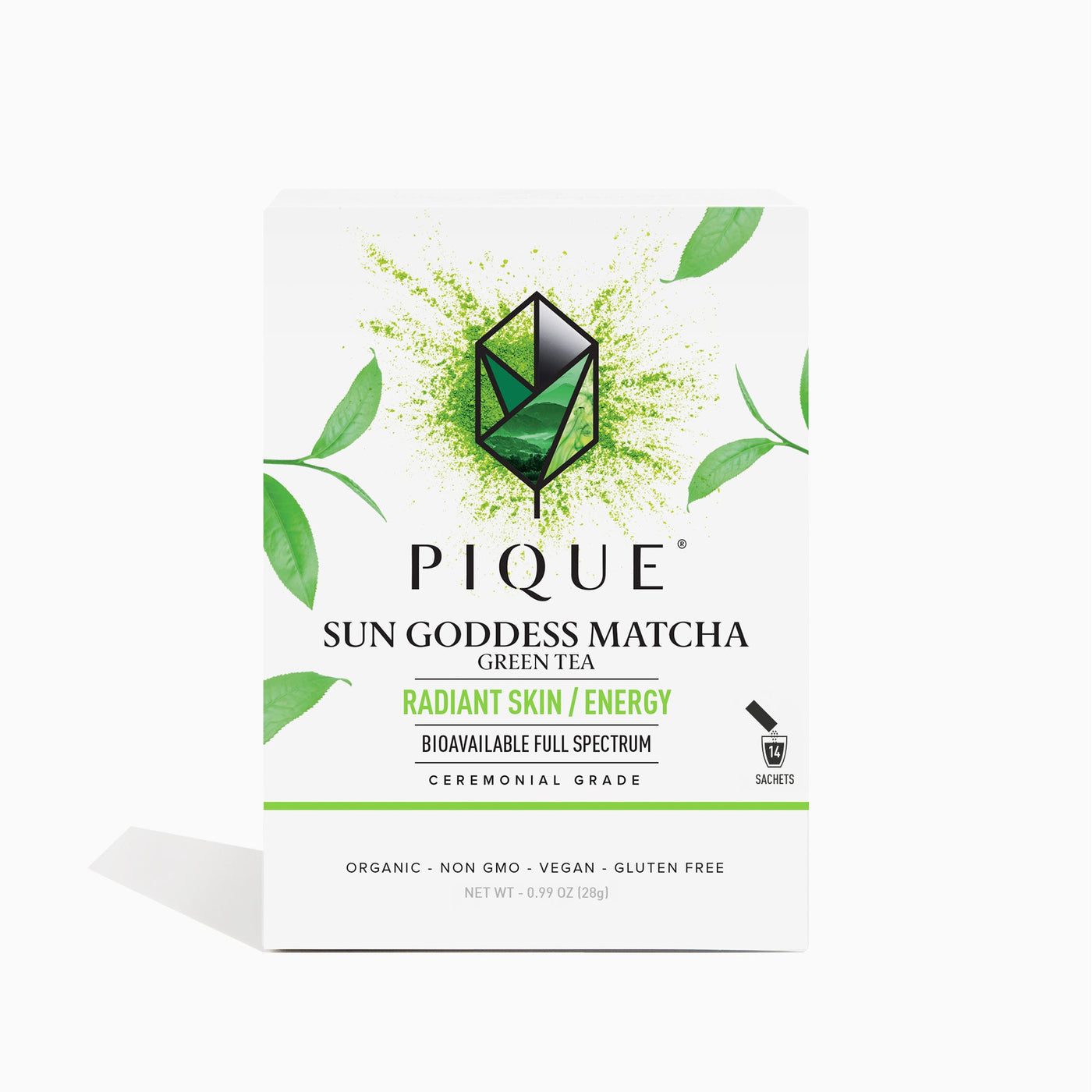
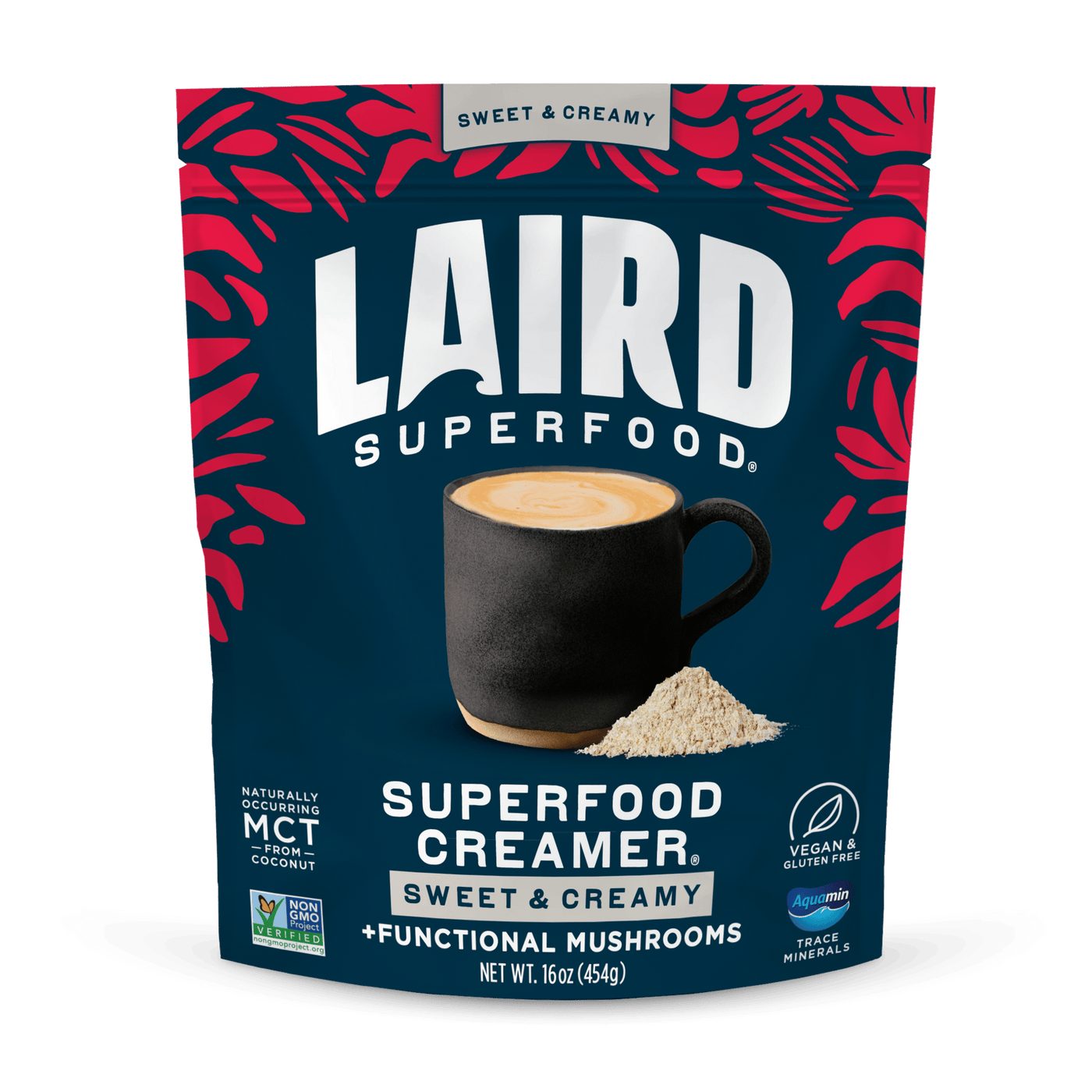
It is less of a fit for tea enthusiasts who want single-cultivar or single-estate matcha with detailed farm-level information, which is generally sold by specialist Japanese tea merchants at higher prices. People who want a matcha drink with added functional ingredients may also prefer a brand like Pique, which focuses on testing-led wellness teas, or MUD\WTR if they want a lower-caffeine coffee alternative built around mushrooms and spices.
If you are cutting sugar, stick with the pure powders and sweeten lightly yourself. A teaspoon of honey or a splash of vanilla in oat milk gives you far more control than a pre-sweetened mix.
Our verdict
Jade Leaf is a dependable, approachable matcha brand with organic certification, real Japanese sourcing and a range that covers every way people drink matcha. It is not the most exclusive single-estate tea you can buy, but for daily lattes, morning bowls and baking it offers a strong balance of quality, clarity and price. Choose the pure powders if you want full control over sugar, and keep the latte mixes for convenience.
Jade Leaf Matcha products at a glance
| Product | What it is | Price |
|---|---|---|
| Organic Teahouse Edition Ceremonial Matcha | First-harvest, premium ceremonial blend for traditional whisked matcha. | from $22.99 |
| Organic Barista Edition Ceremonial Matcha | First-harvest blend designed to shine in lattes and milk drinks. | from $22.99 |
| Organic Culinary Matcha | Second-harvest, earthier matcha for baking, smoothies and blending. | from $10.99 |
| Cafe Style Sweetened Matcha Latte Mix | Organic matcha with unrefined cane sugar for quick lattes. | from $10.99 |
| Ceremonial Matcha Starter Bundle | A bundle of ceremonial powder and tools for people ready to commit. | $48.43 |
Prices as listed on the brand's site at the time of our research and may change. Check the store for current pricing.
Jade Leaf Matcha FAQs
Is Jade Leaf Matcha really from Japan?
Yes. Jade Leaf sources its matcha through the Kizuna Tea Collective, a network of family-run farms in Japan, with key regions in Uji and Kagoshima.
What is the difference between Teahouse and Barista Edition?
Both are first-harvest ceremonial matcha. Teahouse is the most delicate blend, best whisked with water, while Barista is blended to hold its flavor in milk-based lattes.
How much caffeine is in Jade Leaf matcha?
Ceremonial servings contain roughly 20 to 40 mg, latte mixes about 20 to 30 mg, and hojicha about 5 to 10 mg.
Is Jade Leaf Matcha organic?
The ceremonial and culinary powders are USDA Organic and contain only organic Japanese matcha. Latte mixes include other organic ingredients such as cane sugar.
Does Jade Leaf offer free shipping?
Yes, on US orders of $60 or more. Smaller orders have a flat $7.99 shipping fee.
Matcha beginners and daily latte drinkers who want organic, clearly graded Japanese tea
Disclosure: InhouseHeal may earn a commission if you buy through links on this page. Our score is based on research of the brand's products, evidence, pricing and policies. How we review.