Heart & Soil turns organ meats most people never cook into freeze-dried capsules, sourced from regeneratively raised, grass-fed cattle and certified by Informed Sport. It is a well-run, transparent brand for its niche, but you need to take several capsules a day and think carefully about vitamin A and iron if you add organs on top of an already rich diet.
What we like
- Grass-fed, grass-finished, regeneratively raised cattle with no added hormones
- Freeze-dried organs to help preserve nutrients, with no fillers or flavorings
- Informed Sport certification with batch-by-batch testing on Beef Organs
- Subscriptions save 10% to 30% depending on supply length
- Free 60-day returns and free US shipping over $100
Keep in mind
- Six capsules a day is a lot for some people
- Animal-based products do not suit vegetarians or vegans
- Liver-containing products add significant vitamin A, which needs care
- Benefits are mostly nutritional; claims beyond that are largely anecdotal
Heart & Soil was founded in 2020 by Dr. Paul Saladino, a physician known for advocating an animal-based, ancestral approach to eating. The brand's idea is simple: organ meats such as liver, heart and kidney are among the most nutrient-dense foods available, but few people want to cook them. Heart & Soil freeze-dries organs from grass-fed cattle and puts them into capsules.
It has since added colostrum and bundles aimed at men and women. In our research, we looked at sourcing, testing, which product to start with, pricing and the safety considerations that matter more with organ supplements than with ordinary vitamins.
The philosophy, sourcing and testing
Heart & Soil's approach is to supply nutrients in the form they appear in whole foods, rather than isolated synthetic vitamins. Organ meats naturally provide vitamin A, B12, folate, copper, iron, zinc and other nutrients in combinations that occur in food. The brand argues that this mirrors how traditional cultures ate, using the whole animal.
Whether that is better than a well-designed multivitamin is debated, and evidence comparing the two directly is limited. What is clear is that organ meats are genuinely nutrient-dense, and capsules are a practical way to include them for people who will not eat liver.
Sourcing and testing
Heart & Soil says its supplements come from regeneratively raised cattle that are grass-fed and grass-finished, without added hormones, antibiotics or pesticides, and free of preservatives, fillers and GMOs. Organs are freeze-dried to help preserve their nutrients and then encapsulated.
On testing, Beef Organs is certified by Informed Sport, which tests each batch individually rather than relying on composite samples, and screens against prohibited-substance lists used by WADA and major sports leagues. The brand also describes third-party testing by independent labs during and after manufacturing, and says quality and purity information is available on request. For an organ supplement, that is a strong level of assurance.
The main products
- Beef Organs: the flagship, combining liver, heart, pancreas, spleen and kidney. Each bottle holds 180 capsules of 500 mg, and the full serving is six capsules a day.
- Grass-Fed Colostrum: a simple colostrum powder with no flavors or long ingredient list, which reviewers mix into coffee or yogurt. Colostrum is the first milk produced after birth and is often used for gut and immune support.
- Bone Marrow & Liver: a combination of bone marrow and liver for people focused on fat-soluble nutrients.
- Whole Package and Her Package: broader blends aimed at men and women respectively.
See Heart & Soil's current range
Where to start
For most first-time buyers, Beef Organs is the obvious choice because it covers the widest spread of organs in one bottle. Follow the brand's own suggestion and start slowly: take one capsule a day for a week, then add one more each week until you reach the full six-capsule serving. That helps your digestion adjust and lets you notice how you feel.
If you are more interested in gut support than in organ nutrients, Grass-Fed Colostrum is a gentler entry point and easy to add to a drink. Leave the larger packages until you know you tolerate the basics.
Pricing, subscriptions and returns
At the time of our research, Beef Organs was about $52 as a one-time purchase. Subscriptions lower the monthly cost: about $46.80 per month for a 30-day supply (10% off), $41.60 per month on a 60-day plan (20% off) and $36.40 per month on a 90-day plan (30% off). The brand describes its subscriptions as no-commitment, so you can change or cancel at any time.
US orders over $100 ship free, and the brand offers free 60-day returns through an online portal, which is generous for a supplement company. First-time auto-ship orders have been discounted by up to 30%, and email sign-ups receive a welcome offer.
Capsules versus eating organ meat
It is worth asking whether you need a supplement at all. A small portion of beef or chicken liver once a week provides a large dose of the same nutrients for a fraction of the cost, and many traditional dishes, from pâté to heart skewers, make organs more palatable. If you are willing to cook and eat them, food is the cheaper route.
Capsules make sense when taste, texture or time stands in the way. They also offer a steady, measured amount each day and travel easily. One full six-capsule serving provides about three grams of freeze-dried organ, which is a modest amount compared with a portion of fresh liver, so the capsules are best seen as a daily top-up rather than a replacement for a balanced diet. Many people combine the two: occasional organ meals plus a smaller daily capsule serving.
Safety: vitamin A, iron and more
Organ supplements are food-based, but they are concentrated. A few points deserve attention:
- Vitamin A: liver is very high in preformed vitamin A. If you already eat liver, take cod liver oil or use a multivitamin with vitamin A, check your total intake, and be especially careful during pregnancy, when excess vitamin A can be harmful.
- Iron and copper: people with hemochromatosis or other iron or copper disorders should avoid organ supplements unless their doctor approves.
- Purines: organ meats are high in purines, which matters for people with gout.
- Dairy: colostrum is a dairy product and is not suitable for people with a milk allergy.
Our verdict
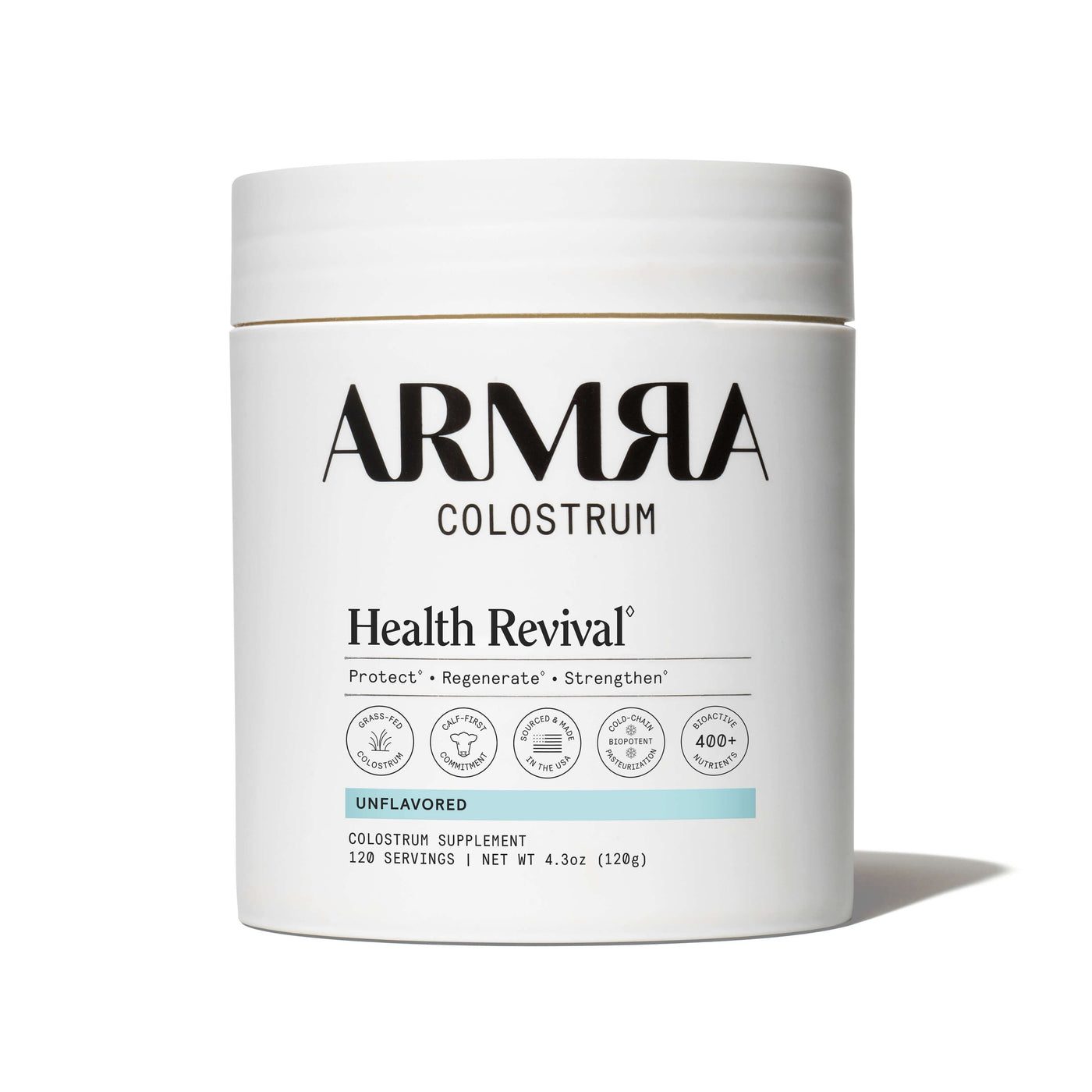
Heart & Soil is a carefully sourced, well-tested brand that does exactly what it promises: puts real organ meat into a capsule. It is best for people already drawn to ancestral or animal-based eating. Start slowly with Beef Organs, mind your vitamin A intake, and use the 60-day returns if it is not for you. If you mainly want colostrum, ARMRA is a dedicated alternative worth comparing.
Heart & Soil products at a glance
| Product | What it is | Price |
|---|---|---|
| Beef Organs | Freeze-dried liver, heart, pancreas, spleen and kidney; 180 x 500 mg capsules. | about $52 (one-time) |
| Grass-Fed Colostrum | Simple colostrum powder to mix into coffee, yogurt or smoothies. | — |
| Bone Marrow & Liver | Capsules combining bone marrow with liver for fat-soluble nutrients. | — |
| Her Package | Organ-based blend designed with women's needs in mind. | — |
| Whole Package | Broader organ blend in a single product. | — |
Prices as listed on the brand's site at the time of our research and may change. Check the store for current pricing.
Heart & Soil FAQs
Who founded Heart & Soil?
Heart & Soil was founded in 2020 by Dr. Paul Saladino, MD, an advocate of animal-based, ancestral nutrition.
How many Beef Organs capsules should I take?
The full serving is six capsules daily. The brand suggests starting with one capsule and adding one each week until you reach six.
Is Heart & Soil third-party tested?
Yes. Beef Organs is certified by Informed Sport, which tests each batch, and the brand describes additional independent lab testing during and after manufacturing.
Can I take organ supplements while pregnant?
Speak to your doctor or midwife first. Liver is very high in vitamin A, and excess preformed vitamin A can be harmful during pregnancy.
What is Heart & Soil's return policy?
The brand offers free 60-day returns through its online return portal, and US orders over $100 ship free.
People following animal-based or ancestral diets who do not enjoy eating organ meats
Disclosure: InhouseHeal may earn a commission if you buy through links on this page. Our score is based on research of the brand's products, evidence, pricing and policies. How we review.