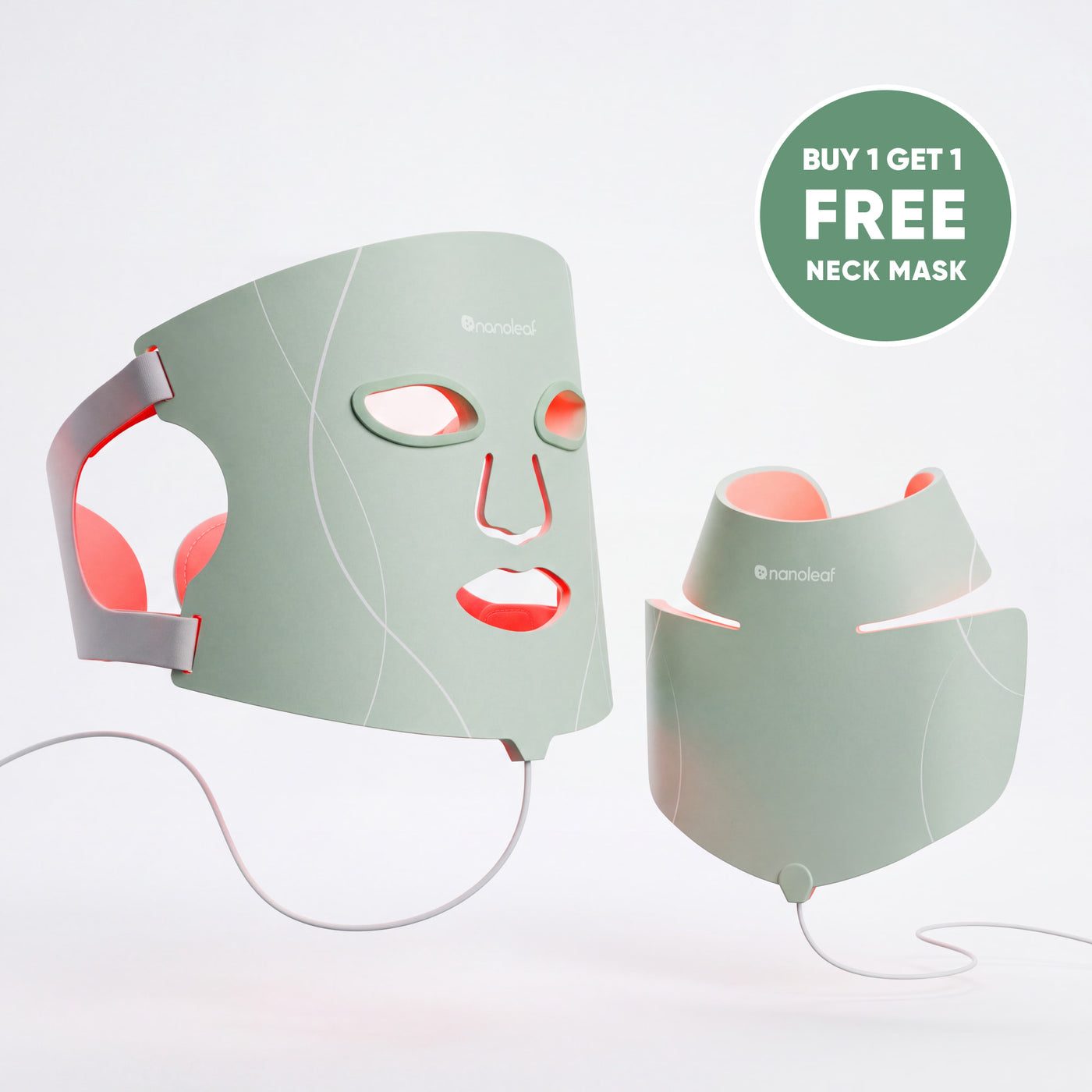
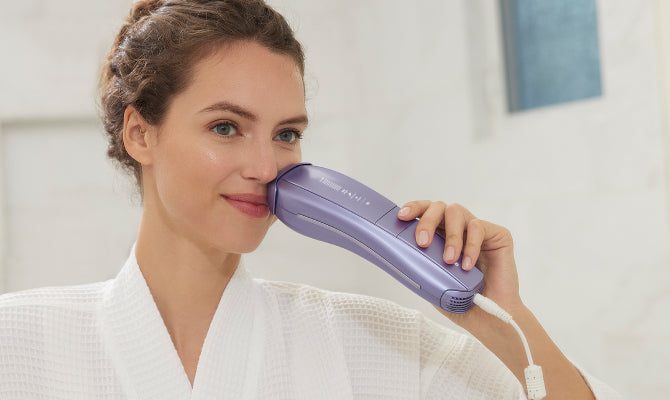
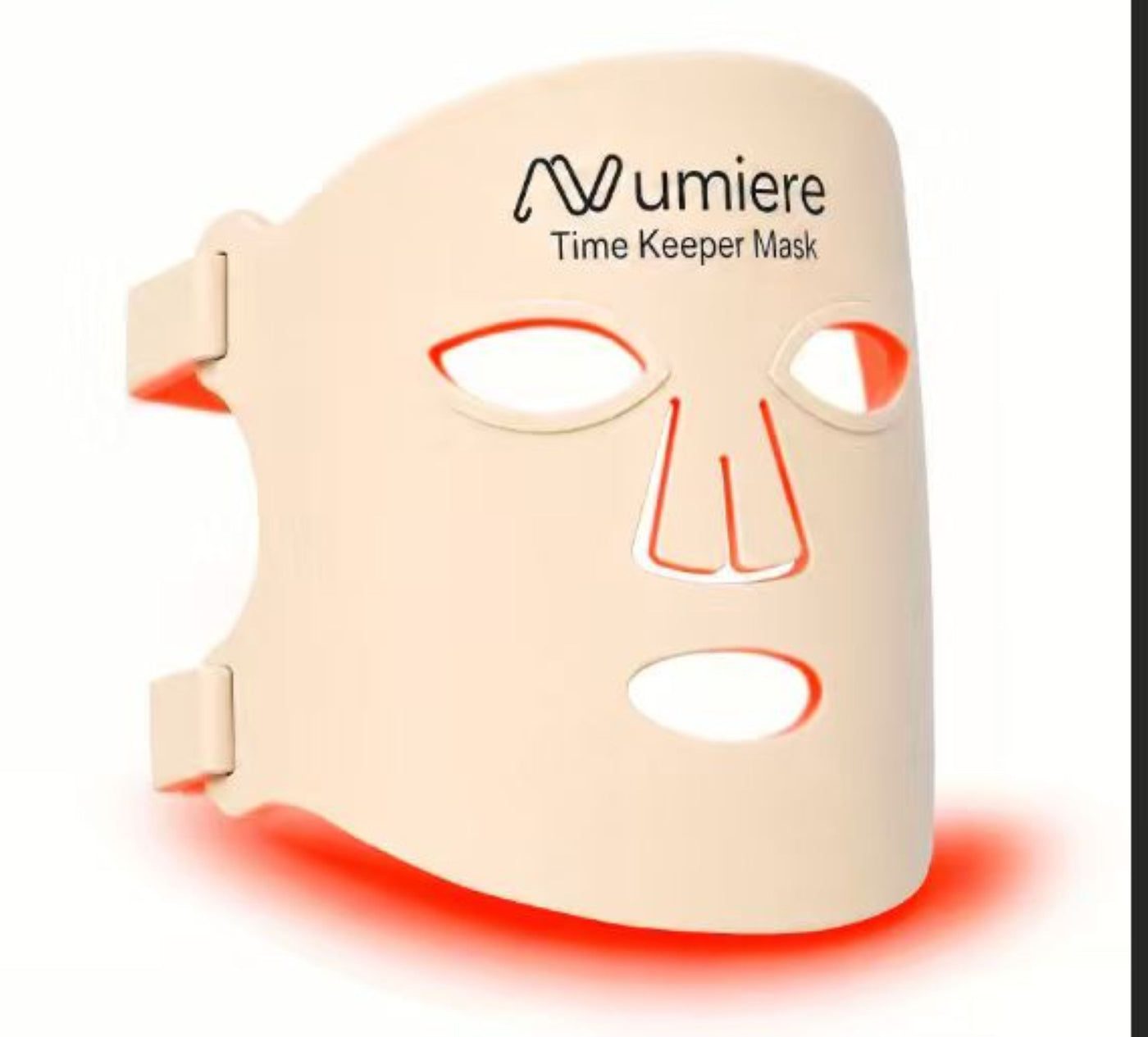
Red light therapy has gone from dermatology clinics and sports physio rooms to bathroom shelves. Today you can buy flexible LED face masks, wall-mounted panels, strap-on pads and wearable laser modules for joints. Most use red light around 630 to 660 nm and near-infrared around 830 to 850 nm, but devices differ greatly in coverage, power, comfort and evidence.
We compared leading brands on published wavelengths and specs, regulatory claims, build quality, warranty and return terms. Below are our top picks by goal, then advice on choosing a format and using it safely.
- Omnilux — Best LED face mask overall
- Therabody — Best high-tech mask
- CurrentBody — Best flexible mask for spec-focused buyers
- Solawave — Best for quick routines
- BON CHARGE — Best range of masks and panels
- Kineon — Best for joints
- Novaa Lab — Best wearable pads for aches
- Cyto LED — Best value panels in Europe

Omnilux
Omnilux's Contour Face mask uses 633 nm red and 830 nm near-infrared light across 132 LEDs in flexible silicone, with 10-minute cordless sessions. The brand cites more than 40 peer-reviewed studies and offers a two-year warranty.
Therabody
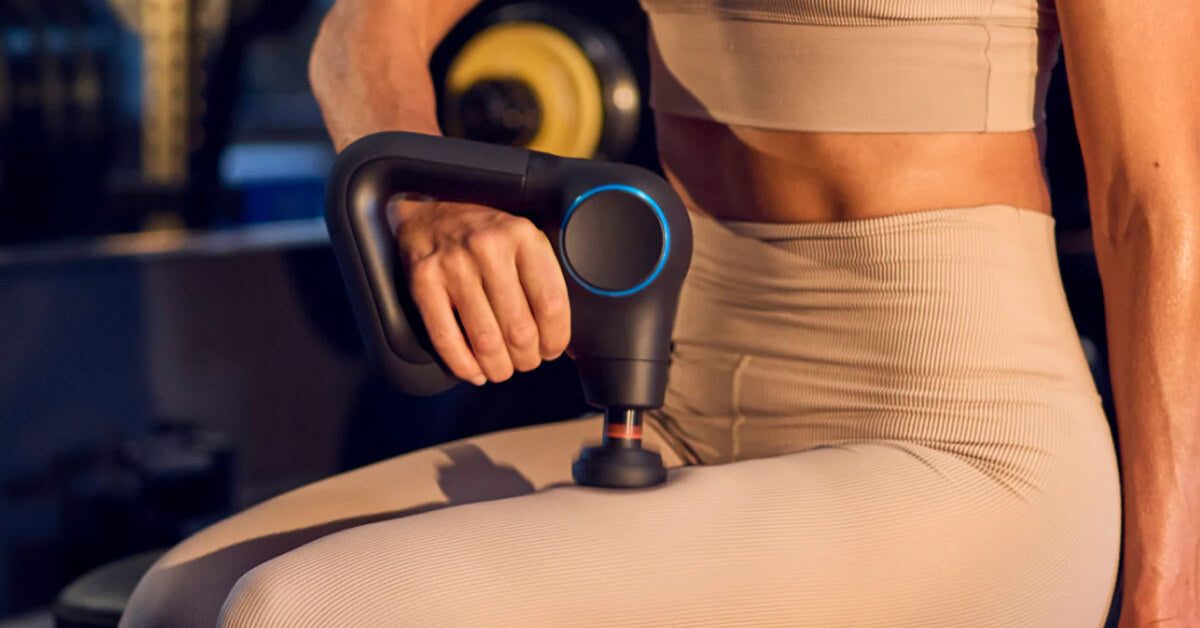
The TheraFace Mask combines red, near-infrared and blue light with built-in massage, removable eye shields and about 120 minutes of battery life. It is described as FDA-cleared, and the cheaper Mask Glo offers a way into the brand.
CurrentBody
CurrentBody Skin's Series 2 and Series 3 masks use 633 nm and 830 nm light in a soft silicone design that covers under the eyes and around the mouth, with roughly 10-minute sessions.
Solawave
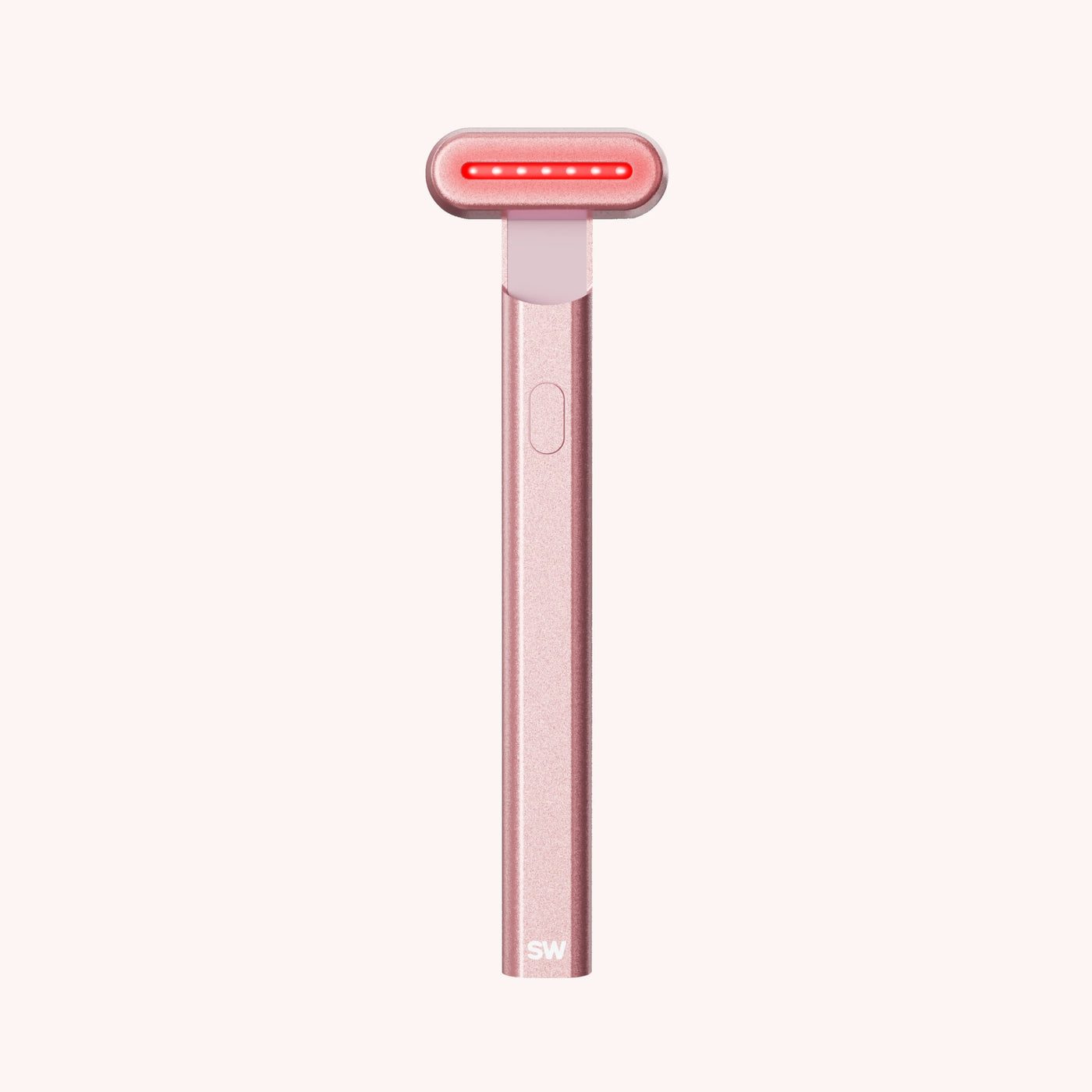
Solawave's Wrinkle Retreat Pro mask runs in about three minutes, and its 4-in-1 wand pairs 630 nm red light with warmth and massage. A 60-day money-back guarantee makes it a low-risk start.
BON CHARGE
BON CHARGE sells everything from a $349 cordless face mask to panels from about $199 up to $1,599 and a full-body blanket, making it easy to build a whole-body routine from one brand.
Kineon
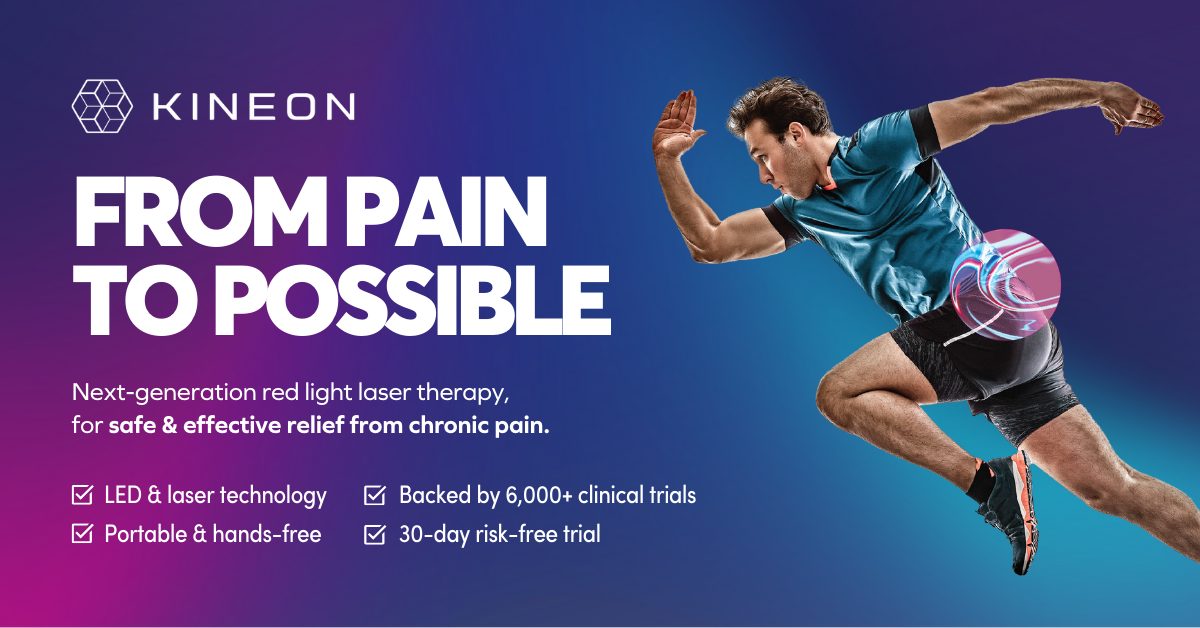
Kineon's MOVE+ straps 660 nm LEDs and 808 nm Class 1 lasers around knees, shoulders and elbows for 5- to 15-minute sessions, with a money-back guarantee after a 30-day course.

Novaa Lab
Novaa Lab's flexible pads, shaped for the back, knee and feet, list their LED counts and use 660 nm and 850 nm light. A 60-day return window is generous.

Cyto LED
Cyto LED sells a simple ladder of 660/850 nm panels from the 35-LED Zero to the 350-LED full-body Pentaplex, with clear LED counts and wattage at fair euro prices.
Masks, panels, pads or wearables?
- LED face masks are hands-free and focus on skin. Flexible silicone masks sit closer to the face than rigid ones. Expect about $250 to $650.
- Panels cover larger areas, from the face to the whole body, but you need to stay in front of them and find a place to mount or stand them.
- Pads and wraps strap directly onto a body area such as the back or knee and are easy to use while resting.
- Joint wearables add low-power lasers to LEDs in small modules for targeted use on one or two joints.
Choose by your main goal: skin points to a mask, general recovery to a panel, and a specific sore area to a pad or wearable.
The specs that matter
Wavelengths are the first thing to check. Red around 630 to 660 nm and near-infrared around 830 to 850 nm are the most widely studied bands; blue around 415 nm is used for blemish-prone skin. Brands that publish exact wavelengths are easier to trust.
Power and coverage come next. LED count and wattage tell you about size, but irradiance, the light that actually reaches your skin at a set distance, is the best comparison across brands, and few publish it. For masks, fit matters more than raw power because light needs to reach the skin evenly.
Finally, check regulatory claims and policies. Some masks are described as FDA-cleared; others make no claim. A long trial period and a warranty of two years or more add real value on a device you need to use for weeks before judging.
Building a routine that works
- Pick a regular slot, such as after cleansing at night, and use the device on most days.
- Follow the recommended session time. Longer is not better.
- Use it on clean skin for masks and pads, without thick creams that block light.
- Track progress with photos for skin or a simple comfort score for joints, every two weeks.
- Give it time. Most brands suggest four to eight weeks before judging results.
What you get at each price point
- Under $200: handheld wands, small spot devices and some entry-level panels. Good for targeted use, but coverage is limited and sessions take more effort.
- About $250 to $450: most full-face LED masks, neck masks and body-specific pads. This is the sweet spot for skin-focused buyers, and the range where flexible silicone and published wavelengths become common.
- About $500 to $1,000: premium multi-mode masks with extras such as massage, plus mid-size panels and larger pads for the back and hips.
- Over $1,000: full-body panels, red light blankets and recovery pods for people committed to whole-body sessions.
Spending more buys coverage and convenience, not guaranteed results. A well-fitted mid-range device you use consistently will usually beat an expensive panel that gathers dust.
Red light safety basics
Home red light devices are generally considered low risk, but a few precautions matter. Protect your eyes with goggles or closed eyes, especially with bright panels. Talk to a doctor or dermatologist first if you are pregnant, have a light-sensitive condition, a history of skin cancer, or take photosensitizing medication such as some acne treatments or antibiotics. Do not use red light as a substitute for medical care for injuries, persistent pain or skin disease.
FAQs
Does red light therapy really work?
Research on red and near-infrared light for skin and joint comfort is promising but still developing. Results tend to be gradual and modest, and they depend on consistent use of a device with suitable wavelengths.
How often should I use a red light mask?
Most brands recommend several sessions a week. Omnilux, for example, suggests 10 minutes three to five times a week for four to six weeks, then maintenance.
What wavelength is best for red light therapy?
Red light around 630 to 660 nm and near-infrared around 830 to 850 nm are the most common. Blue light around 415 nm is used for blemishes.
Is a panel or a mask better?
A mask is better for focused, hands-free skin care. A panel covers larger areas for general recovery but needs space and a fixed position.
Are red light devices safe for the eyes?
Bright LEDs can be uncomfortable or harmful to look into. Use the eye protection supplied, or keep your eyes closed, and follow the manufacturer's instructions.
Disclosure: InhouseHeal may earn a commission if you buy through links in this guide. Picks are based on our research of each brand's products, evidence, pricing and policies.