
Home heat therapy has never been easier to try. You can zip yourself into an infrared sauna blanket on the sofa, sit in a portable steam tent in a spare room, or build a wood-lined cabin in the backyard. Each format delivers a good sweat, but they differ hugely in price, space, setup and how much they feel like a real sauna.
We researched the leading brands on build quality, published specs such as heat range and EMF levels, warranties, return policies and value. Below are our picks for different needs and budgets, followed by practical advice on choosing and using a home sauna safely.
- Sun Home Saunas — Best infrared sauna cabin overall
- HigherDOSE — Best premium sauna blanket
- Lifepro — Best budget sauna blanket
- BON CHARGE — Best for a complete light-and-heat routine
- SaunaBox — Best for small spaces
- Plunge — Best for a matched sauna and cold plunge
- Redwood Outdoors — Best if you prefer traditional heat
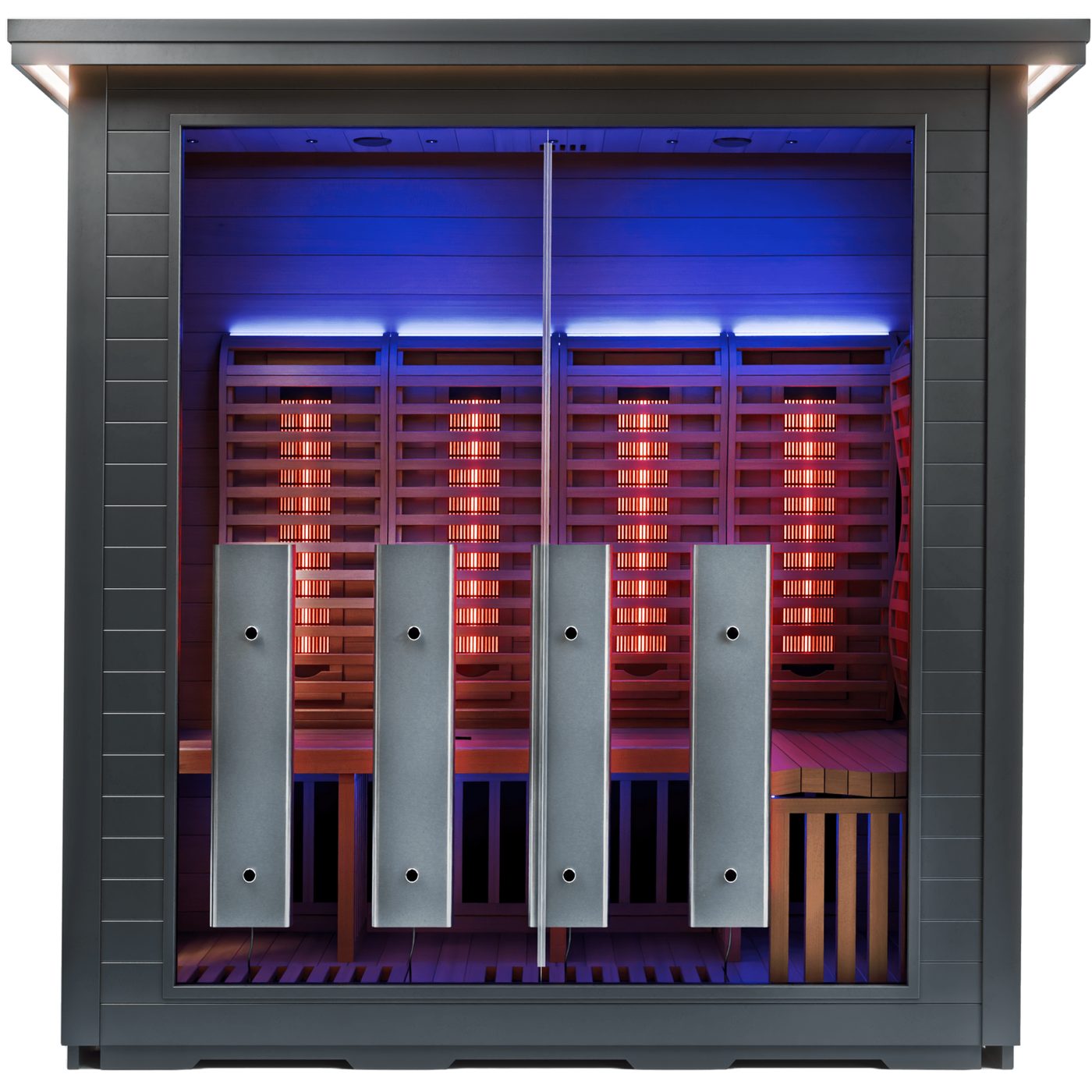
Sun Home Saunas
Sun Home covers 1- to 5-person full-spectrum infrared cabins, including the outdoor Luminar in Canadian red cedar and the indoor Eclipse in Japanese cedar. It says its EMF and ELF levels are third-party verified, and most models carry a limited lifetime warranty with free freight shipping and Affirm financing.
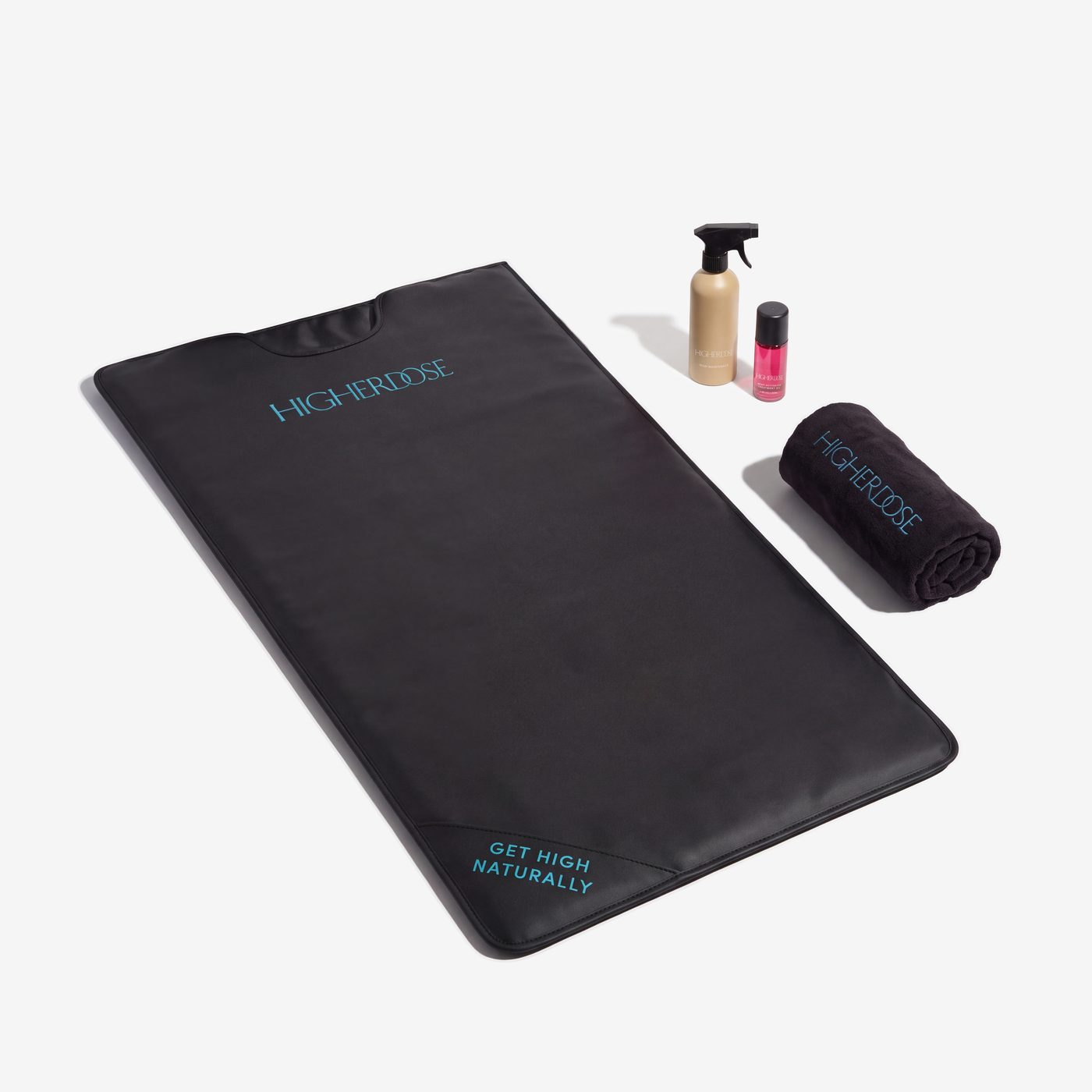
HigherDOSE
The HigherDOSE Infrared Sauna Blanket heats to about 175°F, wipes clean and feels plush and well finished. A 120-day money-back guarantee and HSA/FSA eligibility soften the roughly $699 price.

Lifepro
Lifepro's RejuvaWrap offers nine heat levels from about 95°F to 176°F, a 5- to 60-minute auto shut-off and reported low EMF readings for around $400 on sale. It skips luxury extras but covers everything most people need.

BON CHARGE
BON CHARGE's carbon fiber sauna blanket reaches about 176°F and keeps plastic layers away from the skin. The brand also sells red light masks, PEMF mats and sleep tools, so it suits people building a full evening routine, though its return terms deserve a careful read.
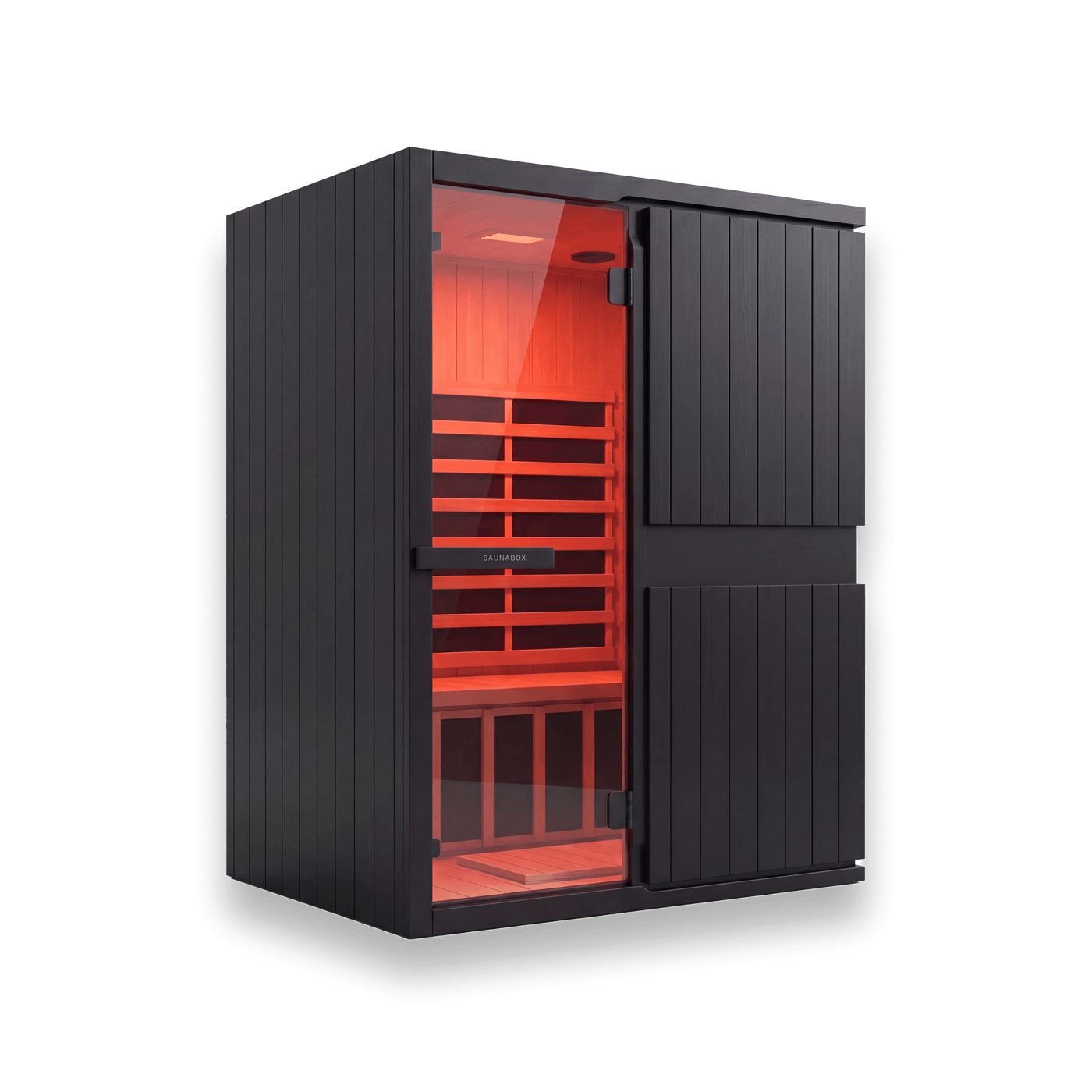
SaunaBox
SaunaBox runs from a $299 SmartSteam portable steam sauna to the compact Solara 1-Person infrared cabin, which plugs into a standard 110V outlet. It is the easiest way to start small and trade up later.
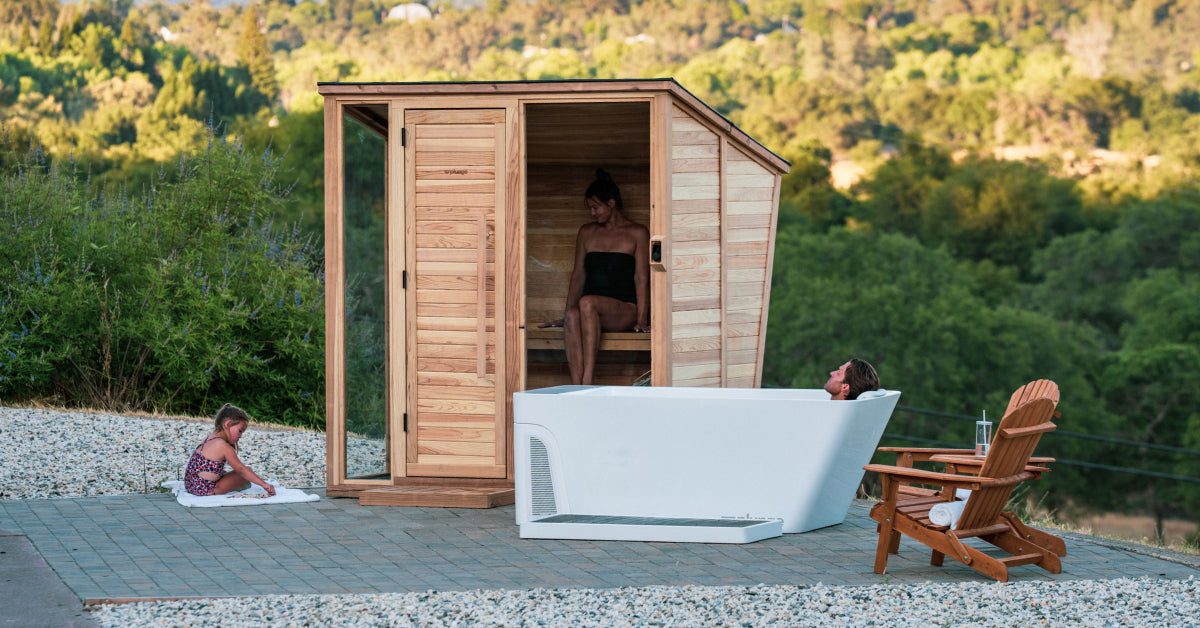
Plunge
Plunge's Infrared Sauna and traditional Sauna, which heats to 230°F, are designed to sit beside its cold plunges, and bundles combine both. Financing at 0% APR for up to 24 months helps spread the cost.
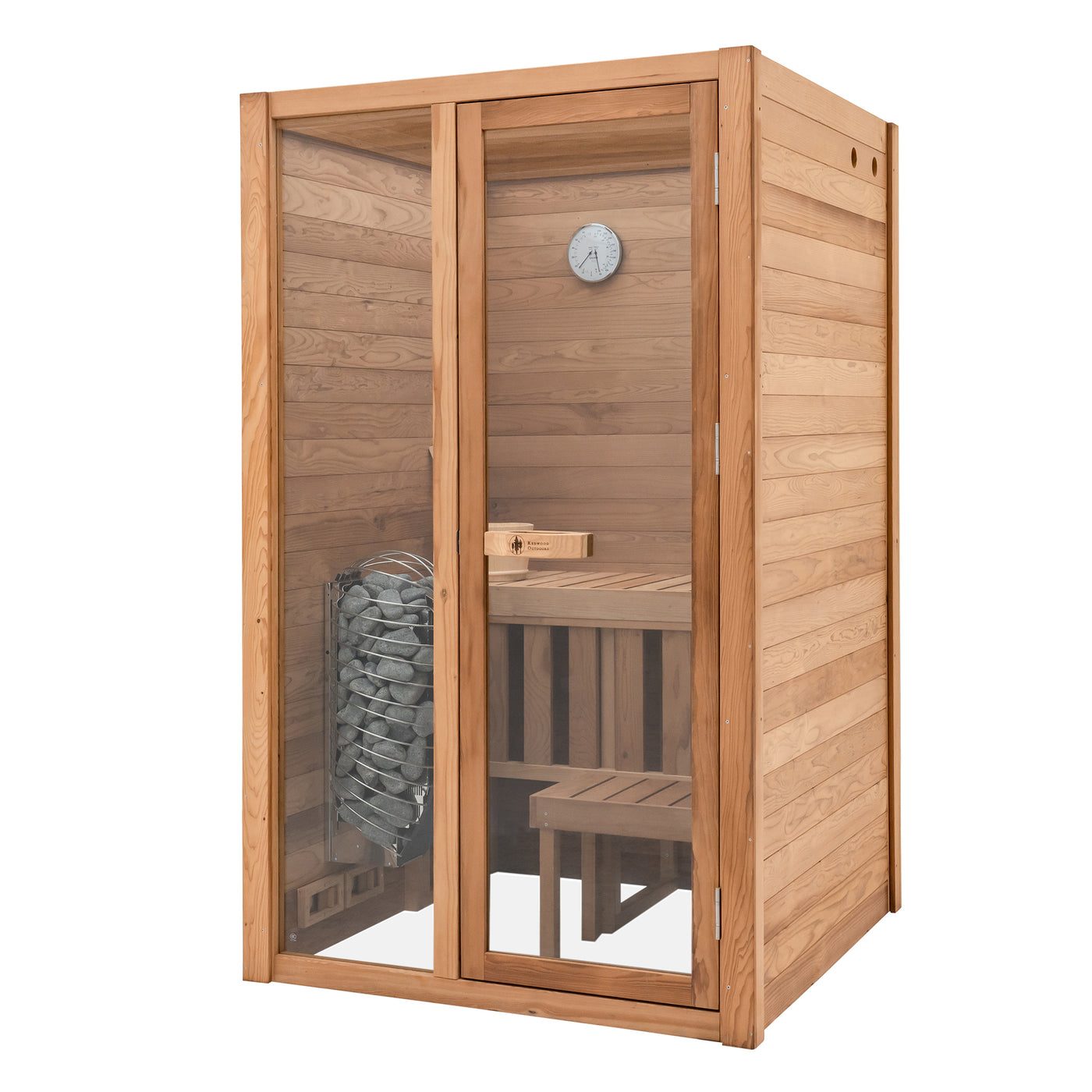
Redwood Outdoors
If infrared does not appeal, Redwood Outdoors builds traditional barrel, cube and cabin saunas from about $4,299 with clear online pricing, FSC-certified timber and showrooms in four US cities.
Blanket, tent or cabin: which format suits you?
Sauna blankets are the cheapest and most compact option. You lie inside a heated, zip-up wrap for a deep sweat, then fold it away. They suit apartments and anyone unsure how often they will use a sauna, though you are lying down rather than sitting in open air.
Portable tents, steam or infrared, give you a seated experience for a few hundred dollars and pack down when guests arrive. They feel less solid than a cabin, but they are a big step up from a blanket in terms of space.
Cabins are the real thing: wooden rooms with benches, glass doors and controls. Infrared cabins run at lower air temperatures and warm the body directly, which many people find easier to tolerate; traditional cabins run hotter and let you create steam. Expect a significant budget, freight delivery, self-assembly and, for larger units, a dedicated 240V circuit.
What to look for before you buy
- Heat range and controls: a wide range lets beginners start gently and progress. Look for an auto shut-off on blankets.
- EMF claims: many brands advertise low EMF. Prefer those that state figures or third-party testing, and remember testing can vary by model.
- Materials: for blankets, check what touches your skin and how easy it is to clean. For cabins, look at the wood species and any VOC testing.
- Size and fit: taller users should check blanket length and cabin headroom. Size up a cabin if you can, so you can lie down.
- Warranty and returns: trial periods range from 30 to 120 days, and warranties from one year to limited lifetime. Large freight items are rarely easy to return, so read terms first.
The real cost of a home sauna
The sticker price is only part of the budget. Blankets need little more than electricity and a cotton liner. Cabins may need an electrician, a level base for outdoor installs, helpers for assembly and occasional maintenance. Running costs are modest for most models, but larger heaters draw more power. Several brands offer financing, and many products may be eligible for HSA or FSA spending through programs such as Truemed, which can reduce the effective cost for eligible buyers.
Using a home sauna safely
- Start short and low. Begin with brief sessions on lower settings and build up over weeks.
- Hydrate. Drink water before and after, and add electrolytes after heavy sweating.
- Skip alcohol before or during sessions, and do not use a sauna when unwell.
- Listen to your body. Stop if you feel dizzy, nauseous or unwell, and sit up slowly after a blanket session.
- Check with a doctor first if you are pregnant, have heart or blood pressure conditions, or take medication that affects heat tolerance.
Sweating feels great, but it is not a medical detox; your liver and kidneys handle that job. Treat a sauna as a relaxation and recovery habit rather than a cure.
FAQs
Is an infrared sauna blanket as good as a sauna?
A blanket delivers a similar deep sweat for far less money and space, but it does not feel like sitting in a heated room. Many people start with a blanket and move to a cabin if they use it regularly.
How hot do infrared sauna blankets get?
Most of the blankets we looked at reach about 175 to 176°F at the heating surface, with lower settings for beginners.
Do I need an electrician for a home sauna?
Blankets, portable tents and some compact cabins plug into a standard 110V outlet. Larger cabins and traditional heaters often need a dedicated 240V circuit installed by a licensed electrician.
What is the difference between infrared and traditional saunas?
Infrared saunas warm the body directly at lower air temperatures. Traditional saunas heat the air with a stove, run hotter and let you pour water on stones for steam.
Can I use HSA or FSA money on a sauna?
Many sauna brands say their products may be eligible, often through Truemed with a letter of medical necessity. Eligibility depends on your plan and health assessment.
Disclosure: InhouseHeal may earn a commission if you buy through links in this guide. Picks are based on our research of each brand's products, evidence, pricing and policies.