A home gym does not have to mean a converted garage full of iron. For some people it is a pair of adjustable dumbbells and a bench in the corner of a bedroom; for others it is a folding treadmill, a wall-mounted smart trainer or a full rack with plates. The right setup is the one that fits your space, your budget and, above all, the training you will actually do.
We researched dozens of fitness brands for InhouseHeal, looking at product specs, pricing, warranties, delivery and return policies, and the kind of buyer each one serves best. The picks below cover the main routes into home training, from smart strength systems to budget cardio, followed by practical advice on choosing equipment, planning your space and avoiding expensive mistakes.
- Tonal — Best smart home gym
- Bowflex — Best adjustable dumbbells
- Bells of Steel — Best value for garage gyms
- Major Fitness — Best all-in-one rack machine
- Horizon Fitness — Best-value treadmill
- Matrix Fitness — Best premium cardio
- MERACH — Best budget cardio
- YOUR Reformer — Best for Pilates at home
Tonal
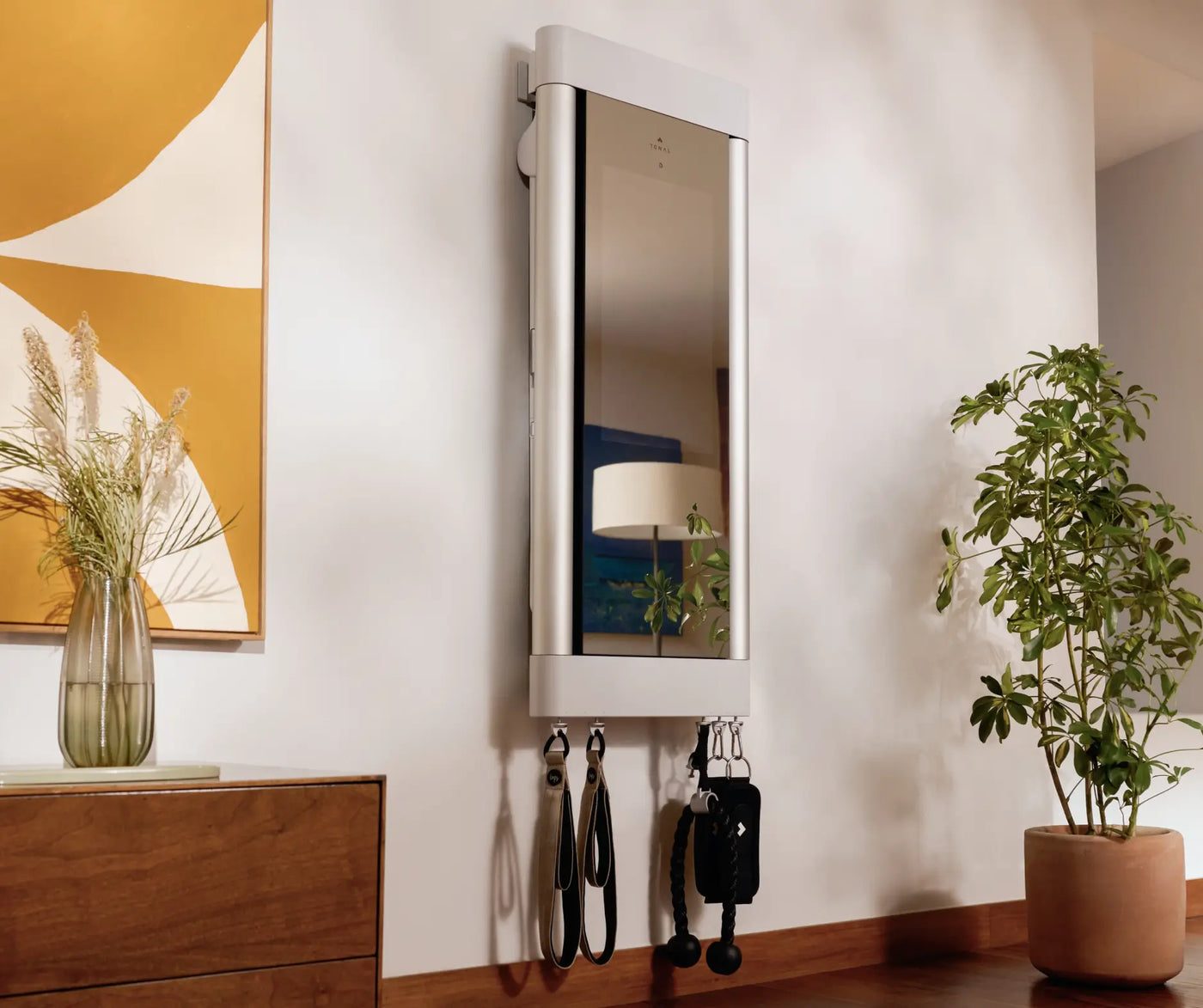
Tonal replaces a rack, cables and plates with up to 250 lb of digital resistance in a unit that sits just 5.5 inches off the wall. Adaptive programs, spotter-style assistance and form feedback make it especially good for people who want structure without writing their own plan. Budget for the $59.95 monthly membership, installation and accessories on top of the $4,295 Tonal 2.
Bowflex
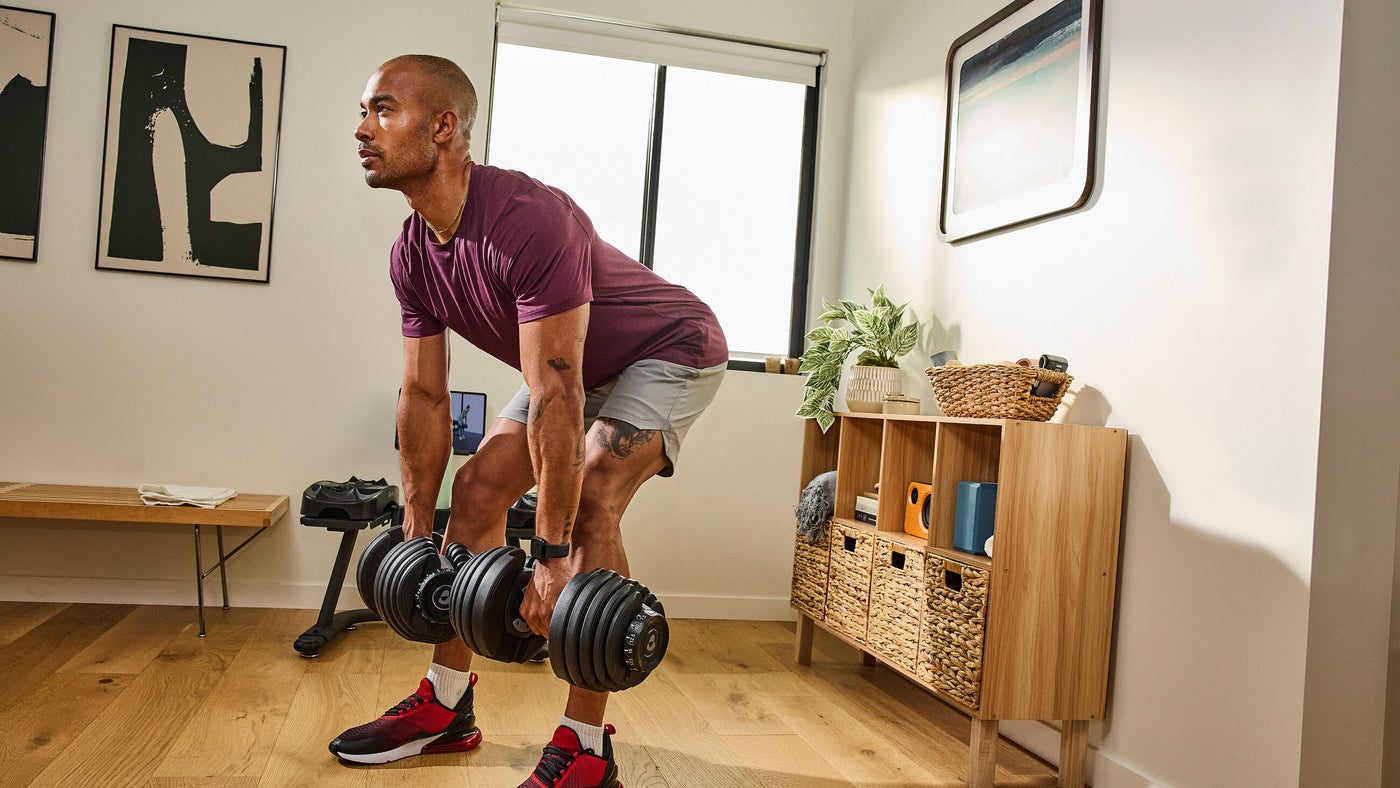
The SelectTech 552 adjusts from 5 to 52.5 lb per dumbbell across 15 settings, replacing a full dumbbell rack in a footprint smaller than a coffee table. BowFlex also makes the compact Max Trainer M6 for intense, low-impact cardio, and its JRNY app is optional rather than required.
Bells of Steel
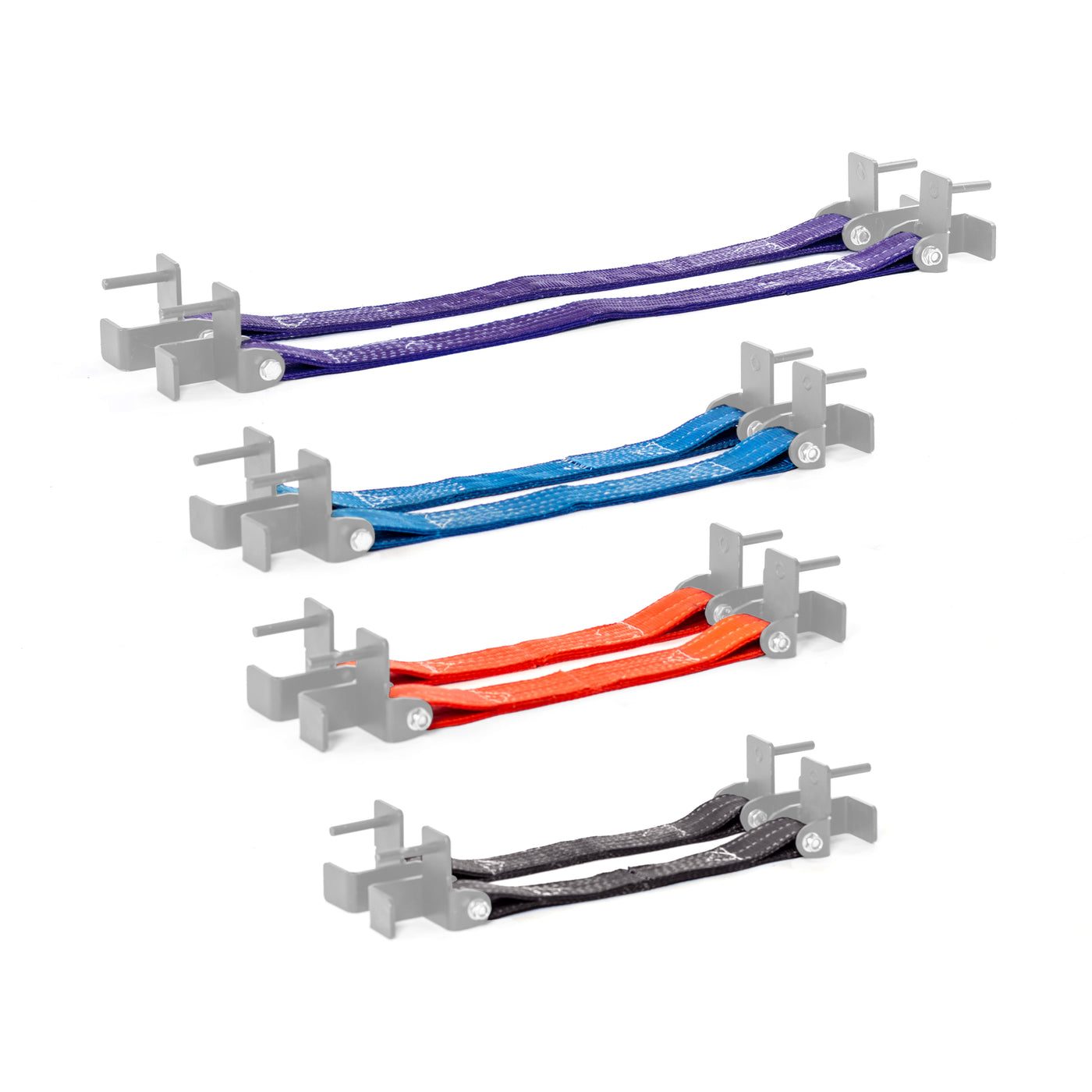
Founded by a lifter, Bells of Steel offers modular Hydra and Manticore racks on 3-inch uprights, cable towers, benches and kettlebells at prices below premium brands. Free shipping within the continental US and free 30-day returns take much of the risk out of ordering heavy gear online.
Major Fitness
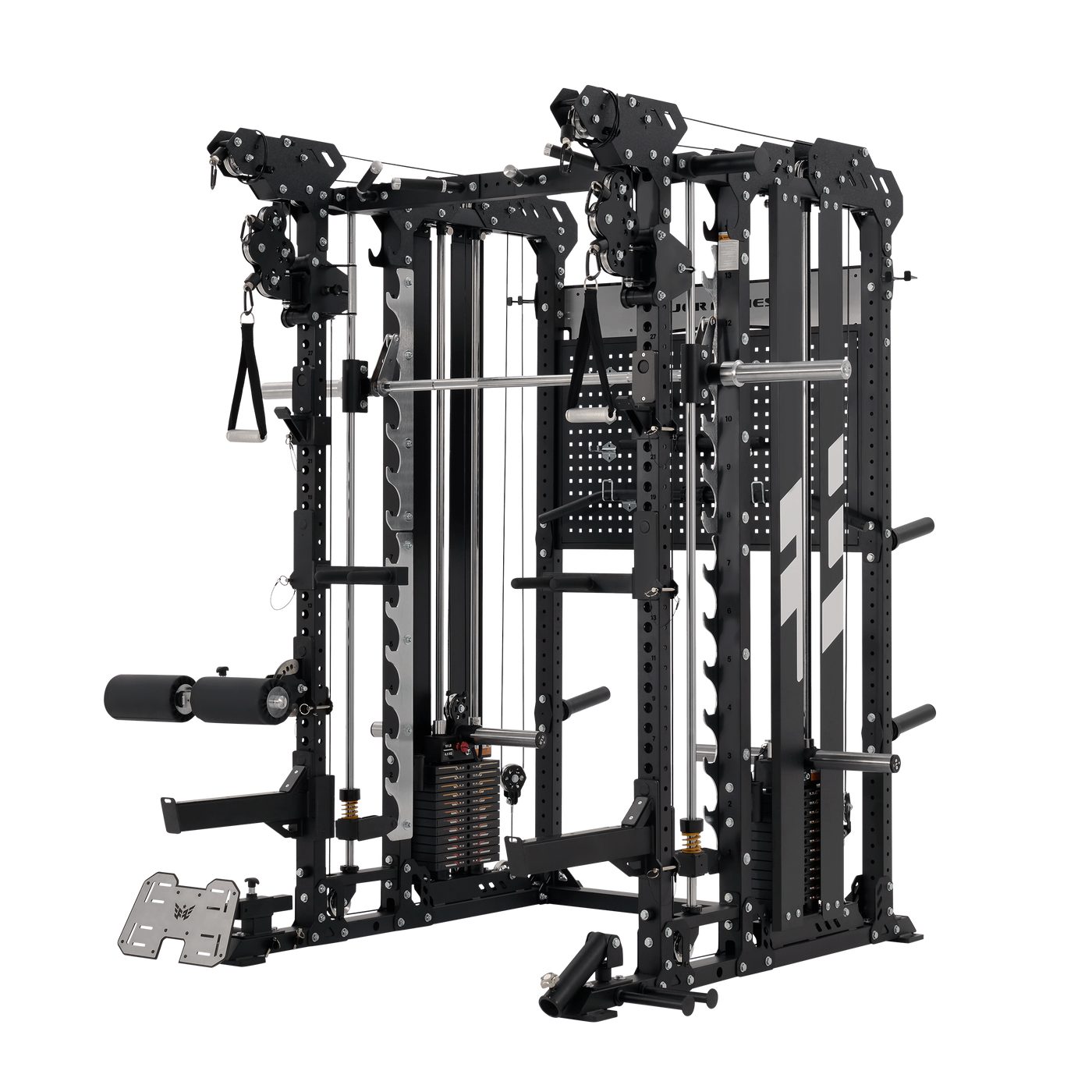
Major Fitness combines a power rack, Smith machine and cable system in single frames like the B52, listed from about $1,120 during our research. The wall-mounted F35 folding rack is a smart option for garages that still need to fit a car. Read the return and after-sales terms carefully before ordering.
Horizon Fitness
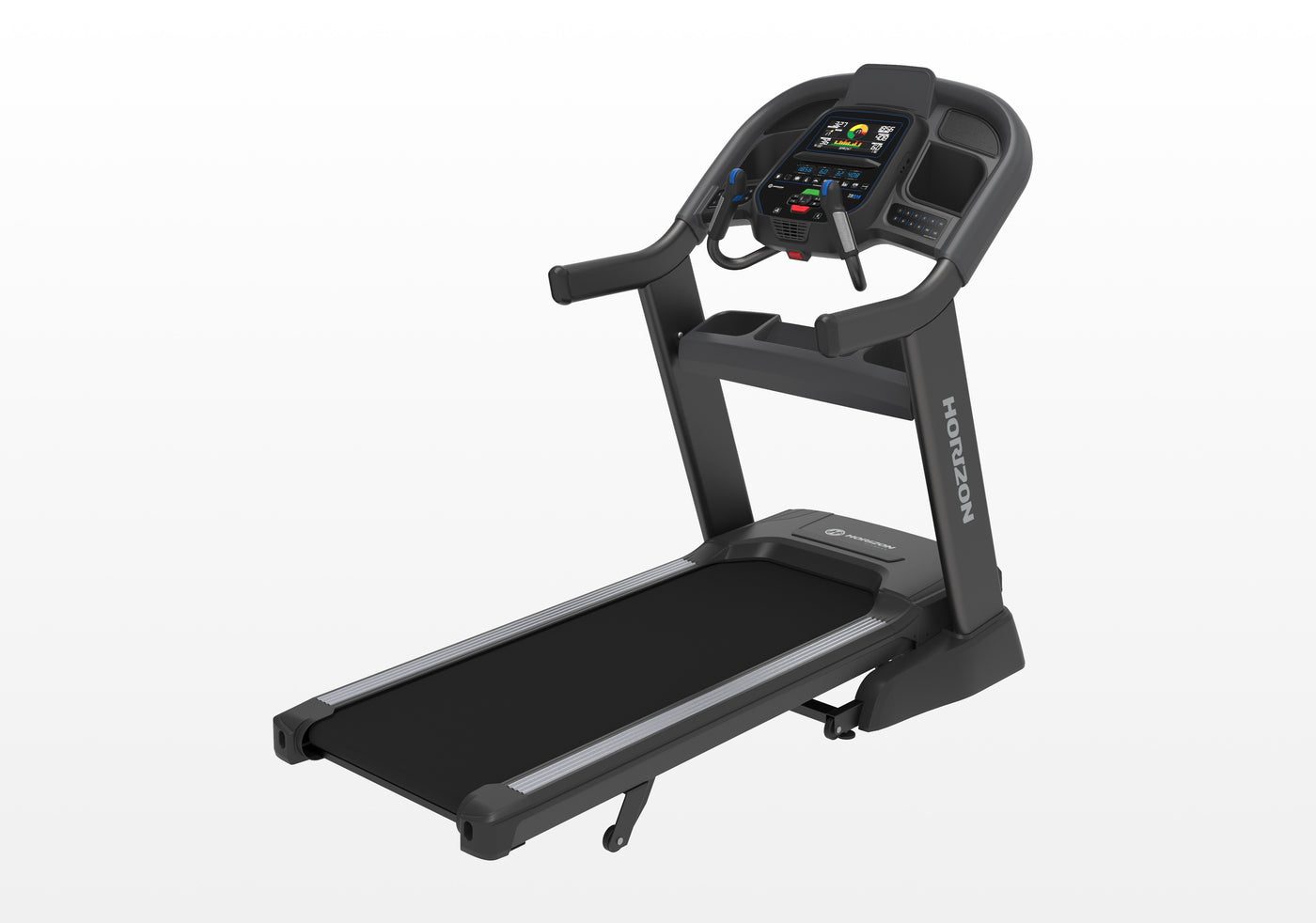
The Horizon 7.0 AT offers a 20 x 60-inch deck, 0 to 15% incline, a folding frame and a lifetime frame and motor warranty, often on sale for around $1,100. There is no mandatory subscription, and Bluetooth lets you use the training apps you already like.
Matrix Fitness
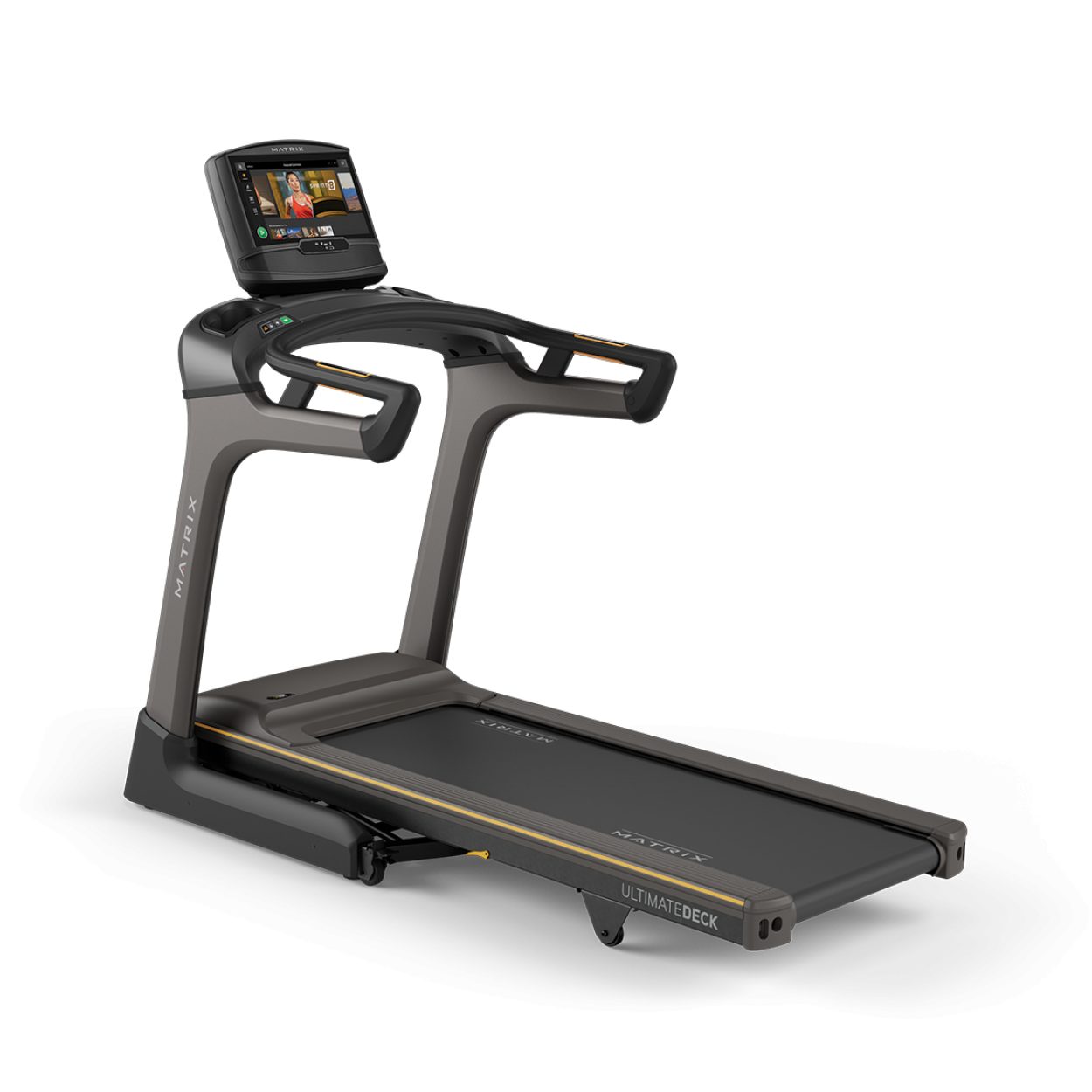
Matrix brings health-club engineering home, from the folding TF30 treadmill, rated for 350 lb users with a lifetime frame and motor warranty, to the distinctive A50 Ascent Trainer and C50 ClimbMill. You choose the console, from a simple LCD to a 16-inch touchscreen, so you only pay for the tech you want.
MERACH
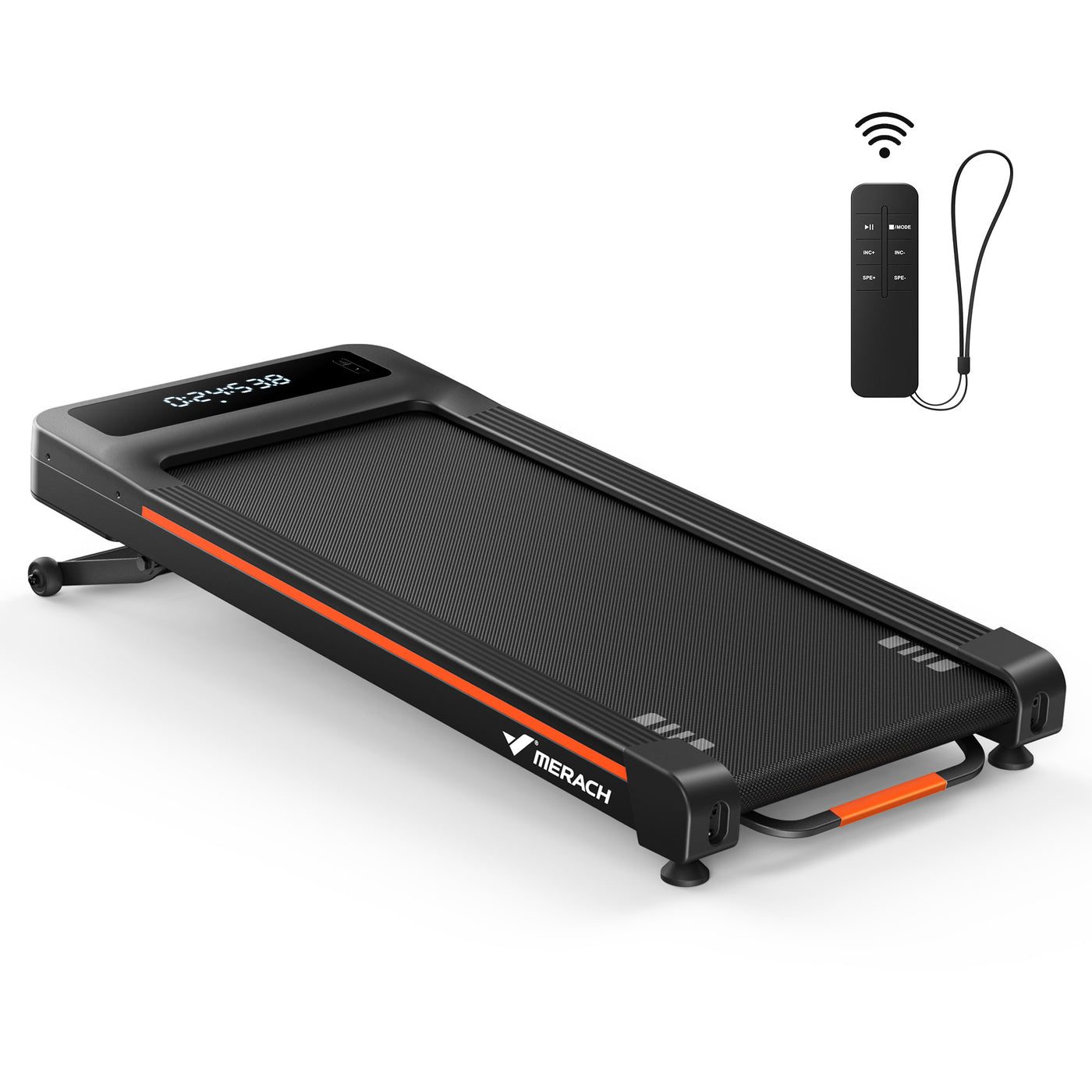
MERACH offers walking pads, folding treadmills, rowers and bikes mostly priced between about $230 and $600, with free shipping, 30-day returns and a two-year warranty on its US store. It is ideal for light to moderate use in small spaces, though not built for hard daily training.
YOUR Reformer
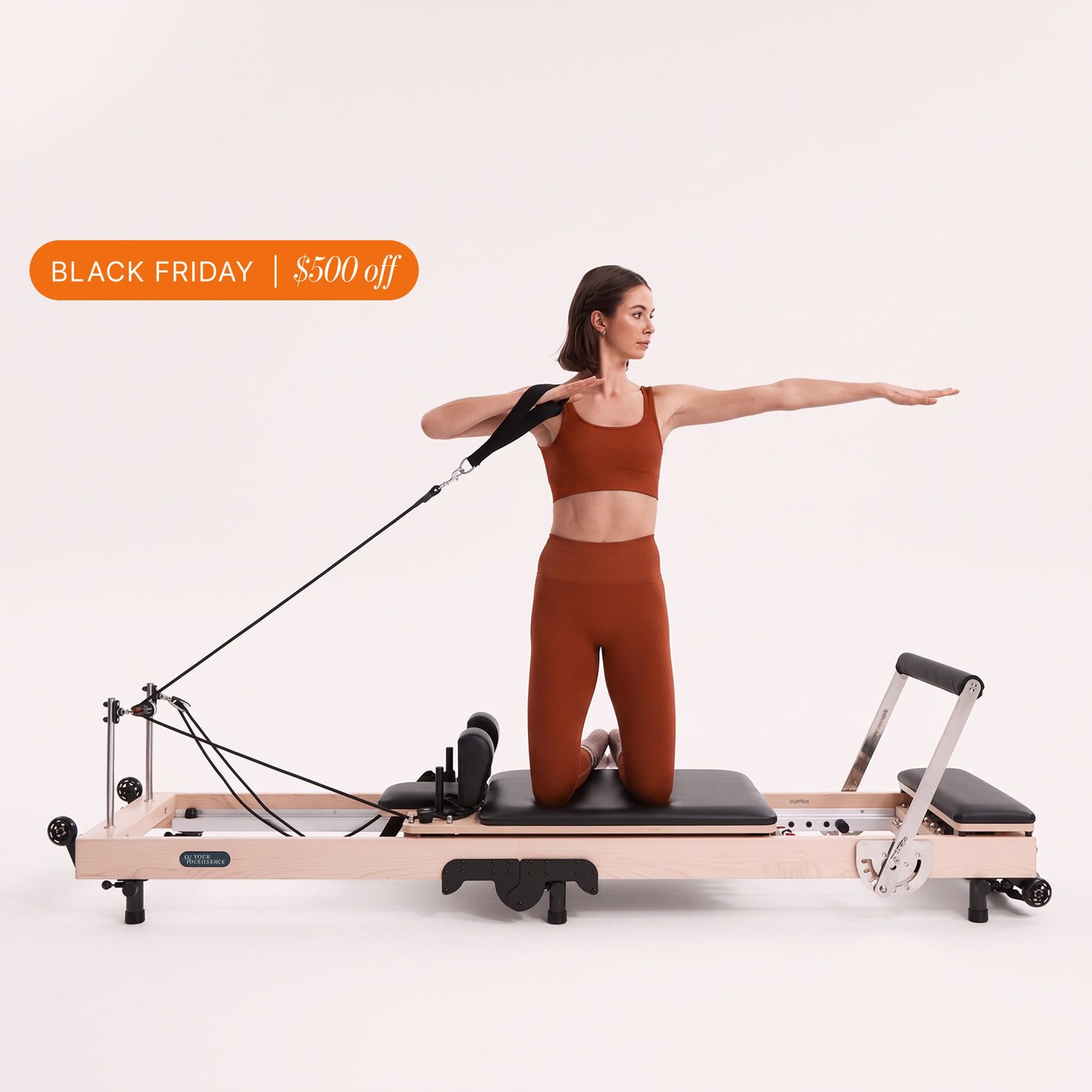
YOUR Reformer's machines use details found on studio equipment, including a maple frame and five German-made springs on The Original, and the folding model stores upright in a bookshelf-sized footprint. A library of 1,000+ on-demand classes helps you train without a studio.
Start with your goal and your space
The most common home gym mistake is buying equipment for the person you hope to become rather than the training you enjoy now. Before shopping, answer three questions:
- What will you do most weeks? Strength, running, cycling, Pilates or a mix. Your main activity deserves most of the budget.
- Where will it live? Measure floor area, ceiling height and doorways. Ceiling height matters for pull-ups, overhead presses, incline treadmills and climbers.
- Who will use it? Several users favor durable, adjustable equipment with higher weight ratings and easy changeovers.
If space is tight, prioritize equipment that folds, mounts on a wall or replaces several pieces at once: adjustable dumbbells, a folding rack, a wall-mounted smart trainer or a folding treadmill or reformer.
Choosing strength equipment
There are four main routes, and each suits a different person.
- Adjustable dumbbells plus a bench are the most flexible starting point. A set covering roughly 5 to 50 lb handles presses, rows, lunges and curls for most beginners and intermediate lifters, and a bench adds dozens of exercises.
- A power rack, barbell and plates are the gold standard for building strength with squats, presses and deadlifts. Look for standard upright sizes, safety arms and a weight rating well above what you lift. Bells of Steel and Titan Fitness are good places to compare.
- All-in-one machines combine a rack with a Smith machine and cables. They cover the most movements per square foot but take longer to assemble.
- Smart strength systems like Tonal use motors instead of plates and program your workouts. They are compact and guided, but come with ongoing membership costs.
Whichever you choose, buy the fundamentals first and add accessories, such as cable attachments, specialty bars or grips, once your routine is settled.
Choosing cardio equipment
Each cardio machine type has a different strength:
- Treadmills are the most versatile and the easiest to share. Runners should look for a deck around 20 x 60 inches and a solid motor; walkers can save with a smaller deck or a walking pad.
- Indoor bikes are quiet, compact and joint-friendly, and many work with third-party cycling apps. Recumbent bikes add back support for comfort or limited mobility.
- Rowers train the whole body in a small space. Magnetic models are quietest; water rowers feel most natural.
- Ellipticals, Ascent Trainers and climbers deliver low-impact intensity. Compact hybrids like the BowFlex Max Trainer are efficient for short sessions.
Consider subscriptions as part of the cost. Some machines lock key features behind a membership; others, like Horizon and many budget brands, let you use free or existing apps.
Budget, delivery and the fine print
Large equipment is expensive to ship and to send back, so policies matter as much as specs. Before you order, check:
- Total cost: hardware plus accessories, installation, delivery and any membership over at least a year.
- Delivery options: free shipping thresholds, white-glove assembly fees and whether service covers your address.
- Return window and deductions: many brands offer 30 days, but some deduct shipping and handling, and refurbished or sale items may be final.
- Warranty: frame and motor coverage is often long; parts and labor are usually much shorter. Extended plans can be worthwhile on motorized machines.
- Financing and HSA/FSA: several brands offer 0% APR promotions for qualifying buyers or HSA/FSA eligibility through partners.
List prices on fitness equipment are often inflated by frequent sales, so timing a purchase around a promotion can save hundreds of dollars.
Setting up safely
- Protect the floor with rubber tiles under lifting areas and equipment mats under cardio machines.
- Anchor what needs anchoring. Wall-mounted racks and smart trainers must be installed into suitable structure, following the manufacturer's instructions.
- Use safety features every time: safety arms on racks, the safety key on treadmills, and collars on barbells.
- Check electrical needs for treadmills, which may need a grounded, dedicated circuit.
- Keep children and pets away from moving belts, cables and stored weights.
If you are new to exercise, returning from injury, pregnant or managing a health condition, talk to your doctor before starting a new program and consider a few sessions with a qualified coach to learn good technique.
FAQs
What is the first piece of home gym equipment I should buy?
For most people, a set of adjustable dumbbells and an adjustable bench offer the most versatility for the space and money. If cardio is your main goal, start with the machine type you enjoy most, whether a treadmill, bike or rower.
How much does a good home gym cost?
A capable starter setup of adjustable dumbbells and a bench can cost roughly $600 to $1,000. A rack-based garage gym with a barbell and plates often starts around $1,200 for budget brands, while smart gyms and premium treadmills can exceed $4,000 before accessories and memberships.
Is a smart home gym worth it?
It can be for busy people who value guided programs and compact design, and who will train several times a week. Factor in the ongoing membership, which is often required for most features.
How much space do I need for a home gym?
A dumbbell-and-bench setup fits in a few square yards. A power rack typically needs a dedicated area with room to load plates and adequate ceiling height, and treadmills need clearance behind the deck. Always measure before ordering.
Should I buy a treadmill or an exercise bike?
Choose a treadmill if you walk or run and want the most versatile option; choose a bike if you want quieter, more joint-friendly cardio in a smaller footprint. Both work well with training apps.
Disclosure: InhouseHeal may earn a commission if you buy through links in this guide. Picks are based on our research of each brand's products, evidence, pricing and policies.