
Cold plunging has moved from elite locker rooms to backyards, garages and balconies. The choice is now enormous: inflatable ice baths you fill from a hose, budget tubs with plug-in chillers, sleek all-in-one plunges and handmade baths that freeze their own ice. Prices range from under $100 to five figures.
We compared the leading brands on temperature range, chiller power, filtration, build quality, warranty and value. Here are our picks for different budgets and goals, followed by buying advice and the safety basics every new plunger should know.
- Plunge — Best overall
- Renu Therapy — Best warranty and specs
- Morozko Forge — Best for the coldest water
- The Pod Company — Best budget ice bath
- Plunge Chill — Best budget chilled bundle
- Sun Home Saunas — Best for a sauna and plunge from one brand
- Redwood Outdoors — Best backyard Fire & Ice package
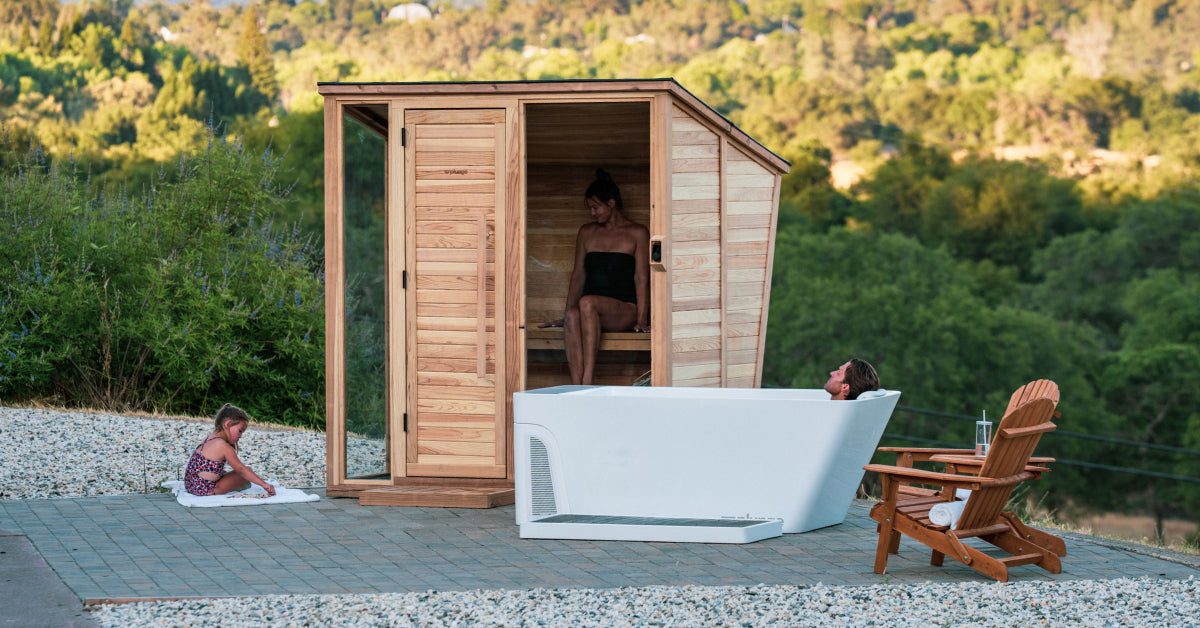
Plunge
Plunge's All-In combines tub and chiller in one plug-and-plunge unit with filtration, ozone and filter alerts, while the upright Pod suits smaller spaces. Free delivery on cold plunges and 0% APR financing for up to 24 months make the premium price easier to manage.
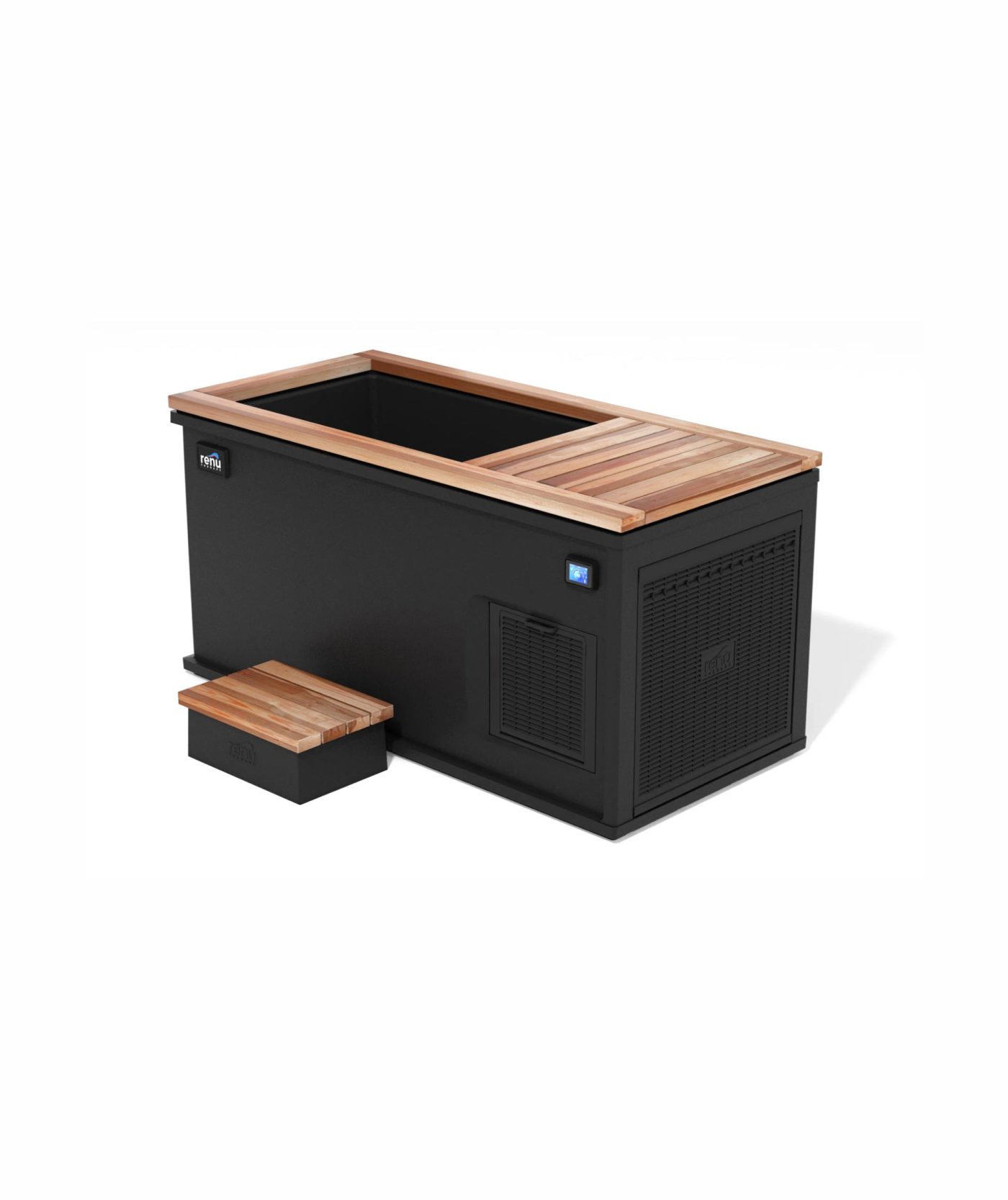
Renu Therapy
Renu publishes clear specs for every model, from the compact 129 lb Vero (37 to 100°F) to the lay-down Aurelius, and most plunges carry a five-year limited warranty. Several models heat as well as chill.

Morozko Forge
Morozko Forge's handmade Arizona baths make their own ice and hold true freezing temperatures, using microfiltration and ozone rather than chlorine. Prices start around $12,490, with factory seconds from about $6,990.
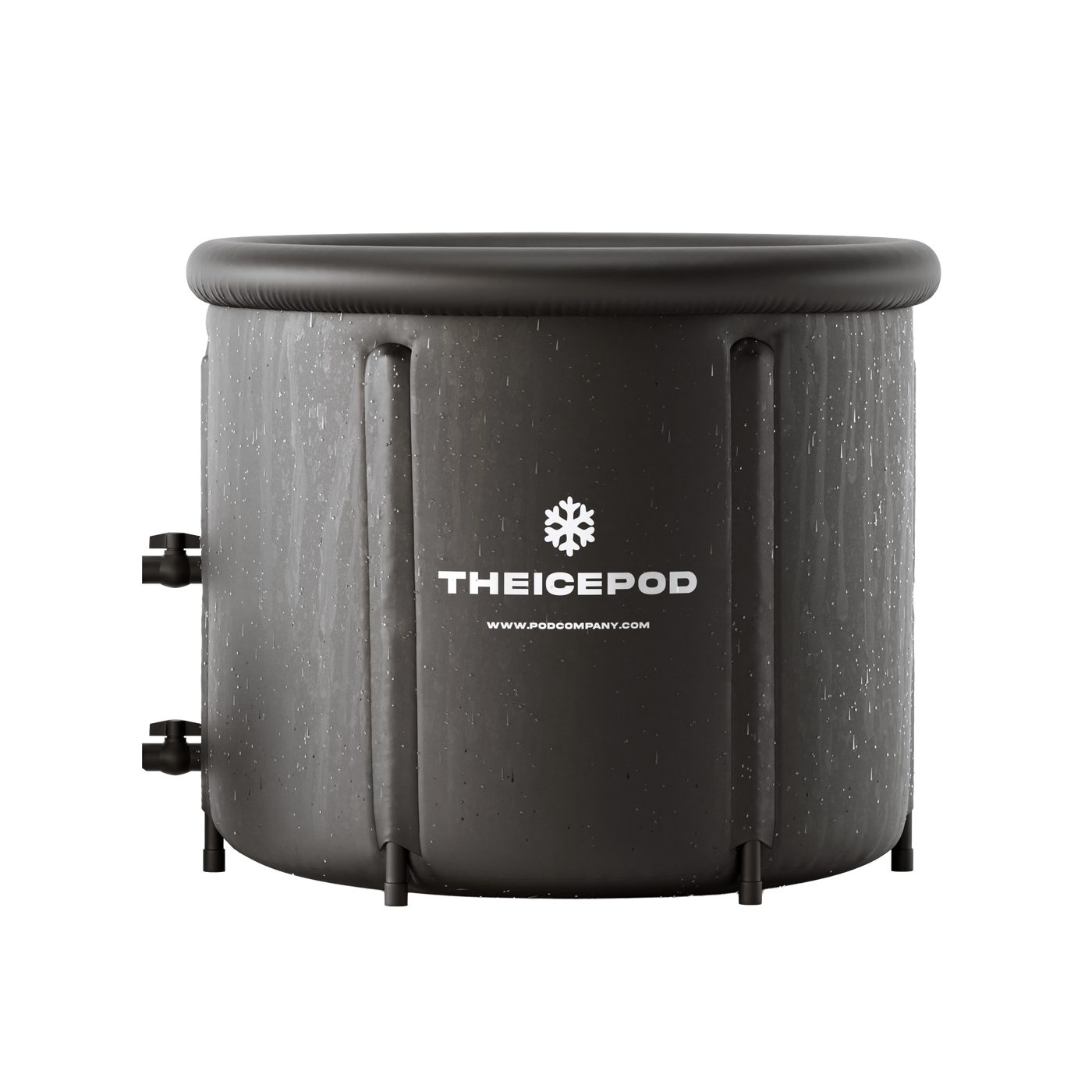
The Pod Company
The Ice Pod is light, packs flat and sets up in minutes, with a five-layer insulated wall and roughly 110-gallon capacity. Prices start around $99 on sale, and you can add a Pod Chiller later to hold water near 39°F.
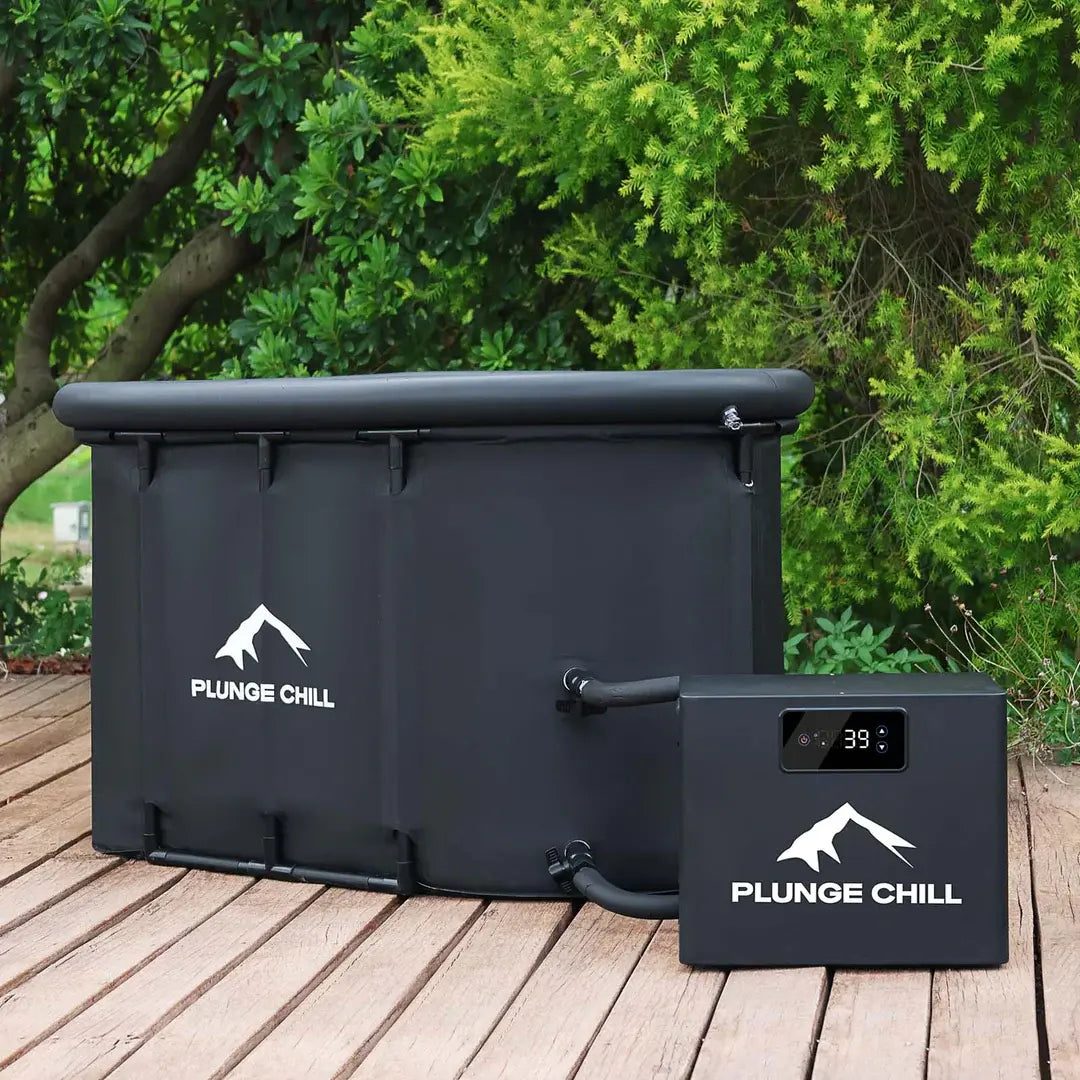
Plunge Chill
Plunge Chill pairs inflatable tubs with a UL-certified, quiet chiller that circulates and filters the water. The MAX bundle has been on sale around $659, with free shipping, 30-day returns and a two-year warranty.
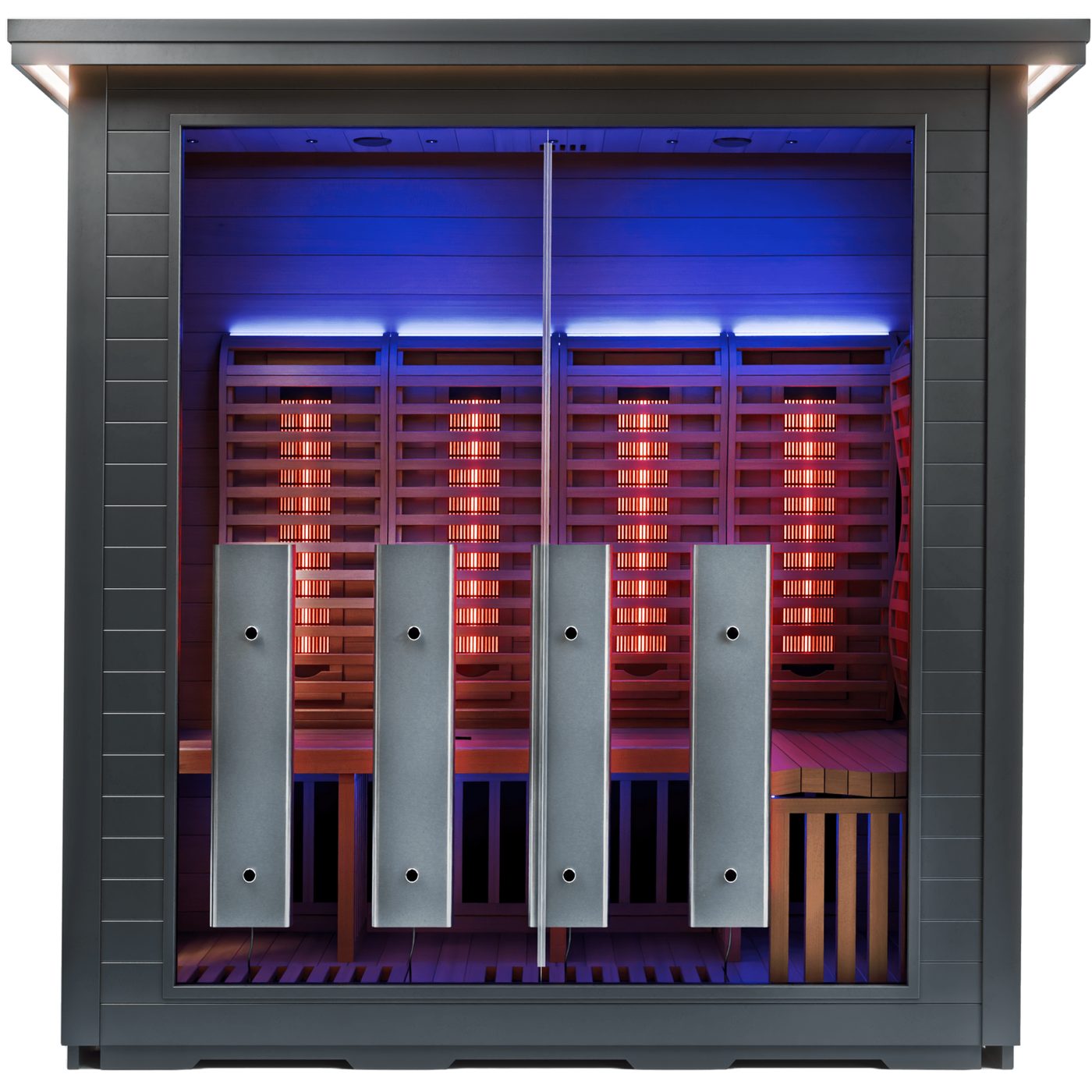
Sun Home Saunas
Sun Home's Pro Series plunges are rated by the brand down to 32°F and sit alongside its infrared and traditional saunas, so you can build a complete contrast setup with one delivery and one support team.
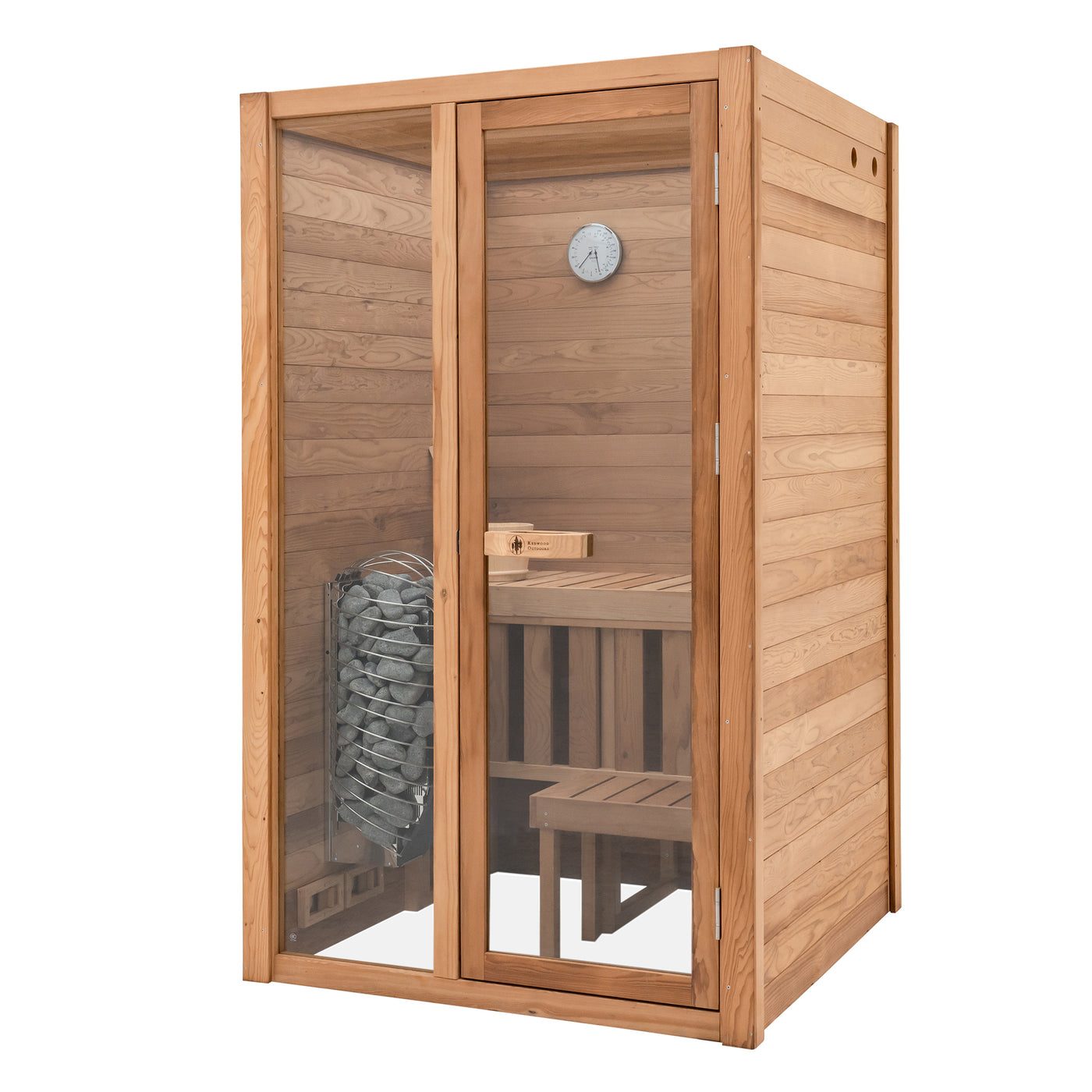
Redwood Outdoors
Redwood Outdoors bundles traditional saunas with cold plunges in its Alaskan and Denali Fire & Ice packages, with transparent pricing and Affirm financing.
Ice tub or chilled plunge?
Ice tubs such as inflatable pods are cheap, portable and easy to store. You fill them with cold water and add ice, typically 15 to 40 pounds per session depending on your tap water and the weather. They are ideal for trying cold plunging or for occasional use.
Chilled plunges connect to, or include, a chiller that holds a set temperature and usually filters the water. They cost more but remove the need for ice, which matters if you plunge most days. Budget chillers can be paired with inflatable tubs, while premium plunges integrate everything into a hard-shell tub with app or touchscreen control.
A sensible path for many people is to start with an insulated ice tub, then add a chiller or upgrade once the habit sticks.
Specs that actually matter
- Temperature range: most chillers reach the high 30s to low 40s °F. Some models also heat, so the tub doubles as a warm soak.
- Chiller power: higher horsepower helps in hot climates, direct sun or larger tubs.
- Filtration and sanitation: look for a proper filter plus ozone or another sanitation method, and easy filter access.
- Size and format: upright tubs save floor space; lay-down tubs let taller users stretch out.
- Weight: filled tubs are very heavy, so check floors, decks and balconies.
- Warranty: terms range from one to five years, which can be worth more than a small price difference.
Placement, running costs and upkeep
Put your plunge somewhere shaded, level and close to a suitable outlet and a drain. Sun and heat make the chiller work harder, so an insulated lid and shade cut running costs noticeably. Budget chillers report daily running costs of well under a dollar in typical conditions, but costs vary with climate and electricity prices.
Plan for ongoing care: rinse off before plunging, clean or replace filters regularly, use sanitizer as directed and change the water periodically. A few minutes a week keeps water clear and equipment running longer.
What you get at each price point
- Under $200: insulated inflatable ice baths. You supply the ice, drain and refill by hand and store them away easily. Great for testing the habit.
- About $500 to $1,500: chiller-and-tub bundles or standalone chillers. Water stays cold without ice and is circulated through a filter, but tubs are usually inflatable.
- About $5,000 to $15,000: premium hard-shell plunges with integrated chillers, ozone sanitation, app or touchscreen control and, on some models, heating. Expect free freight delivery, financing and longer warranties.
- Above $15,000: commercial-grade and specialty baths, including handmade ice-making designs for the coldest possible water.
Most people do not need the top tier. Match your budget to how often you will realistically plunge, and remember that a warranty and good support can be worth more than an extra degree of cold.
Cold plunging safely
- Get medical advice first if you have heart disease, high blood pressure, Raynaud's or are pregnant.
- Start moderate. Water around 50 to 60°F for a minute or two is plenty at first; many brands suggest building toward the 40 to 50°F range.
- Control your breathing. Enter slowly and focus on long exhales to manage the gasp reflex.
- Never plunge alone or after alcohol, and get out if you feel numb, dizzy or confused.
- Warm up gradually with movement and dry clothes.
FAQs
How cold should a cold plunge be?
Beginners often start around 50 to 60°F. Many people build toward 40 to 50°F over time. Colder is not necessarily better, especially when you are new.
How long should I stay in a cold plunge?
Start with one to two minutes and build up gradually. Many guides suggest a few minutes per session is enough.
Do I need a chiller?
Not to start. A chiller saves buying ice and keeps a steady temperature, which is worth it if you plunge most days.
How often should I change cold plunge water?
It depends on filtration, sanitation and how often you use it. Filtered, sanitized tubs need changes far less often than plain ice baths. Follow the manufacturer's guidance.
Can I put a cold plunge outdoors?
Yes, most are designed for indoor or outdoor use. Choose a shaded, level spot, use a cover and protect the chiller from the elements.
Disclosure: InhouseHeal may earn a commission if you buy through links in this guide. Picks are based on our research of each brand's products, evidence, pricing and policies.